Bihar MLC Election: Lalan Singh's Absence From Neeraj Kumar's Campaign List Draws Attention
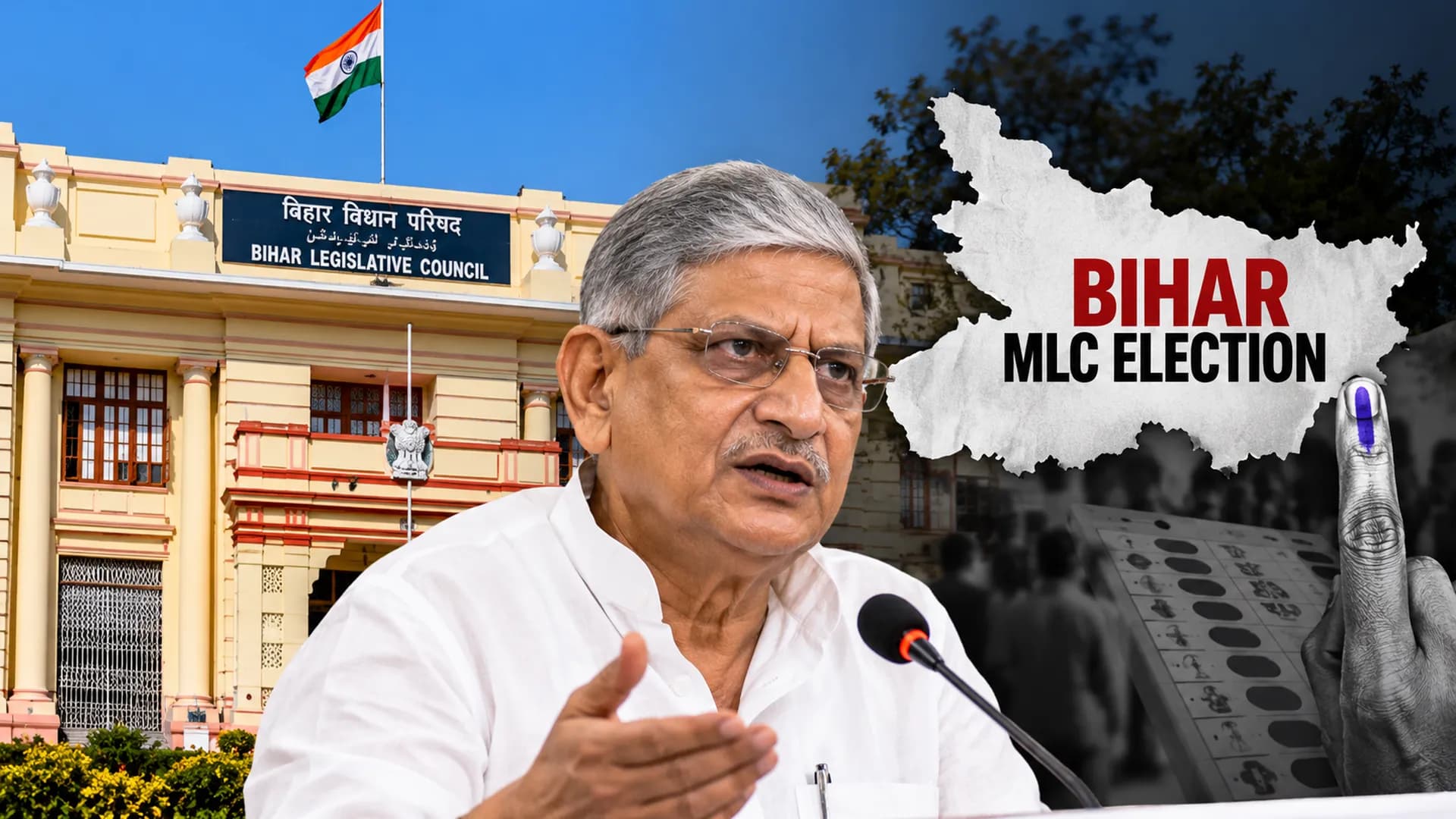
The campaign for Bihar's upcoming Legislative Council elections has drawn attention to the organisation of the Janata Dal (United)'s campaign, following reports that senior leader Lalan Singh was not included in the campaigner list associated with candidate Neeraj Kumar.
The reported omission has prompted questions because it comes at a time when the Patna Graduates' constituency is already in the spotlight over disagreements involving Neeraj Kumar and JD(U) MLA Anant Singh.
However, the omission itself does not establish the reason behind the decision. Unless the party or the candidate provides a clear explanation, it would be premature to describe the change as a disciplinary measure or to attribute it definitively to the dispute.
The Campaign List and Its Significance
Campaigner lists identify leaders who are expected to help promote a candidate or participate in election-related outreach. Depending on the election and applicable rules, the list may include senior party figures, elected representatives and local organisers.
The absence of a prominent leader can attract media attention, particularly when political disagreements have already become public. But the meaning of an omission depends on the circumstances.
A leader may be absent from a list for several reasons, including campaign planning, scheduling, organisational decisions or changes in strategy. Without a direct explanation, none of these possibilities should be presented as established fact.
In this case, the reported absence of Lalan Singh has been discussed in the context of the wider JD(U) disagreement over the Patna Graduates' seat.
The Wider Dispute Within JD(U)
Neeraj Kumar is the official JD(U) candidate for the Patna Graduates' constituency. Anant Singh, a JD(U) MLA from Mokama, has publicly supported Jan Suraaj candidate Anuj Singh.
The disagreement has created an unusual political situation in which a party's nominated candidate is facing a challenge from a rival who has the public backing of a sitting legislator belonging to the same party.
The issue has attracted attention because parties generally seek coordinated support from their elected representatives during elections. Public disagreement can raise questions about campaign unity, local relationships and the effectiveness of internal negotiations.
Nevertheless, one leader's support for another candidate does not prove that the entire party organisation is divided. The views of individual legislators, local party workers and voters may differ.
Why Lalan Singh's Reported Absence Is Being Discussed
The reported omission has been interpreted in some coverage as potentially connected to the Anant Singh–Neeraj Kumar dispute.
That interpretation should remain attributed to the reporting rather than presented as an official explanation. The key distinction is between the factual claim that a name was reportedly absent and the inference that the absence resulted from a particular political disagreement.
A responsible report should establish the exact version of the list, when it was issued, who approved it and whether the candidate or party later clarified the matter.
If the list was subsequently revised, the latest version should be used. If the candidate has explained that the list was prepared by the party office, that explanation should also be included and clearly attributed.
The Importance of Internal Coordination
Election campaigns depend on more than the nomination of a candidate. They require coordination between party leadership, local representatives, campaigners and supporters.
When a public disagreement emerges, the campaign may need to clarify who is responsible for outreach and how the party intends to communicate its official position.
The effect of any organisational difficulty cannot be measured from a campaigner list alone. Evidence about campaign activity, public meetings, official statements and local support would be needed to assess whether the issue has materially affected the contest.
For the same reason, it would be inaccurate to predict the election outcome based solely on the reported absence of one senior leader.
What Should Be Checked Next?
Several questions remain relevant for the newsroom.
First, the precise campaigner list should be located and its publication date confirmed. Second, the candidate's or party's explanation should be obtained, if available. Third, any later revision to the list should be checked.
The newsroom should also distinguish the official candidate list from informal campaign arrangements. A person not appearing on a particular list is not necessarily barred from campaigning or unable to support a candidate in other ways.
These distinctions are essential when reporting on internal political disagreements.
What It Means for the Election
The reported omission adds another element to the political discussion surrounding the Patna Graduates' contest. It may attract attention because of the existing disagreement involving Neeraj Kumar and Anant Singh.
However, the available reporting does not establish that the omission will change voter behaviour or determine the result. The election will depend on the choices of eligible voters and the campaign activity of the candidates.
Until the party provides a clear explanation, the most accurate account is that Lalan Singh's reported absence from the list has drawn attention amid an already public dispute.
Related Keywords
Join the discussion