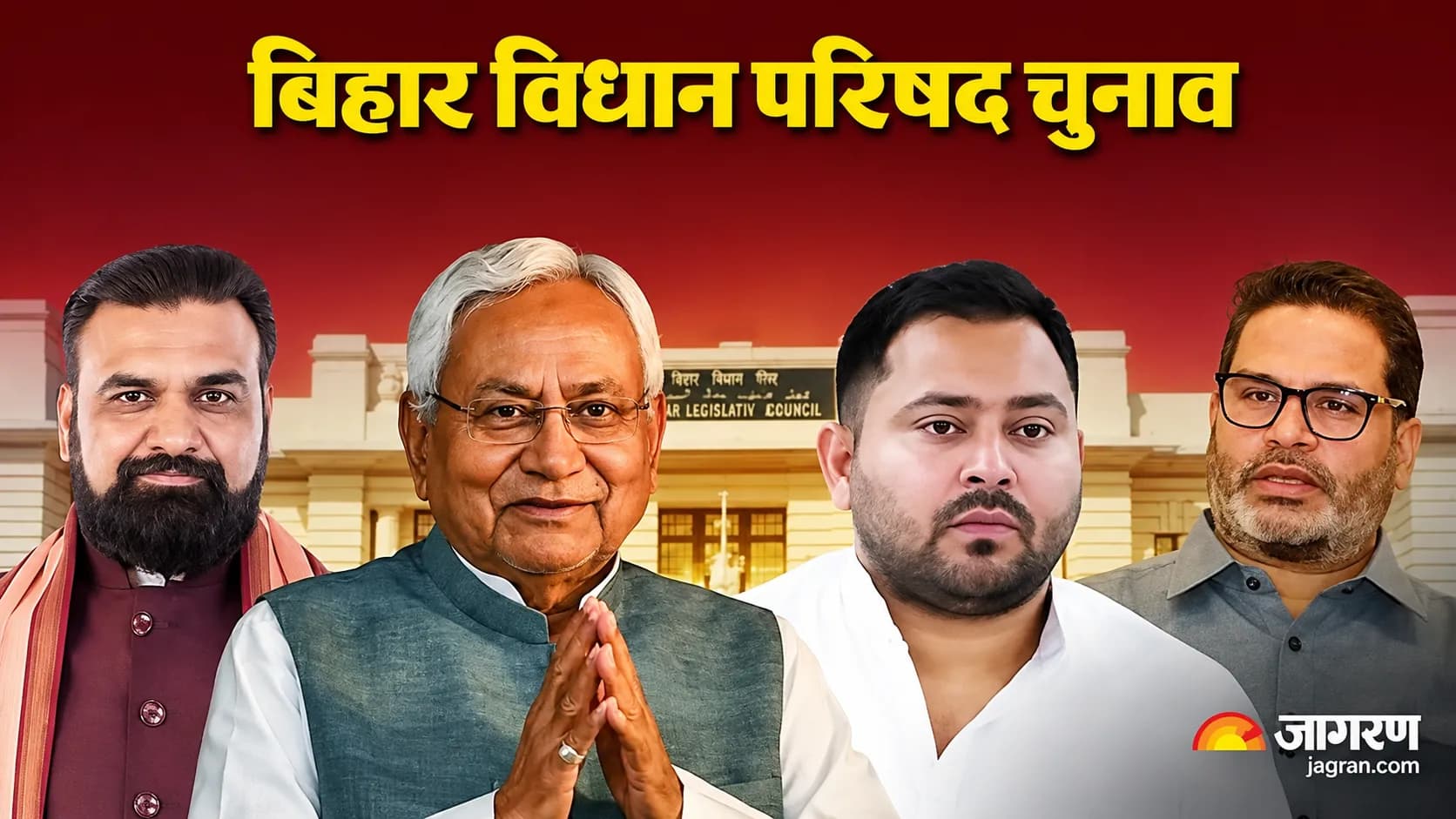
Bihar MLC Elections 2026: 150 Candidates Remain in Contest Across Eight Seats
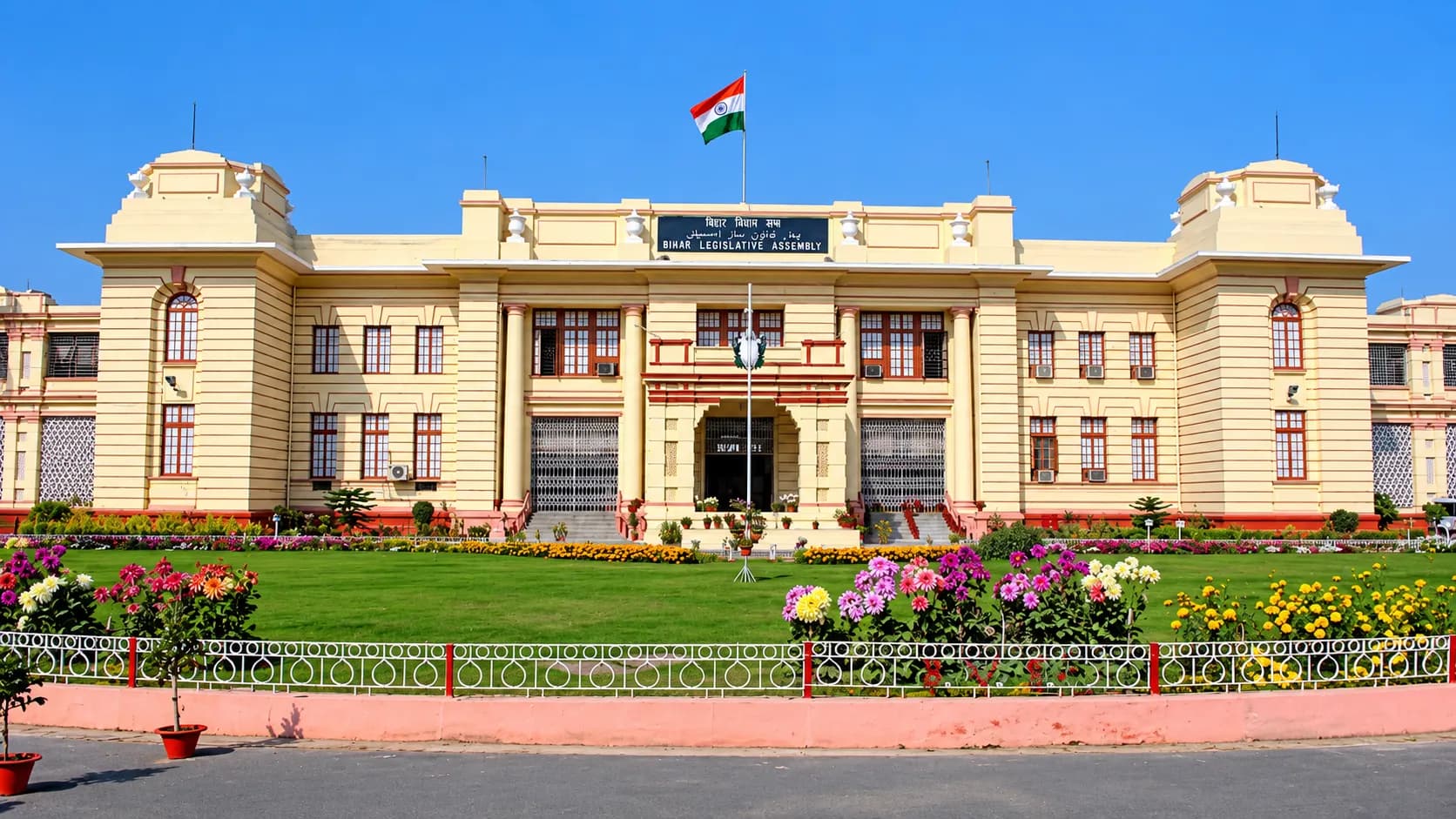
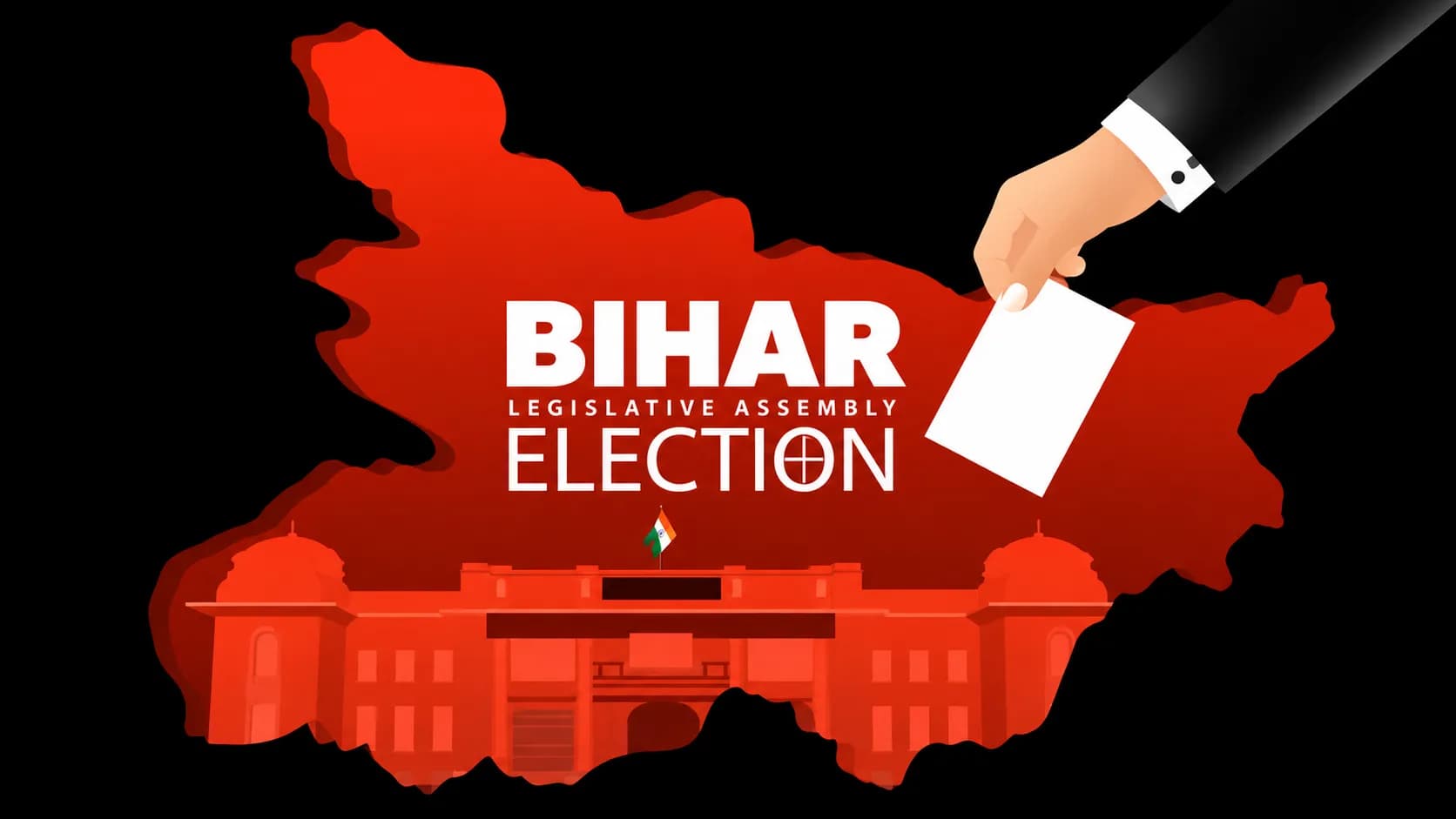
The upcoming Bihar Legislative Council elections have entered the campaign stage, with 150 candidates reportedly remaining in the contest for eight seats after the nomination process and subsequent withdrawals.
The election covers four graduates' constituencies and four teachers' constituencies. The large candidate field makes the contest important for political parties seeking to strengthen their representation in the state legislature's upper house.
The election schedule announced in September places polling on 23 October 2026, followed by counting and the declaration of results on 27 October 2026. The process involves constituencies representing graduates and teachers, rather than a general election in which every adult voter participates.
The candidate count and schedule should be understood separately: the number of candidates reflects the nominations that remain in the field, while the election dates determine the timetable for campaigning, voting and counting.
Eight Constituencies Across Two Categories
The eight seats comprise four graduates' constituencies—Patna, Darbhanga, Tirhut and Kosi—and four teachers' constituencies—Patna, Darbhanga, Tirhut and Saran.
These constituencies are distinct electoral units with their own candidates and eligible electorates. The graduates' and teachers' categories also mean that the election is not conducted on the same voter basis as an ordinary Assembly constituency.
The contest therefore requires candidates to communicate with eligible voters within their respective constituencies. Political parties and candidates may rely on local networks, professional associations, campaign meetings and direct outreach to explain their positions.
The final outcome will depend on votes cast by eligible electors, not on the number of candidates alone.
How the Candidate Count Was Reported
The available reporting states that 164 candidates initially filed nominations for the eight seats. Following scrutiny, 12 nominations were rejected, while two candidates withdrew.
The arithmetic produces a final figure of 150 candidates:
164 initial nominations, minus 12 rejected nominations, minus two withdrawals, equals 150 remaining candidates.
This calculation is consistent with the figures reported by Hindi-language news outlets covering the nomination process.
The candidate count is an important administrative indicator, but it does not independently establish the strength of any party. Candidates may be affiliated with political parties, supported by political organisations or contesting independently. Their electoral prospects depend on constituency-specific factors.
Before publication, the final candidate list should be checked against the relevant election authority's records. Where an official constituency-wise list is available, it should take precedence over secondary summaries.
Why the Election Matters to Bihar's Political Parties
The Legislative Council election gives political parties an opportunity to compete for representation in a different electoral setting from the Assembly election.
Graduates' and teachers' constituencies have defined electorates, so candidates must focus their outreach on the voters eligible to participate. Issues relevant to education, employment, professional interests, public administration and governance may form part of campaign discussions, depending on the candidates' stated priorities.
The election also offers parties a chance to assess their organisational reach among these electorates. However, the results should not automatically be treated as a direct forecast of the next Assembly election because the voter base, electoral system and campaign issues differ.
For the same reason, the number of candidates contesting each seat should not be treated as evidence that a particular party is favoured to win.
Candidate Withdrawals and the Final Field
The nomination and withdrawal stages determine which candidates remain eligible to contest. The reported withdrawal of two candidates helped reduce the field after scrutiny.
Such changes can affect the structure of a constituency's contest, particularly when candidates have local support or political associations. However, the withdrawal of a candidate does not automatically mean that their supporters will transfer their votes to another candidate.
Any claim about an agreement between candidates, a transfer of support or a change in a party's electoral prospects should be supported by direct statements or reliable reporting.
The final candidate list is therefore more useful than early nomination totals when assessing the contest. It identifies the candidates who remain in the race, although it cannot predict how voters will respond on polling day.
The Polling and Counting Schedule
According to the published election schedule, polling is due on 23 October 2026, with counting and results scheduled for 27 October 2026. The election process is scheduled to conclude by 31 October.
These dates provide the framework for the final campaign period. Candidates and parties must complete their outreach before polling, while voters should rely on official election information for details relevant to their constituencies.
The schedule should be checked for any later official revision before publication or republication. Election dates are administrative facts and should not be altered based on speculation or an undated social media post.
What the Candidate Numbers Do—and Do Not—Tell Us
The reported figure of 150 candidates indicates a crowded contest across the eight seats. It does not reveal how votes will be distributed, which candidates have the strongest support or whether the final results will favour the ruling alliance or the opposition.
A reliable assessment requires constituency-wise candidate details, verified party affiliations and the final results after counting.
For now, the central development is the completion of the nomination and withdrawal stages, leaving the candidates to compete ahead of the scheduled polling date. The results on 27 October are expected to provide the definitive picture of representation across the eight constituencies.
Related Keywords
Join the discussion