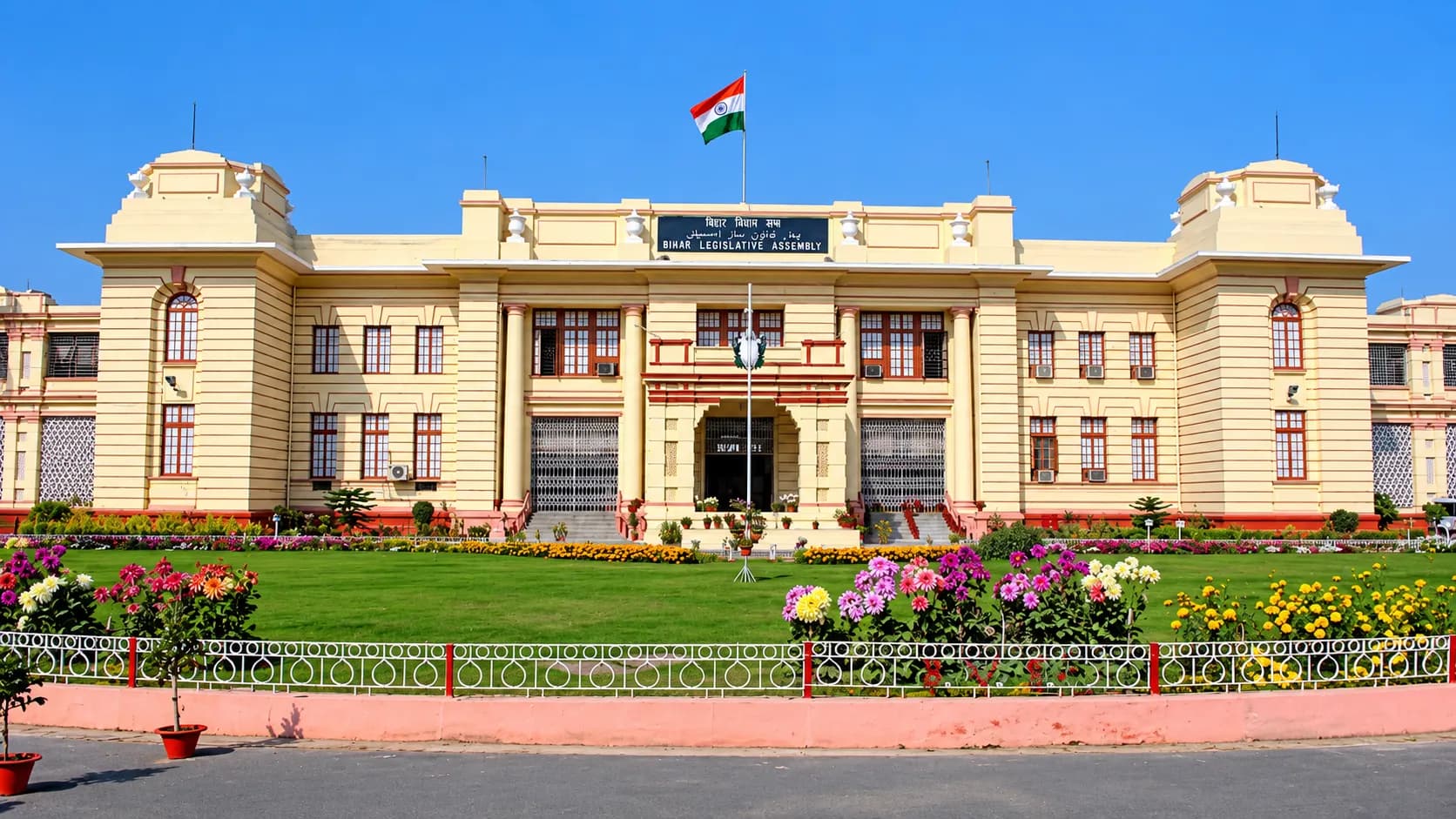
Bihar Cabinet Approves 24 Proposals, Including Patna Tech Park and Darbhanga Logistics Hub

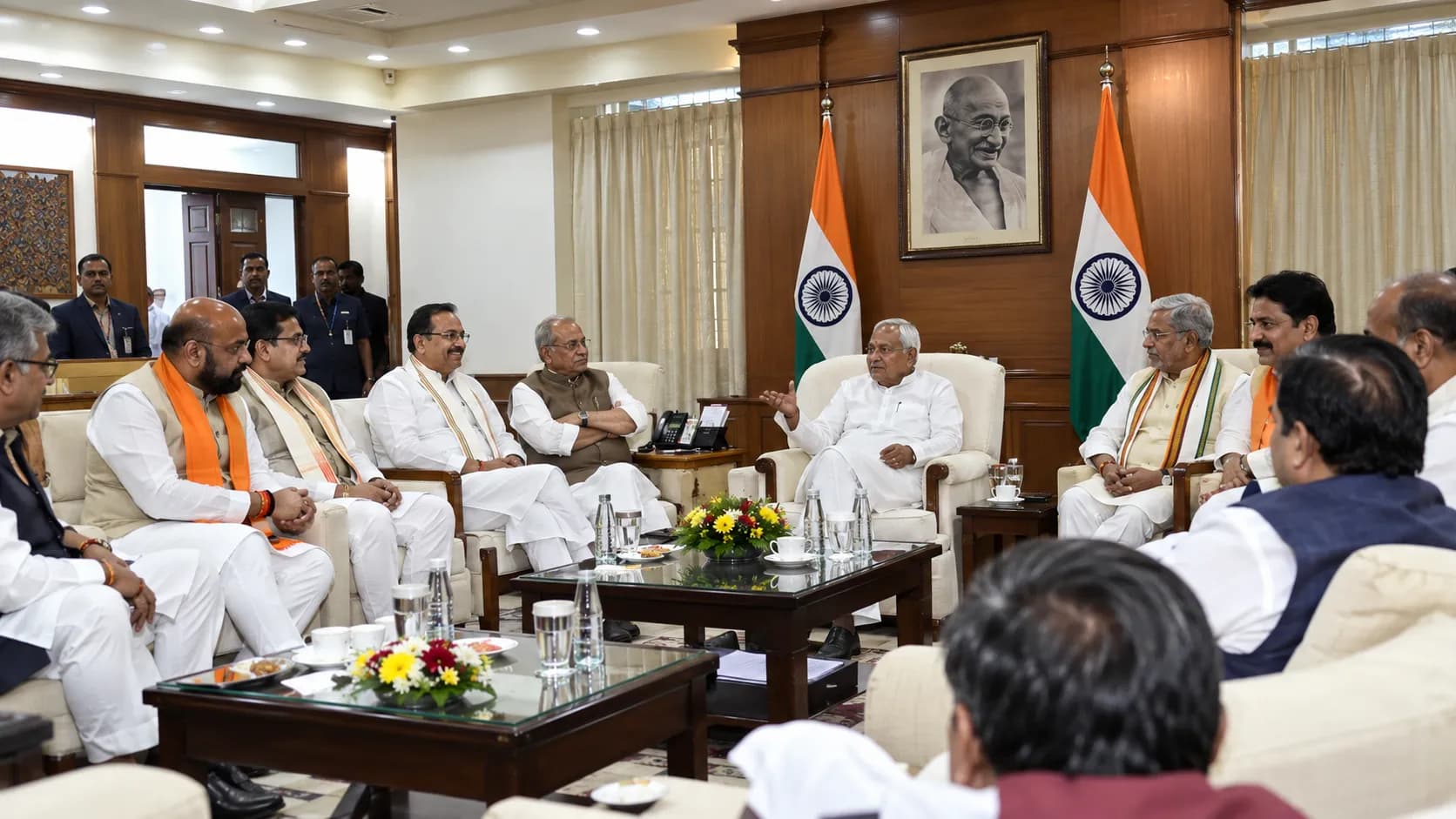
The Bihar Cabinet approved 24 proposals at a meeting chaired by Chief Minister Samrat Choudhary on 12 October 2026, according to reports published after the meeting.
The reported decisions included a proposed technology park in Patna, a logistics and cargo hub near Darbhanga airport, and a five-star resort proposal in Vaishali. The meeting also covered rural road maintenance and other administrative matters.
The announcements are significant because they span urban infrastructure, logistics, tourism and rural connectivity. However, Cabinet approval should not be confused with the completion of a project. The implementation of each proposal will depend on the applicable administrative process, funding arrangements, departmental responsibilities and subsequent execution.
Patna Technology Park Proposal
One of the reported decisions concerned the construction of a technology park in Gardanibagh, Patna.
A technology park can be intended to support technology-related activity, but the practical benefits of a specific project depend on its design, funding, infrastructure and ability to attract businesses or investment.
The announcement therefore represents a policy and infrastructure proposal rather than evidence that a completed facility is already operating.
Further details—including the proposed cost, project timeline, land arrangements, development agency and intended facilities—should be confirmed from the relevant Cabinet decision or departmental notification before being included in a more detailed report.
Those details are important for readers seeking to understand whether the proposal is at an initial approval stage or has progressed to implementation.
Proposed Logistics and Cargo Hub in Darbhanga
The Cabinet reportedly approved a proposal for a logistics park and cargo hub near Darbhanga airport.
Logistics infrastructure can support the movement, storage and distribution of goods. A cargo hub may also create opportunities for businesses that depend on transport connections, depending on the facilities provided and the demand for cargo services.
However, the project's actual economic impact cannot be determined from the announcement alone. Its usefulness will depend on connectivity, operating arrangements, investment, demand and the coordination of relevant agencies.
Before publishing estimates about jobs, investment or future cargo volumes, the newsroom should seek official figures from the responsible department. Without such evidence, those outcomes should be presented as possible objectives rather than guaranteed benefits.
Five-Star Resort Proposal in Vaishali
Another proposal reportedly approved at the meeting concerned a five-star resort in Vaishali.
Tourism infrastructure can contribute to a local economy by supporting accommodation, transport, hospitality and related services. The scale of any such impact depends on the project's location, financing, accessibility and eventual operating model.
The reported Cabinet decision establishes that the proposal was approved, but further details are needed to determine how the project will be developed.
The newsroom should avoid presenting the resort as completed or operational unless there is evidence that construction and commissioning have taken place.
Rural Road Maintenance
The reported decisions also included a rural road repair and maintenance programme.
Road maintenance is important for village connectivity, transport access and the movement of goods and people. The effectiveness of a maintenance programme depends on the roads covered, the funding available, the frequency of inspections and the process used to monitor repairs.
A programme's approval is only one stage in the process. Its public value should ultimately be assessed through implementation, road conditions and the delivery of maintenance work.
Specific claims about the number of roads covered, total expenditure or implementation deadlines should be included only when supported by an official document.
Chief Minister's Media Briefing
The meeting also attracted attention because Samrat Choudhary personally briefed the media on the Cabinet decisions, according to reports.
Such a briefing gives the public and news organisations an opportunity to hear the government's explanation of its decisions directly from the Chief Minister. It can also make it easier to identify the priorities the government wants to communicate.
Nevertheless, a press briefing is not a substitute for the underlying Cabinet documents. The precise wording of a decision, its conditions and its implementation requirements should be established through the official record wherever possible.
What Happens After Cabinet Approval?
Cabinet approval generally establishes the government's decision on a proposal, but implementation can require further steps.
These may include departmental orders, budgetary approvals, project planning, procurement, allocation of responsibilities and monitoring arrangements, depending on the nature of the proposal.
For the technology park, logistics hub and resort, the next meaningful developments will be the publication of detailed project information and evidence of implementation.
For road maintenance, readers will need information about the areas covered and how work will be monitored.
Why the Decisions Matter
The reported approvals cover several areas of governance rather than a single policy sector. They indicate an agenda that includes technology-related infrastructure, logistics, tourism and rural roads.
The next stage is to determine how the proposals translate into projects and services. That assessment requires detailed official records, timelines and implementation updates.
For now, the confirmed editorial focus is the Cabinet meeting and the proposals reported as approved. Their long-term impact should be assessed only as further details become available.
Join the discussion