
Bihar Right to Public Services Act: How Citizens Can Seek Timely Government Services
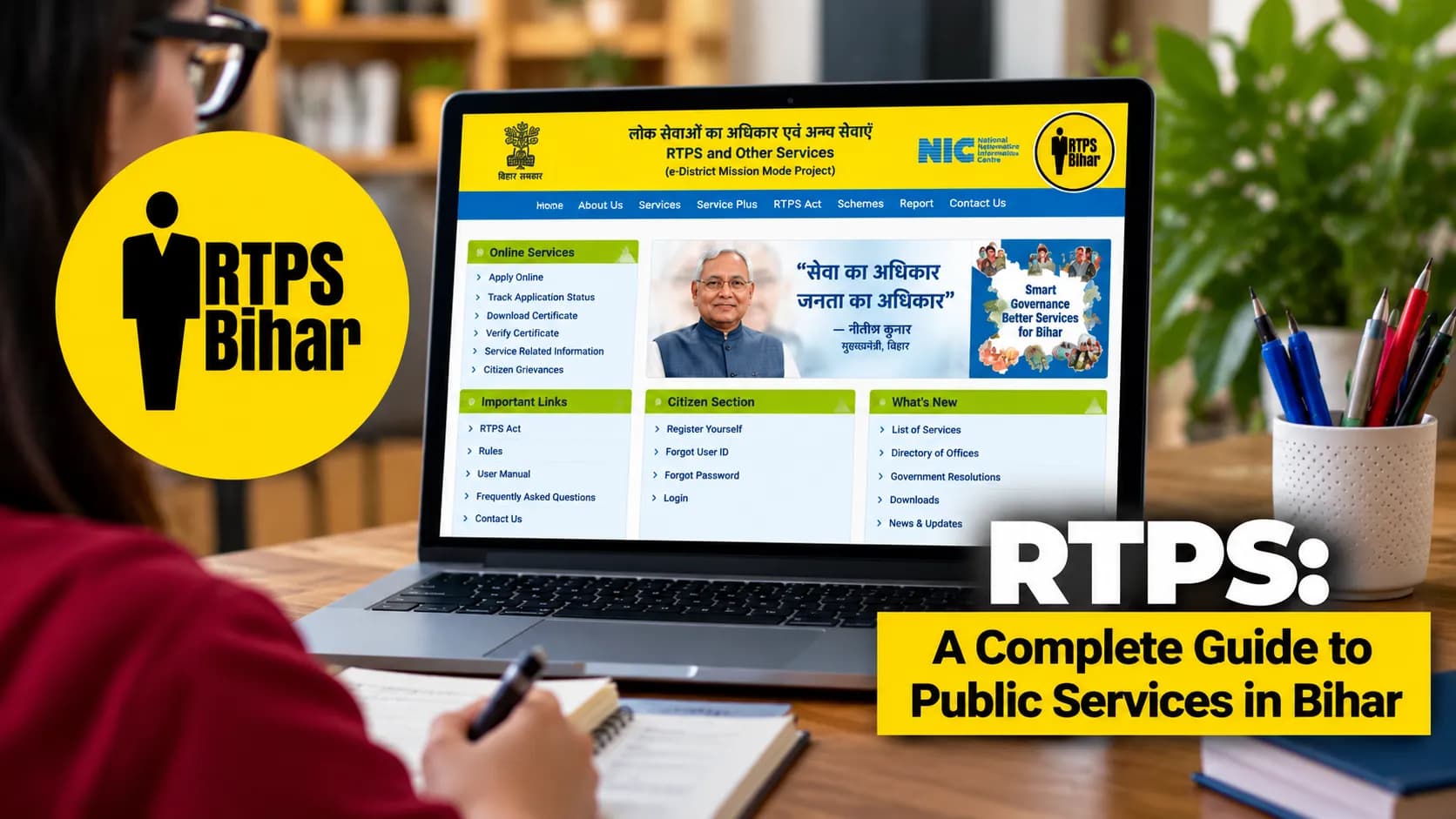
Introduction
Government services influence many aspects of everyday life. Citizens may need official certificates, registrations, approvals or other documents to access education, employment, welfare programmes and administrative facilities.
When an application is delayed or a citizen cannot identify the responsible office, even a routine administrative process can become difficult.
Bihar's Right to Public Services framework addresses the importance of timely service delivery. The Government of Bihar lists the Bihar Right to Public Services Act among its governance initiatives.
The framework is significant because it connects public administration with a basic expectation: citizens should know which services are available, how to apply and what procedures govern the delivery of those services.
Why Timely Public Services Matter
Public services are not simply administrative transactions. They can determine whether a person can complete an application, establish eligibility for a programme or obtain documentation required for another official process.
A delay may create additional visits to government offices, uncertainty about application status and difficulty meeting deadlines elsewhere.
A structured service-delivery framework can help reduce this uncertainty by identifying responsibilities and establishing procedures.
However, the practical effect depends on whether the service is covered by the applicable rules, whether the applicant submits the required information and whether the responsible authority follows the prescribed process.
Understanding the Right to Public Services Framework
The basic purpose of a right-to-service system is to make the delivery of specified government services more predictable.
Such frameworks generally identify notified services, the authorities responsible for processing applications and the timelines or procedures applicable to them.
The exact requirements vary according to the service and the relevant rules. Citizens should therefore consult the current official notification for the particular service rather than assume that every government application follows the same timeline.
The distinction is important because different services may require different documents, verification steps or approval processes.
What Citizens Should Check Before Applying
Applicants should first identify the service they need and determine which department or designated office handles it.
They should then consult the applicable instructions to confirm the documents required, the submission method, any fee and the expected processing period.
Where an application is submitted online, citizens should retain the acknowledgement or reference number. For an offline application, they should keep the receipt or other proof of submission.
These records can help establish when the application was made and make it easier to follow up if a delay occurs.
Applicants should also verify whether the information they provide matches the official records required for the service. Incomplete or inconsistent information may create avoidable complications.
What If an Application Is Delayed?
If a service is not delivered within the applicable period, the first step is to establish the status of the application.
Citizens should check whether additional documents have been requested, whether verification remains pending and whether the application was submitted to the correct authority.
If the delay continues, applicants should consult the official service-delivery rules to determine the available complaint or appeal procedure.
The existence of a right-to-service framework does not mean that every delayed application automatically qualifies for compensation or that every application must be approved. The relevant rights and remedies depend on the applicable provisions and circumstances.
For that reason, citizens should rely on official instructions rather than informal claims about guaranteed outcomes.
Transparency and Administrative Accountability
A service-delivery framework can improve accountability by making responsibilities more identifiable.
When an authority has a defined role, applicants have a clearer basis for asking about the status of their application.
Transparent procedures can also help departments identify recurring delays and improve the management of public services.
However, rules alone cannot guarantee effective implementation. Departments require adequate staffing, functioning systems, clear instructions and mechanisms for handling complaints.
Citizens also need accessible information about where to apply and how to follow up.
Why Digital Access Is Not Enough
Online applications can make some services easier to access, but digital availability does not automatically resolve every administrative difficulty.
Some citizens may have limited internet access, difficulty using online forms or problems obtaining the documents required for an application.
An effective service-delivery system should provide clear instructions and accessible channels for people who need assistance.
Digital services should be evaluated not only by the number of applications submitted online, but also by whether applicants can complete the process and receive a clear response.
How Citizens Can Assess Service Delivery
Citizens can assess a service by checking whether the required information is available, the application process is understandable and the responsible authority can be identified.
They can also monitor whether applications are processed within the prescribed period and whether a clear procedure exists for resolving complaints.
For government departments, useful indicators include processing times, pending applications, rejection reasons and complaint-resolution outcomes.
Publishing reliable information about these indicators can help the public understand how the system is functioning.
Related Keywords
Join the discussion