Bihar CPI(M) Protest Stopped in Patna: Why Opposition Parties Are Targeting the Election Commission
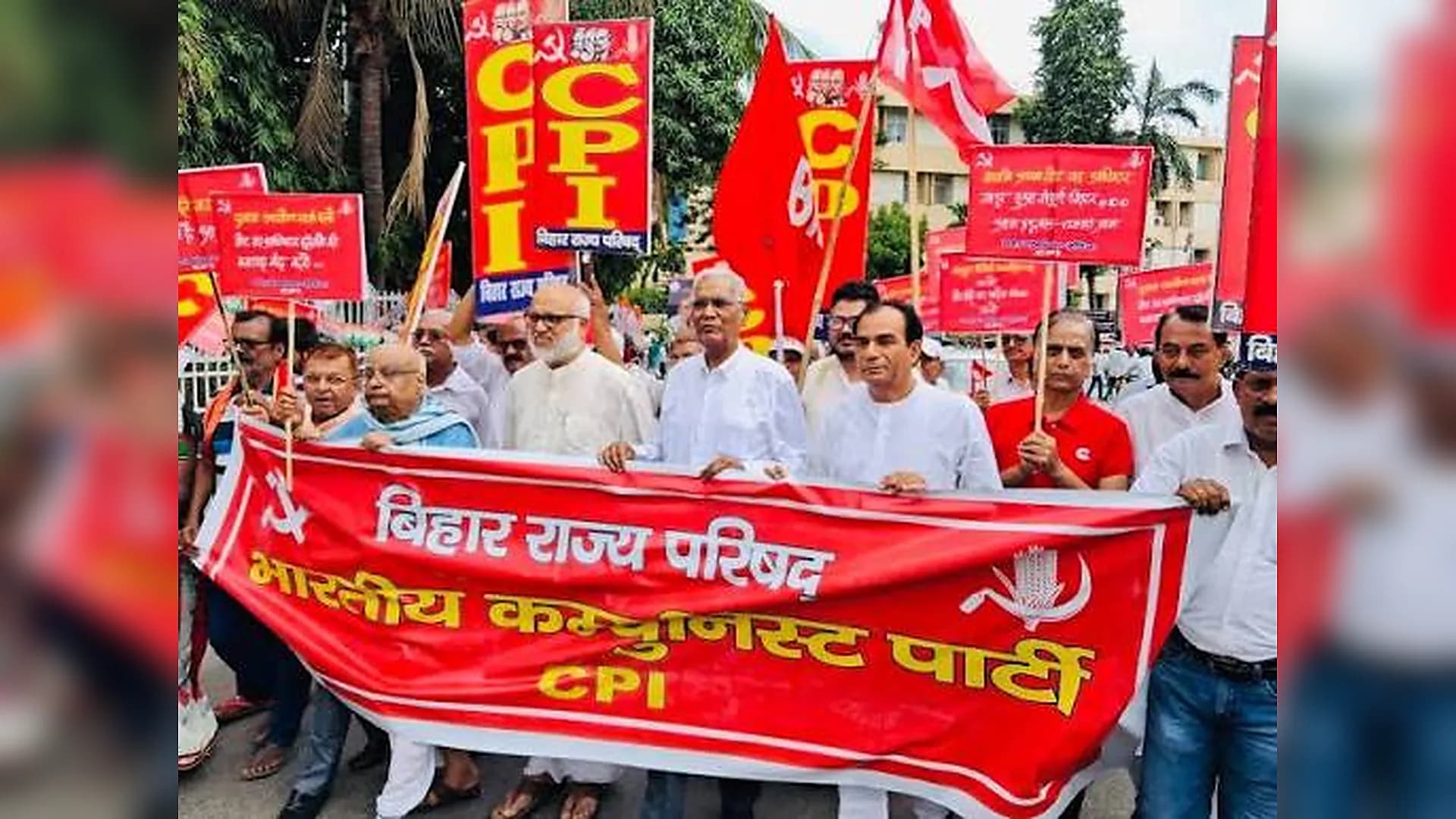
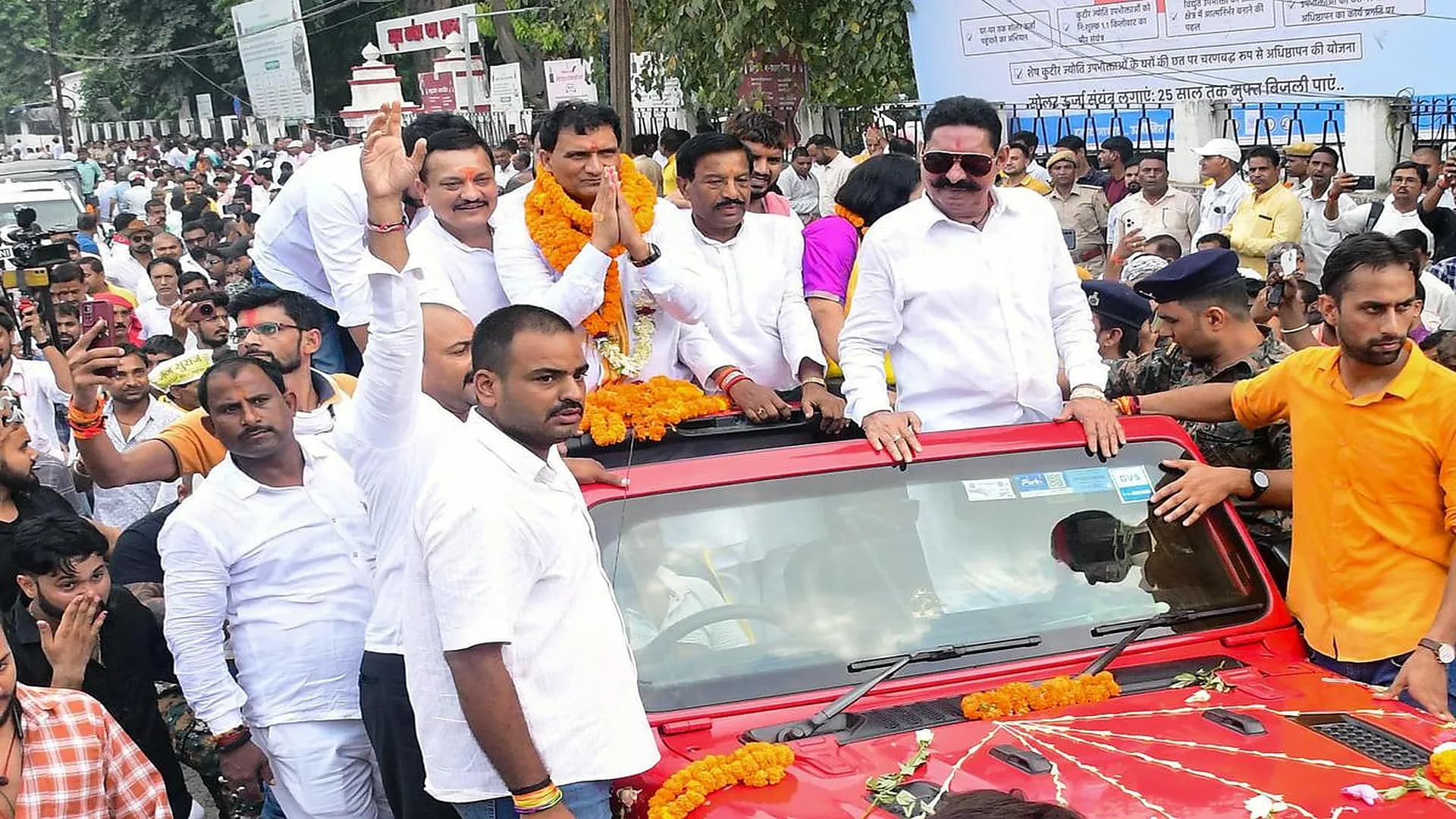
A political protest in Patna on October 16 brought Bihar’s debate over electoral rolls and voting rights back into focus. Police stopped activists associated with the Communist Party of India (Marxist), including members of its youth and student organisations, as they marched towards the State Election Commission office demanding the resignation of Chief Election Commissioner Gyanesh Kumar.
The demonstration was part of a wider opposition campaign against the Special Intensive Revision (SIR) of electoral rolls. Protesters questioned the removal of names from voter lists and demanded that people whose names were deleted be given a fair opportunity to have their eligibility reviewed.
The incident highlights the growing political importance of voter-list revisions in Bihar. For opposition parties, the central question is whether every eligible citizen can exercise the right to vote. Election authorities, meanwhile, must maintain accurate rolls while ensuring that legitimate voters are not excluded through administrative errors.
What Happened During the Patna March?
According to reporting published on October 16, CPI(M) activists and members of the Democratic Youth Federation of India and Students’ Federation of India began marching from the GPO roundabout. Police placed barricades at R-Block and prevented the procession from proceeding towards the election office.
Security was deployed around the protest route and other sensitive locations. The demonstrators raised slogans against the Election Commission and the government, demanding action over what they described as electoral irregularities.
The reported police intervention became another point of contention in the broader dispute. Protesters framed their march as an effort to defend voting rights, while the administration’s handling of demonstrations raises separate questions about permission requirements, public order and the right to peaceful assembly.
Why the SIR Exercise Has Become a Political Issue
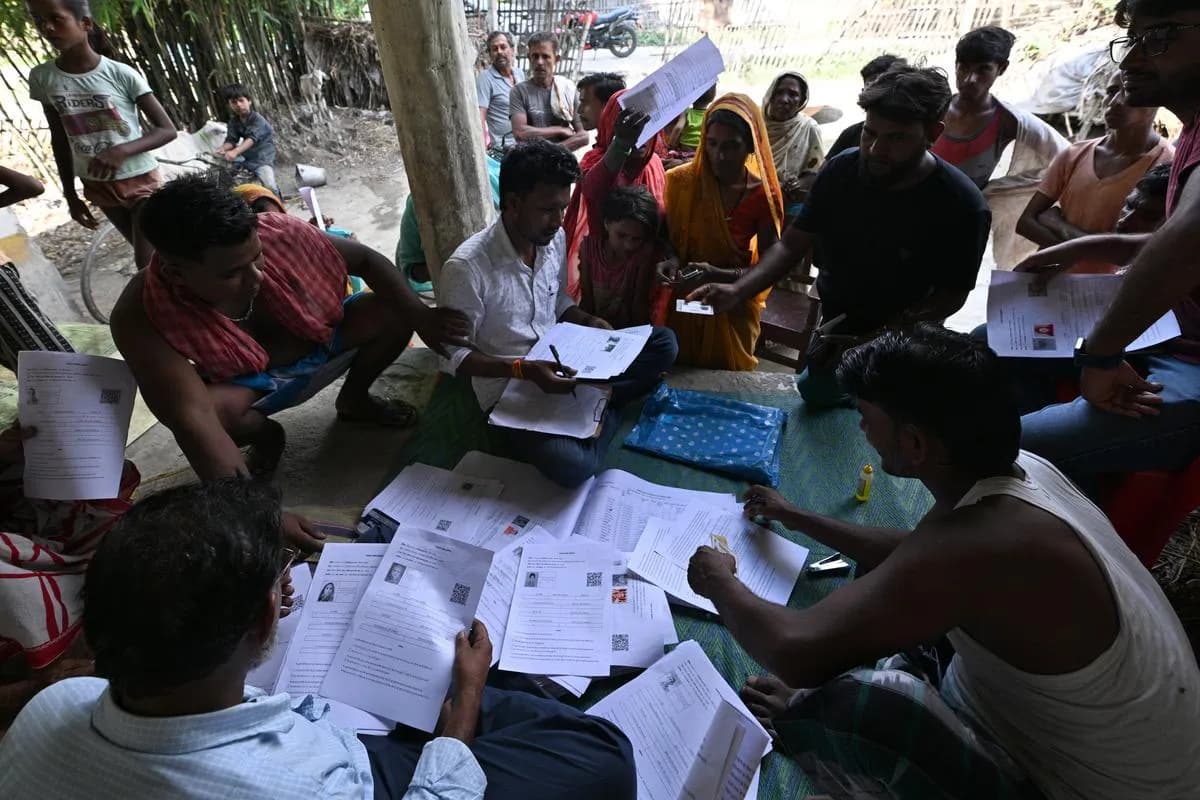
The Special Intensive Revision is intended to review electoral rolls. Such exercises can involve checking voter details, identifying duplicate entries and removing names that do not meet eligibility requirements. However, revisions can become controversial when voters or political parties believe legitimate names have been removed.
In Bihar, opposition parties have connected the SIR process to their wider criticism of the electoral system. They have demanded restoration of deleted names and questioned whether the process has been conducted fairly.
These remain political claims that require evidence and appropriate review. A deletion from a voter list does not automatically establish deliberate manipulation, just as an administrative claim of accuracy does not remove the need to investigate credible complaints.
The issue is particularly significant because voter registration directly affects participation in elections. People who have moved, changed addresses or encountered documentation difficulties may face practical barriers when checking their status or seeking corrections.
Opposition Unity and Political Strategy
The protest also illustrates how parties with different political identities can coordinate around a shared demand. CPI(M), RJD, Congress and other opposition groups have criticised aspects of the voter-list revision and the Election Commission’s handling of the controversy.
Such coordination can strengthen an opposition campaign by combining party networks, student groups and local activists. But a common position on electoral rolls does not necessarily mean that all participating parties agree on every political question.
The durability of this cooperation will depend on whether the parties maintain a common programme, organise further public outreach and provide practical assistance to voters seeking corrections.
What Should Happen Next?
The immediate questions concern the complaints raised by affected voters, the procedures available to challenge deletions and the transparency of the revision process. Clear communication about eligibility, documentation and correction procedures can help citizens understand what action they need to take.
Political parties can contribute by documenting specific cases rather than relying only on broad accusations. Election authorities can build public confidence by explaining procedures, addressing individual complaints and making relevant information accessible.
The Patna protest is therefore more than a confrontation between demonstrators and police. It reflects a wider argument about the administration of elections and the relationship between public trust and electoral institutions.
The political consequences will depend on the evidence that emerges, the response of election authorities and whether opposition parties can turn their demands into a sustained campaign. For Bihar’s voters, the most important outcome is a transparent process that protects the participation of every eligible citizen.