Bihar MLC Elections 2026: 150 Candidates Remain in the Contest for Eight Seats
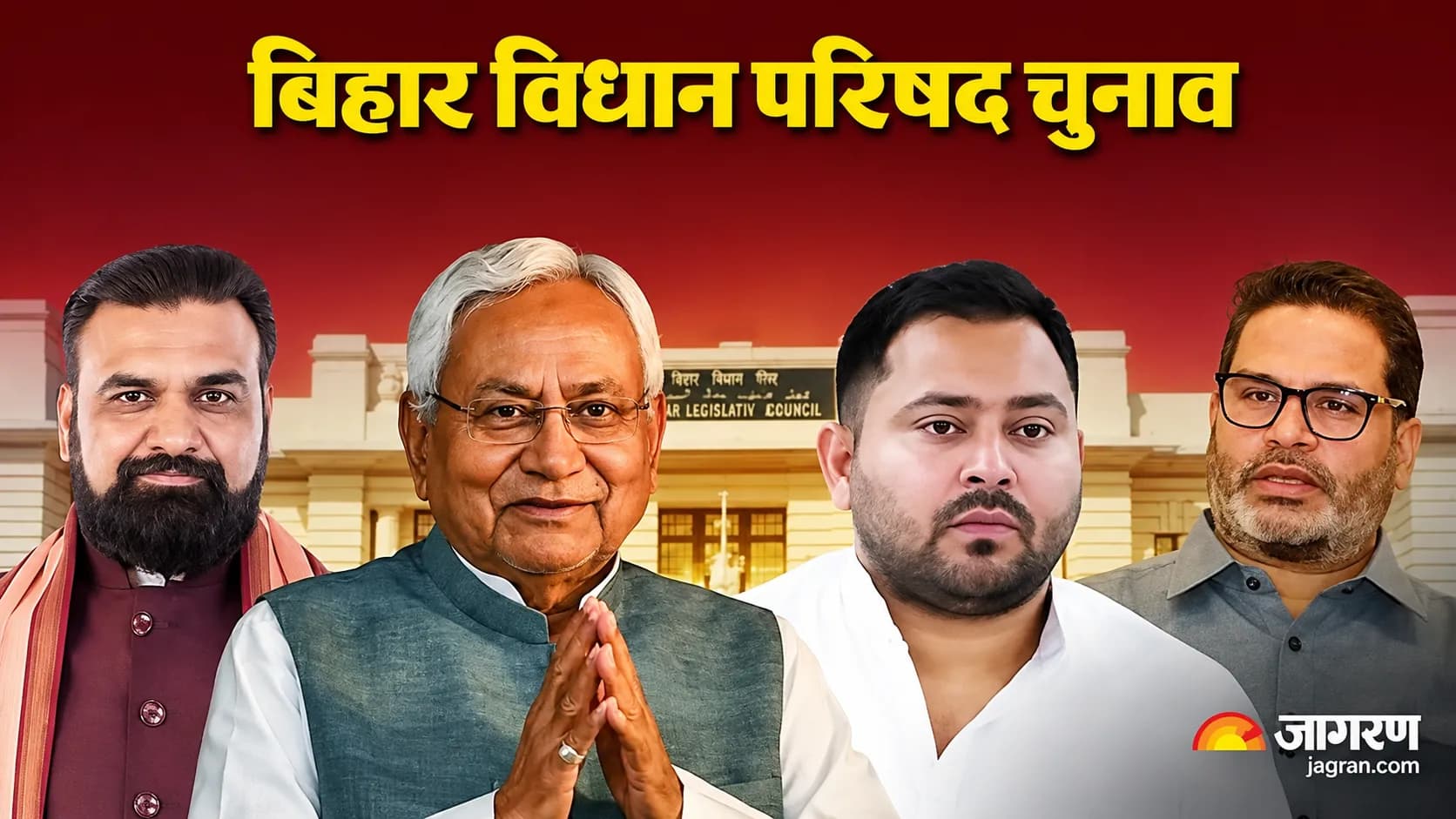
150 Candidates Remain in Bihar's MLC Election Contest
A total of 150 candidates remained in the contest for eight Bihar Legislative Council seats following the rejection of nominations and withdrawal of candidature, according to reports published on October 9, 2026.
The elections cover four graduate constituencies and four teachers' constituencies. Voting is scheduled for October 23, while counting is scheduled for October 27.
The number of candidates highlights the scale of competition across the eight constituencies. However, the total alone does not indicate how individual contests will develop or which candidates will receive the most support.
How the Candidates Are Distributed
The eight constituencies include the graduate seats of Patna, Tirhut, Darbhanga and Kosi, along with the teachers' seats of Patna, Saran, Tirhut and Darbhanga.
The nomination process involved scrutiny of submitted papers and an opportunity for candidates to withdraw their nominations within the prescribed period.
Reports on October 9 stated that 12 nominations had been rejected and two candidates had withdrawn, leaving 150 candidates in the contest. The graduate constituencies accounted for 90 candidates, while the teachers' constituencies accounted for 60.
These figures describe the reported position following the nomination process. Any subsequent change to the candidate list should be confirmed through official election records.
Why Graduate and Teachers' Constituencies Are Different
Graduate and teachers' constituencies have defined electorates rather than the entire adult population of a geographical area. Voters must meet the relevant eligibility requirements and be registered in the appropriate constituency.
This structure makes voter registration, candidate outreach and constituency-specific engagement important parts of the campaign.
Candidates may raise issues relating to employment, education, professional service conditions and administrative accountability. Teachers may focus on matters affecting schools and their working conditions, while graduate voters may consider broader concerns such as recruitment and public services.
The relevance of each issue will depend on the constituency and the candidates' proposals. Voters should examine individual commitments rather than assume that all candidates share the same priorities.
Political Parties and Independent Candidates
The election field includes candidates associated with established political parties as well as independent contestants. The presence of several candidates can make the contests more complex, particularly where candidates share similar political constituencies or raise overlapping issues.
Candidate selection can also create disagreements within political organisations. Reports ahead of the election have described differences involving alliance partners and competing political interests in some constituencies.
Such disagreements should be reported as specific developments rather than treated as proof of a broader organisational breakdown. Their electoral consequences cannot be established before voting and counting.
What the Election Will Test
The MLC elections provide parties with an opportunity to engage with registered graduate and teacher voters. Campaign organisation, candidates' public engagement and the clarity of their proposals will all be part of the electoral process.
Voters can compare candidates by examining their stated priorities, understanding of constituency-specific concerns and proposed approach to representing their electorate.
The election also provides a formal process through which eligible voters can choose representatives for the Legislative Council. Accurate information about candidate names, constituency boundaries, polling arrangements and eligibility is therefore important.
Polling and Counting Dates
Voting for the eight constituencies is scheduled for October 23, 2026, with counting scheduled for October 27, according to reports about the election schedule.
Candidates and political parties will continue their campaigns before polling, while election authorities are responsible for administering the process under the applicable rules.
The reported figure of 150 candidates reflects the position after the nomination process described in the October 9 reports. Readers should consult official election notifications for any later updates to the final candidate list or polling arrangements.
The outcome will be established through the counting process. Until then, the number of candidates should be understood as a measure of participation in the contest, not as evidence that any particular candidate or party will win.
Related Keywords
Join the discussion