Patna
Patna is not merely the geographical and administrative capital of Bihar; it is the vibrant, high-voltage nucleus of the state's entire political machinery. As the central headquarters and strategic command base for premier political formations such as the Rashtriya Janata Dal (RJD), Janata Dal (United) [JDU], Bharatiya Janata Party (BJP), and the Indian National Congress, every major political manoeuvre, state-wide agitation, policy formulation, and electoral strategy originates from within this district. The political ecosystem of Patna represents a fascinating friction and fusion of urban middle-class aspirations, intellectual discourse, and deep-rooted rural socio-political realities that define the broader destiny of Bihar politics.
Legislative Architecture and the Center of Power
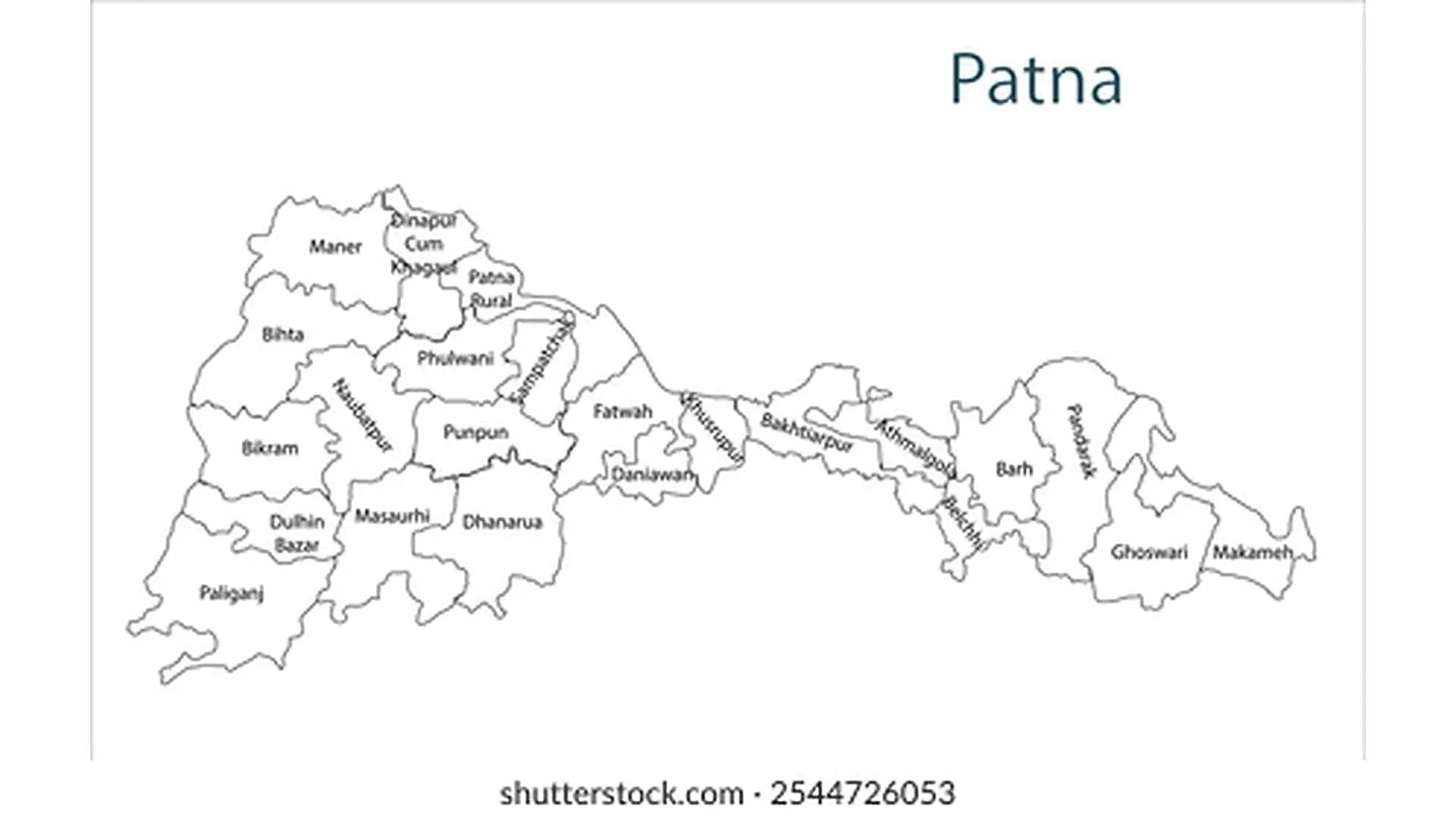
The district houses the majestic Bihar Vidhan Sabha (Legislative Assembly) and the Bihar Legislative Council, establishing Patna as the definitive arena where governance, laws, budget allocations, and political alliances are forged or broken. Patna comprises a diverse cluster of high-profile assembly and parliamentary constituencies—ranging from core urban intellectual hubs like Patna Sahib, Bankipur, Kumhrar, and Digha to semi-urban and intensely contested rural-urban hybrid segments such as Phulwari Sharif, Danapur, Fatuha, Bakhtiarpur, Mokama, Barh, Masaurhi, and Paliganj. Each of these constituencies carries massive historical weight, symbolic value, and distinct electoral dynamics that dictate legislative strength in the state assembly.
The Great Electoral Dichotomy: Urban Strongholds vs. Rural Power Bases
Elections in Patna district command national attention because they vividly manifest the classic political polarization of Bihar:
Urban Strongholds and NDA Dominance: Constituencies nestled securely within the municipal corporation and urban clusters have traditionally demonstrated strong inclinations toward national organizational structures, developmental rhetoric, and urban governance narratives. Over successive electoral cycles, the BJP and its NDA allies have maintained a formidable grip on these urban pockets, backed heavily by trading communities, upper-caste electorates, and an expanding urban-middle-class demographic seeking stability and infrastructural growth.
Rural and Semi-Arid Agrarian Belts: Conversely, as one transitions towards the peripheral rural expanses of Barh, Mokama, Masaurhi, and Paliganj, the political idiom transforms entirely. Here, electoral outcomes are dictated by agrarian concerns, local muscle and mass leadership, and intricate, multi-layered caste alliances involving Yadavs, Kurmis, Koeris, Bhumihars, Rajputs, Extremely Backward Classes (EBCs), and Mahadalits. These rural segments reflect the grassroots socio-political friction that characterizes Bihar’s broader electoral battlegrounds.
Historic Political Movements and Revolutionary Legacy
Historically, Patna has served as the ultimate launchpad and primary battleground for legendary socialist leaders, nationalist icons, and mass student movements that have repeatedly altered the course of Indian national politics. From the anti-colonial resistance and early socialist uprisings to the historic Total Revolution (Sampoorna Kranti) movement of the 1970s led by Loknayak Jayaprakash Narayan, Patna's streets, university campuses (particularly Patna University), and iconic public grounds have been witness to monumental political awakenings. The city trains generations of student politicians and youth leaders who eventually ascend to state and national prominence.
High-Octane Campaigns, Rallies, and the Political Barometer
During both Lok Sabha and Vidhan Sabha election cycles, Patna transforms into a war room of high-octane political campaigning. Mega-rallies organized at historic venues like Gandhi Maidan often act as the ultimate litmus test for political strength, frequently signaling an impending shift in public mandate and momentum across the state. The presence of state party offices, aggressive media houses, political think-tanks, and key political strategists concentrated within a few kilometers makes Patna the most fiercely guarded and strategically vital territory for every political front striving to capture power in Bihar.
Related Keywords
Join the discussion