Patna Students Protest Against SIR, Demand CEC Gyanesh Kumar’s Resignation
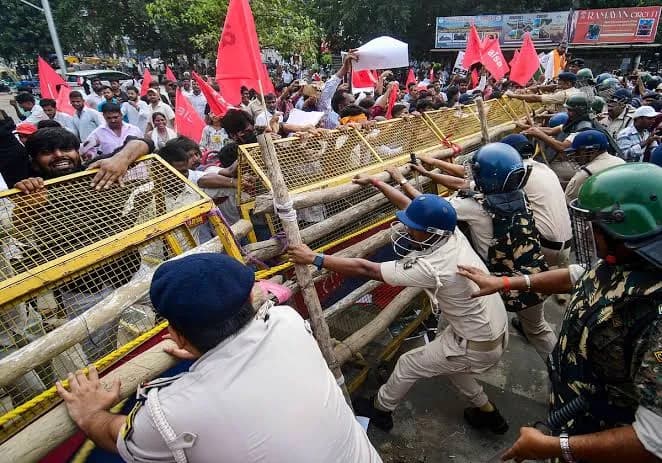
AISA and RYA Lead Protest March in Patna
Student and youth organisations staged a protest march in Patna, Bihar, on Tuesday, October 13, 2026, demanding the resignation of Chief Election Commissioner Gyanesh Kumar over alleged irregularities in the Special Intensive Revision (SIR) of electoral rolls.
Members of the All India Students’ Association (AISA), the Revolutionary Youth Association (RYA) and other organisations participated in the demonstration. The protesters attempted to march towards Lok Bhavan despite administrative restrictions on demonstrations outside the designated protest site at Gardanibagh.
The protest added to the ongoing political debate over electoral-roll revision, voter eligibility and the functioning of the Election Commission of India.
Police Detain Protesters as Demonstrators Cross Barricades
Police deployed additional personnel and established security barricades between JP Golambar and Gandhi Maidan to prevent the march from proceeding towards Lok Bhavan.
According to the report, six Vajra riot-control vehicles and water cannons were deployed as part of the security arrangements.
Some protesters were detained after demonstrators crossed barricades near JP Golambar. Later, protesters blocked the Dak Bungalow roundabout, causing significant traffic congestion in the area.
The police action took place amid restrictions issued by the state administration, which designated Gardanibagh as the authorised location for demonstrations in Patna.
CPI(ML) MLA Sandeep Saurabh Supports the Protest
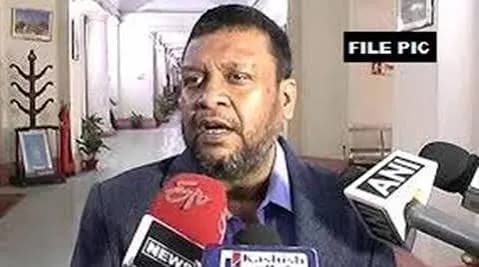
Sandeep Saurabh, a CPI(ML) legislator from Paliganj, also participated in the demonstration.
Speaking to the media, Saurabh alleged that the SIR exercise had raised serious concerns about democratic processes. He demanded Gyanesh Kumar’s resignation and criticised the way the electoral-roll revision had been conducted.
Saurabh also accused the Chief Election Commissioner of favouring the BJP and argued that the process had concentrated authority over electoral data at the central level. These statements reflect the allegations made by the protest participants and have not been independently established by the supplied report.
The protesters called for the immediate resignation of Gyanesh Kumar and raised concerns about the role of election officials in overseeing the revision process.
Administration Restricts Demonstrations to Gardanibagh
The Patna district administration has designated Gardanibagh as the official site for protests and demonstrations in the state capital.
A directive issued by the administration stated that demonstrations at locations other than the designated site could lead to legal action.
Patna District Magistrate Kundan Kumar and Senior Superintendent of Police Kartikey Sharma instructed that Gardanibagh should be used for demonstrations and agitations. According to the directive, permission would not be granted for protests at other locations.
The restrictions formed the immediate backdrop to Tuesday’s march, as organisers proceeded with their demonstration despite the administrative order.
SIR Controversy Continues to Generate Political Protests
The Patna demonstration is part of the wider political dispute surrounding the Special Intensive Revision of electoral rolls. Opposition parties and affiliated organisations have questioned aspects of the exercise and raised concerns about electoral transparency.
The Election Commission’s role in maintaining accurate voter lists remains central to the debate. While protesters have demanded accountability and the Chief Election Commissioner’s resignation, their allegations must be distinguished from findings established through official investigations or judicial proceedings.
Conclusion
The protest in Patna highlights the continuing tensions between student and youth organisations and the authorities over electoral-roll revision and restrictions on demonstrations.
With AISA, RYA and supporting political representatives demanding Gyanesh Kumar’s resignation, the SIR controversy continues to feature prominently in Bihar’s political discourse. The competing claims over electoral procedures and the enforcement of protest restrictions are likely to remain subjects of public and political debate.