Bihar Congress Faces Leadership Storm: Falling Cadre Morale and Internal Discontent Put Party Leadership Under Pressure
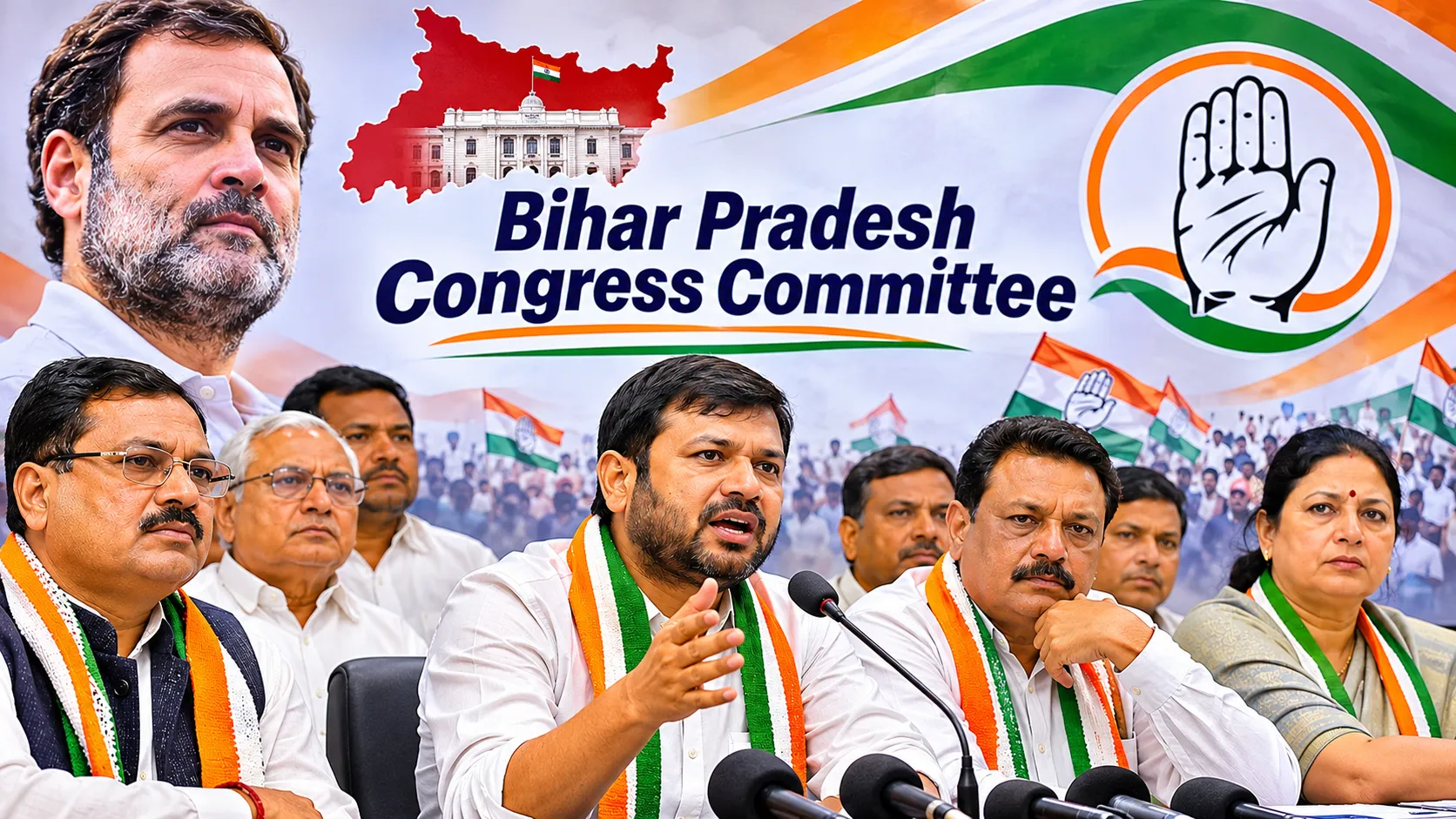
Introduction: Congress Faces a New Political Challenge in Bihar
Bihar politics is witnessing another significant political development, but this time the spotlight is not on the ruling NDA government. Instead, attention has shifted towards the internal condition of the Congress party.
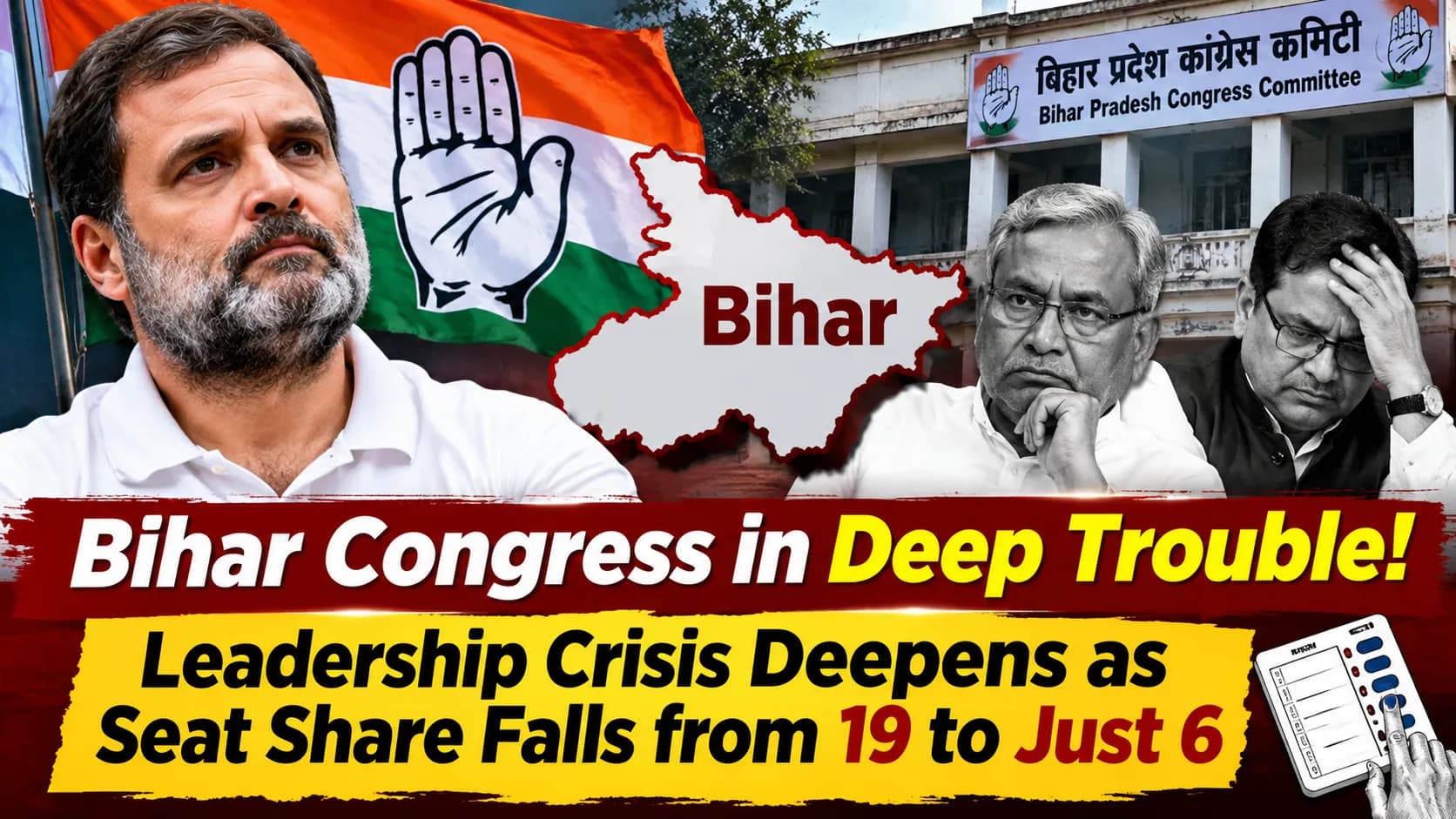
A report published by The Week on November 21, 2026, highlighted growing dissatisfaction among sections of the Bihar Congress leadership and party workers. The concerns follow the party's disappointing performance in the 2025 Bihar Assembly elections, when its seat tally reportedly fell from 19 to just six.
The development raises important questions about the Congress party's organisational strength, leadership structure and ability to rebuild its political influence in Bihar.
For a party seeking to challenge the BJP-JD(U) government, internal organisational stability will be crucial.
The Election Setback That Changed Congress Politics
The 2025 Assembly election result remains a major challenge for the Bihar Congress.
The party's decline from 19 Assembly seats to six has created concerns about its political position in the state.
An electoral setback does not automatically mean the end of a party's political relevance. However, rebuilding requires strong leadership, active grassroots workers and a clear political strategy.
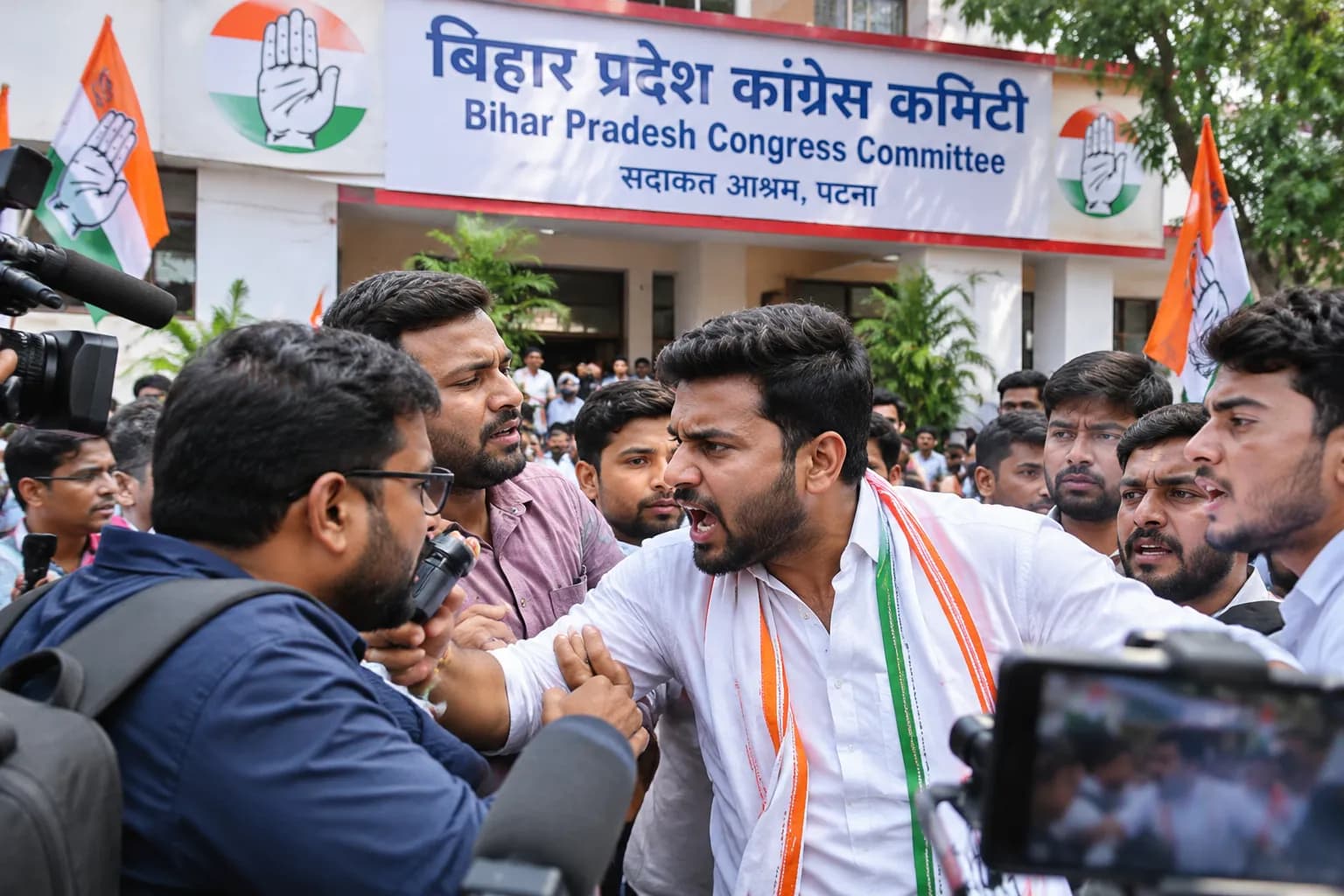
According to The Week's November 21 report, some party insiders believe that organisational activity and cadre enthusiasm have weakened following the election defeat.
This situation has placed the party's state leadership under increased scrutiny.
Leadership Questions Become a Major Concern
The report identifies Bihar Congress in-charge Krishna Allavaru and state president Rajesh Ram as figures facing criticism from sections within the organisation.
According to party insiders quoted in the report, concerns have emerged over their ability to manage local leaders and maintain organisational enthusiasm.
These criticisms reflect internal perceptions rather than an officially announced leadership change.
The central question is whether the existing leadership structure can successfully reconnect with grassroots workers and rebuild confidence among party members.
Congress now faces the challenge of demonstrating that its organisation remains politically active beyond election campaigns.
Opposition Coordination Remains a Political Test
Another important issue highlighted in the report concerns the Congress party's coordination with opposition forces in Bihar.
The Congress and RJD have previously worked together as political allies. However, questions have emerged about their ability to organise a sustained opposition campaign against the BJP-JD(U) government.
Effective opposition politics requires more than election-time seat-sharing arrangements.
It involves regular public engagement, coordination between alliance partners, raising local issues and presenting alternative policies.
If opposition parties fail to maintain this connection with voters, the ruling alliance could benefit politically.
For Congress, rebuilding its relationship with the RJD and strengthening its independent organisational presence will both be important.
Seemanchal Politics Adds Another Dimension
The Seemanchal region has also emerged as an important political concern.
The Week report points to the Congress-RJD alliance's difficulties in strengthening its political position in Muslim-majority areas.
It also highlights the performance of the All India Majlis-e-Ittehadul Muslimeen (AIMIM), which retained four Assembly seats.
This development demonstrates that political competition in Seemanchal cannot be understood through the Congress-RJD alliance alone.
Regional political preferences, local leadership and constituency-level issues can influence electoral outcomes.
For Congress, reconnecting with voters in this region could become an important part of its organisational rebuilding strategy.
Kanhaiya Kumar's Political Position Also Under Discussion
The report also discusses Bihar Congress leader Kanhaiya Kumar.
According to the report, some party leaders believe he has not yet succeeded in strengthening his political standing within the organisation.
His organisational responsibilities and influence have become subjects of internal discussion.
However, these assessments represent the views attributed to party insiders and should not be treated as an official decision regarding his political future.
His role in the party's future organisational strategy remains an important issue to watch.
What Does This Mean for Bihar Politics?
The Congress leadership debate could have implications beyond the party itself.
Bihar's opposition politics depends on the ability of political parties to maintain coordination, mobilise supporters and challenge the government on public issues.
If Congress manages to strengthen its organisation, it could become a more active component of opposition politics.
On the other hand, prolonged internal disagreements could weaken its capacity to contribute effectively to alliance politics.
The RJD and other opposition parties will also have to consider how they maintain political coordination in the changing environment.
What Happens Next?
Several questions will shape the next phase of Bihar Congress politics:
Will the Congress leadership introduce organisational changes?
Can the party restore confidence among grassroots workers?
Will Congress and RJD strengthen their opposition coordination?
Can the party improve its political presence in Seemanchal?
Will younger leaders receive greater organisational responsibilities?
These questions remain open. No official leadership replacement or organisational restructuring has been established by the report.
Conclusion: Congress Must Rebuild Before the Next Political Battle
The latest developments suggest that Bihar Congress faces an important organisational challenge.
The decline in its Assembly representation, concerns about cadre morale and questions surrounding opposition coordination have created pressure on the party.
For Congress, the immediate priority is not simply to criticise the ruling government. It must also strengthen its own organisation, rebuild local leadership and establish a consistent connection with voters.
Bihar's political landscape remains competitive, and the Congress party's ability to overcome its internal challenges could influence the future direction of opposition politics in the state.
The bigger political question is clear: Can Bihar Congress rebuild its organisation, or will internal dissatisfaction continue to weaken its position?