Tejashwi Yadav and Mukesh Sahani Face Fresh Court Hearing in Muzaffarpur Election Symbol Case
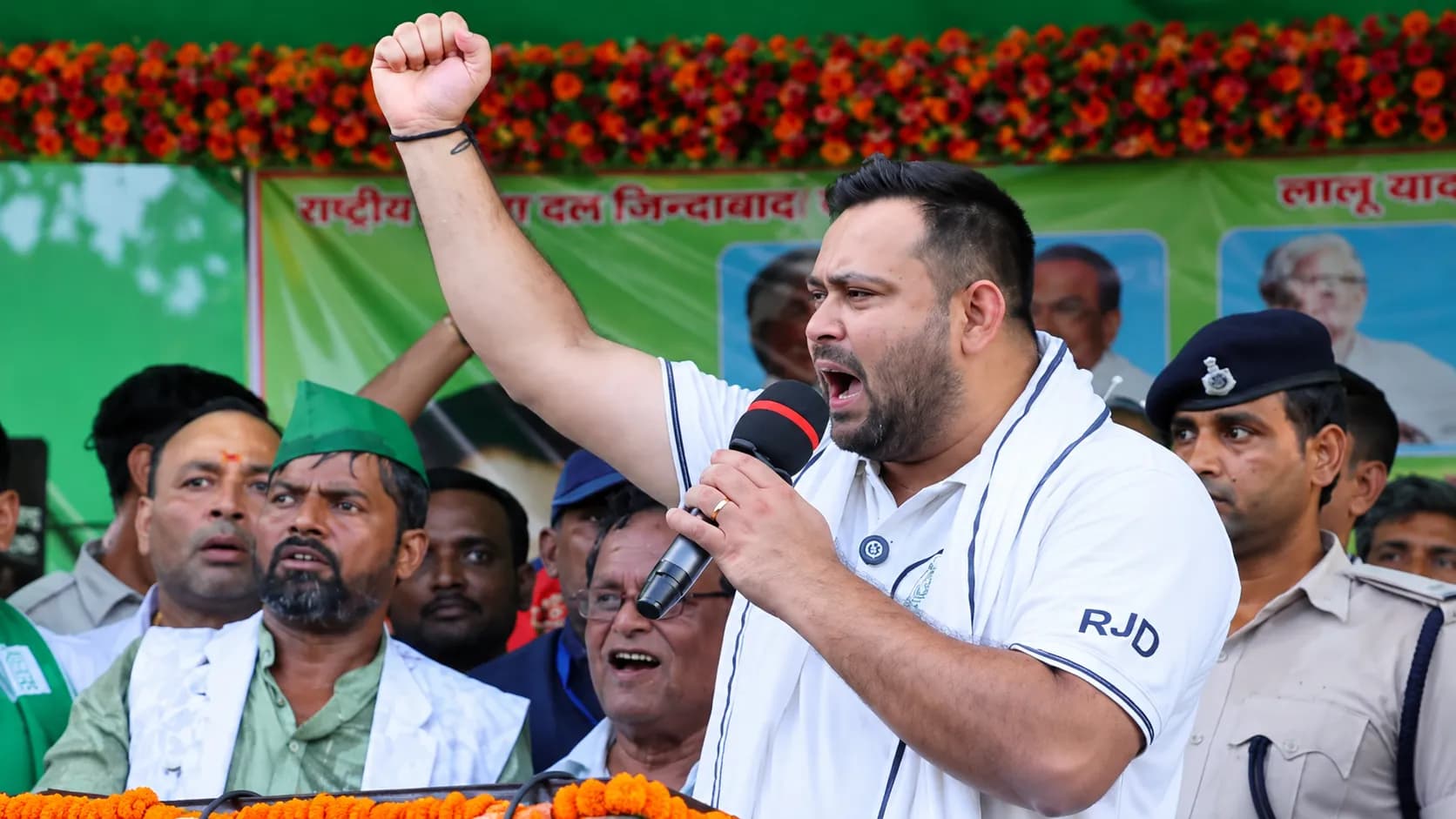
A court in Muzaffarpur has ordered a fresh hearing in a case involving RJD leader Tejashwi Yadav and Vikassheel Insaan Party chief Mukesh Sahani concerning the alleged misuse of the boat election symbol. The development was reported on 8 October 2026 and has brought renewed attention to a legal dispute involving two prominent figures associated with Bihar's opposition politics.
The court's direction concerns the next stage of proceedings. It should not be interpreted as a finding that either leader has committed an offence. The allegations, the procedural history and the court's reasoning must be understood through the relevant orders and case documents.
What the Court's Direction Means
According to published reporting, the Muzaffarpur court ordered a fresh hearing after setting aside an earlier order by the Chief Judicial Magistrate's court that had dismissed the complaint. A fresh hearing means the matter is to be considered again under the applicable judicial process. It does not, by itself, establish the truth of the allegations or determine the eventual outcome.
The distinction is important because legal proceedings can involve several stages, including consideration of whether a complaint should proceed, examination of the material placed before the court and any subsequent proceedings permitted under law. Each stage has a different legal purpose.
For political reporting, the status of the case should therefore be described precisely. A court ordering a hearing is different from a court framing charges, recording a conviction or imposing a sentence. Those developments should not be conflated.
The Political Context
Tejashwi Yadav is a senior RJD leader and a prominent opposition figure in Bihar. Mukesh Sahani leads the Vikassheel Insaan Party, which has been active in the state's opposition political landscape. Their political roles make developments involving them relevant to readers following Bihar's parties and leadership.
Election symbols are an important feature of India's electoral system. They help voters identify parties and candidates on ballot-related materials and election displays. The Election Commission of India regulates the allocation and use of recognised party symbols under the applicable framework. Disputes concerning an election symbol can therefore involve questions about how it was used, the applicable rules and the facts presented to the relevant authority or court.
However, the precise legal issue in this case must be established from the complaint and judicial order. The general importance of election symbols does not, by itself, explain whether the conduct alleged in a particular case violates any rule.
Why the Case Has Drawn Attention
Legal developments involving political leaders can attract public interest because they intersect with questions of accountability, electoral conduct and the operation of the judicial process. Yet the existence of a complaint should not be treated as proof of wrongdoing. A fair account must distinguish between what the complainant alleges, what the court has ordered and what has been legally established.
The fresh-hearing direction means the matter remains subject to the judicial process. The parties may have opportunities to present their positions in accordance with the applicable procedure. Any subsequent decision should be reported from the court's order rather than inferred from political reactions or commentary.
The case also illustrates why accurate legal terminology matters in political news. Words such as allegation, complaint, hearing, order, charge and conviction describe different situations. Using them carefully helps readers understand the actual stage of a case without overstating its implications.
Political Reactions and Party Positions
Any public response by the RJD, VIP or the individuals involved should be reported with clear attribution. If a party disputes the allegations, its position can be included alongside the procedural facts. If no formal response is available, the article should not invent one or assume that a leader's silence indicates acceptance of the claim.
The political relationship between parties can change over time, but the court proceeding should be assessed on its own legal record. Wider disagreements between opposition groups, alliance negotiations or election campaigns should not be presented as causes of the case unless evidence establishes that connection.
Readers should also be cautious about social-media posts that describe the court's direction as a final judgment. The reliable way to establish the current status is to consult the relevant judicial order and subsequent case listings.
What Happens Next?
The next step depends on the proceedings scheduled by the court and the submissions made by the parties. A later order may clarify whether the complaint proceeds further and what issues require consideration. Until such an order is available, the case should be described as a matter returned for fresh hearing rather than as a concluded finding against either leader.
For Bihar's political coverage, the development is relevant because it concerns two recognisable political figures and a question related to electoral symbols. Its legal significance, however, will depend on the court's reasoning and the eventual course of the proceedings.
Related Keywords
Join the discussion