Patna Metro Construction Target Set for 2028 as Foot Overbridges Planned on Nehru Path
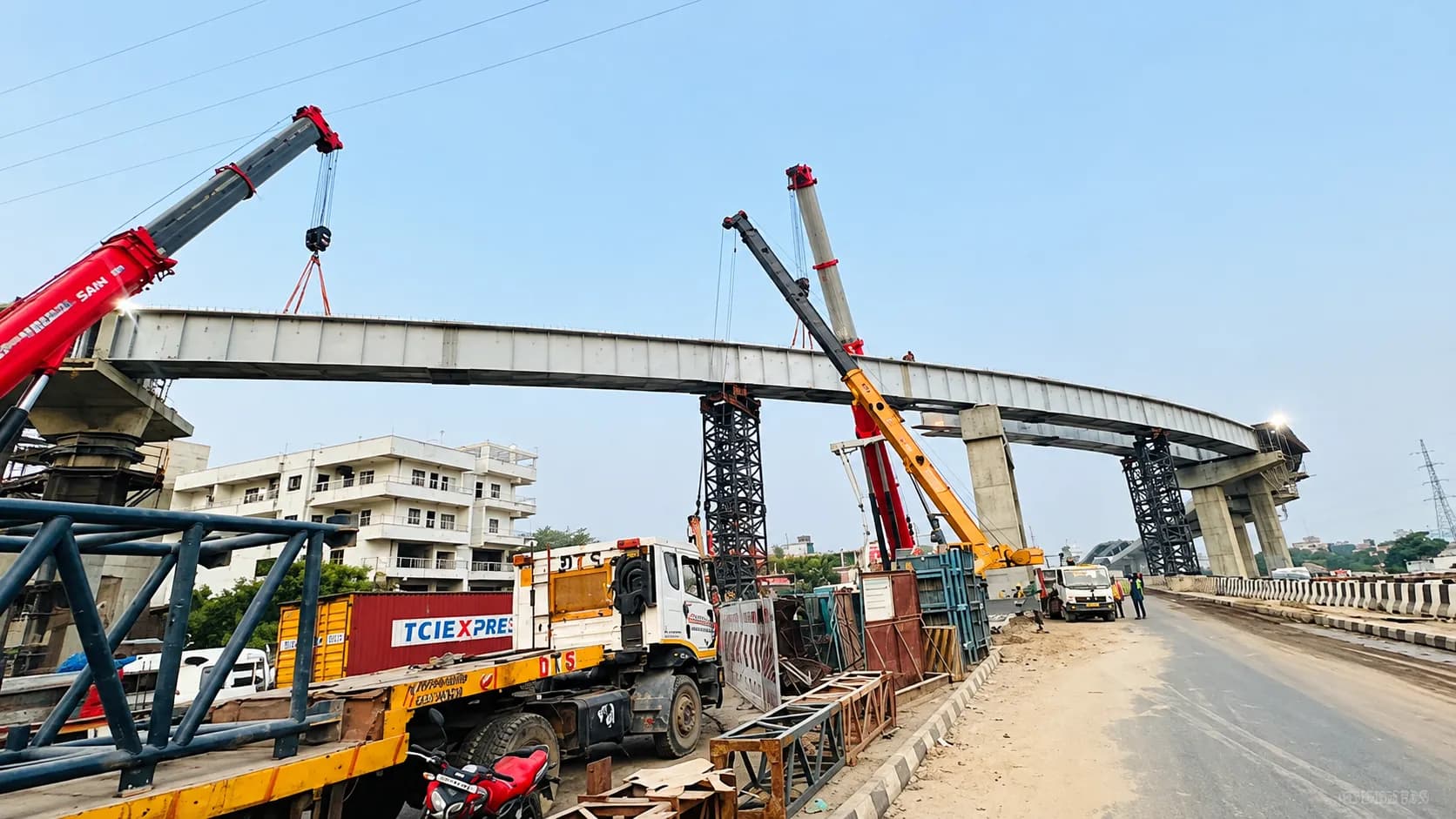
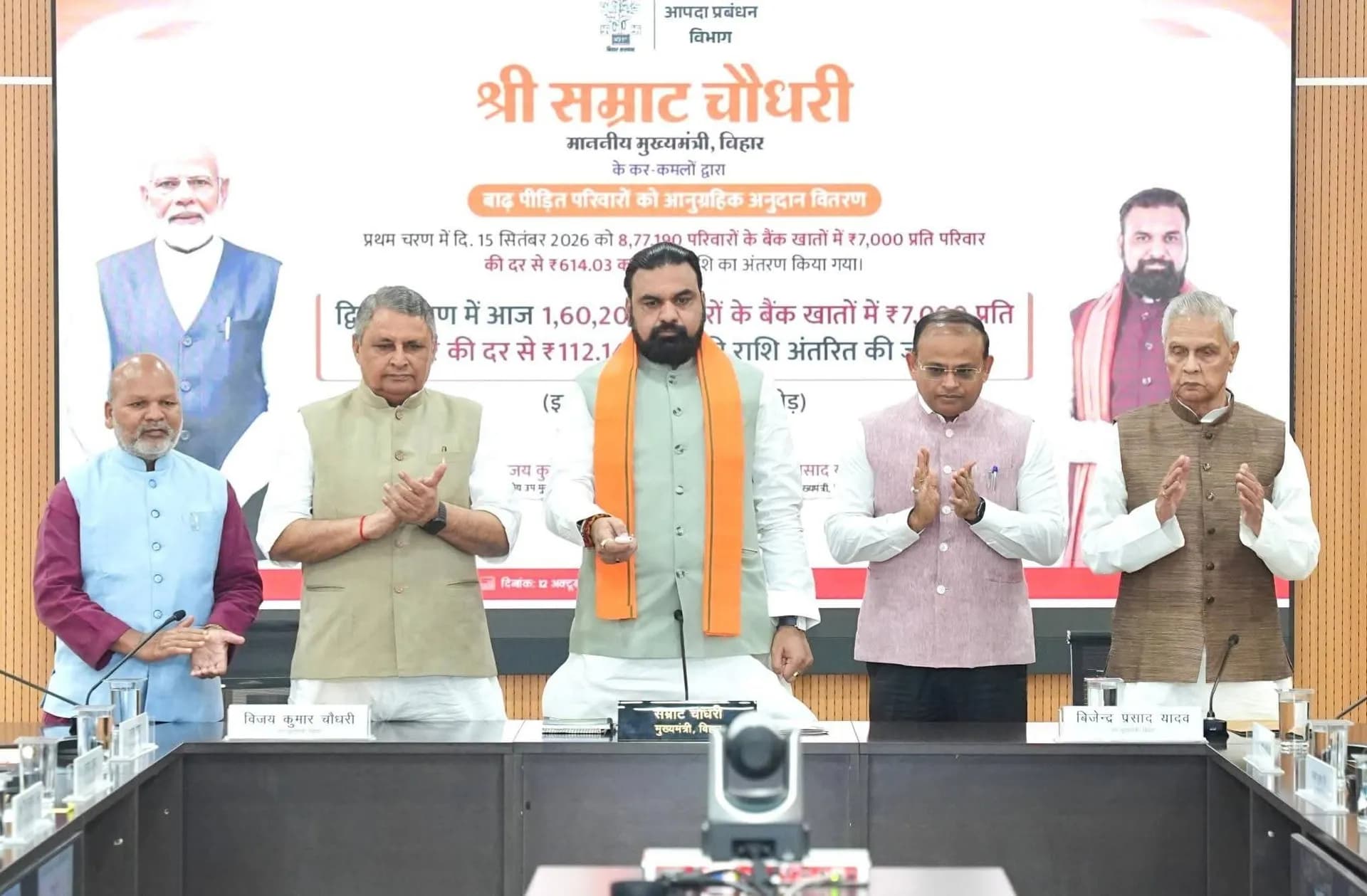
Bihar Chief Minister Samrat Choudhary has directed officials to complete the Patna Metro Rail project by 2028 and construct two foot overbridges on Nehru Path, according to a statement published by the Chief Minister’s Secretariat on 11 October 2026. The instructions place project delivery and pedestrian infrastructure among the immediate priorities for Patna’s transport network.
The announcements concern two related but distinct urban needs. Metro construction aims to expand public transport options, while foot overbridges are intended to provide designated crossing infrastructure for pedestrians. Their practical impact will depend on execution, accessibility, integration with existing transport and the way residents use the completed facilities.
Patna Metro and Urban Mobility
Patna’s transport network serves residents, workers, students, visitors and people travelling to government offices, hospitals and commercial areas. As a city grows, pressure on roads can increase through private vehicles, buses, two-wheelers, autos and pedestrian movement. Improving public transport is one way to address these demands, although the outcome depends on how well the new system connects with existing travel routes.
A metro system can provide a high-capacity option along its operational corridors. For passengers, its usefulness depends on stations being accessible, services running reliably and connections being available to destinations beyond the immediate station area. Walking routes, feeder services, bus links and safe street crossings can therefore affect whether residents choose to use the system.
The 2028 target gives the project a public timetable against which progress can be assessed. However, a target date should not be treated as proof that every section, station or service will be ready by that date. Construction, testing, safety approvals and operational preparation are separate stages, and updates should specify which components are complete.
Why Foot Overbridges Matter
The direction to construct two foot overbridges on Nehru Path addresses a different part of the transport challenge. Pedestrians need safe ways to cross busy roads, particularly near destinations that attract regular foot traffic. A foot overbridge can separate crossing movements from vehicles, but its effectiveness depends on its location, design and accessibility.
People are more likely to use a crossing when it provides a convenient route and does not require an unnecessarily long detour. Stairs alone can make a structure difficult to use for elderly people, people with disabilities, parents with small children and those carrying heavy items. Accessible design, appropriate lighting, maintenance and clear signs are therefore important considerations.
The surrounding road layout also matters. Footpaths leading to the crossing should be usable, approaches should not be blocked and pedestrian routes should connect with the places people actually need to reach. Without these features, a new structure may exist without fully resolving the crossing problem it was intended to address.
Monitoring Construction and Public Spending
Large infrastructure projects require regular reporting on expenditure, construction milestones, land and utility issues, safety and operational readiness. Public updates can help residents understand whether work is progressing according to schedule and which sections remain under construction.
The relevant measures differ between the metro and the foot overbridges. For the metro, useful indicators include completion of civil works, station readiness, track and systems installation, testing and required safety approvals. For pedestrian infrastructure, the relevant questions include completion dates, accessibility, lighting, structural safety and connection to footpaths.
Cost information should also be reported carefully. The approved project cost, actual expenditure and estimated cost of individual components are not interchangeable. Any comparison should use figures covering the same scope and time period.
What Commuters Should Watch
Residents can assess the project through practical questions: Will the stations connect to useful destinations? Will services be reliable? Will people with disabilities be able to access them? Will construction disrupt nearby businesses or traffic, and what arrangements will manage those disruptions?
For the proposed foot overbridges, the location and design will help determine whether they improve pedestrian movement. Construction updates and official project documents can clarify the planned facilities and expected completion milestones.
What’s Next
Officials will need to translate the 2028 metro target and the Nehru Path foot overbridge directions into clear construction milestones. Publicly available progress updates will help commuters assess whether the infrastructure is being delivered on schedule and designed around actual travel needs.
Related Keywords
Join the discussion