Bihar Transfers ₹112.14 Crore in Flood Relief to 1.60 Lakh Families
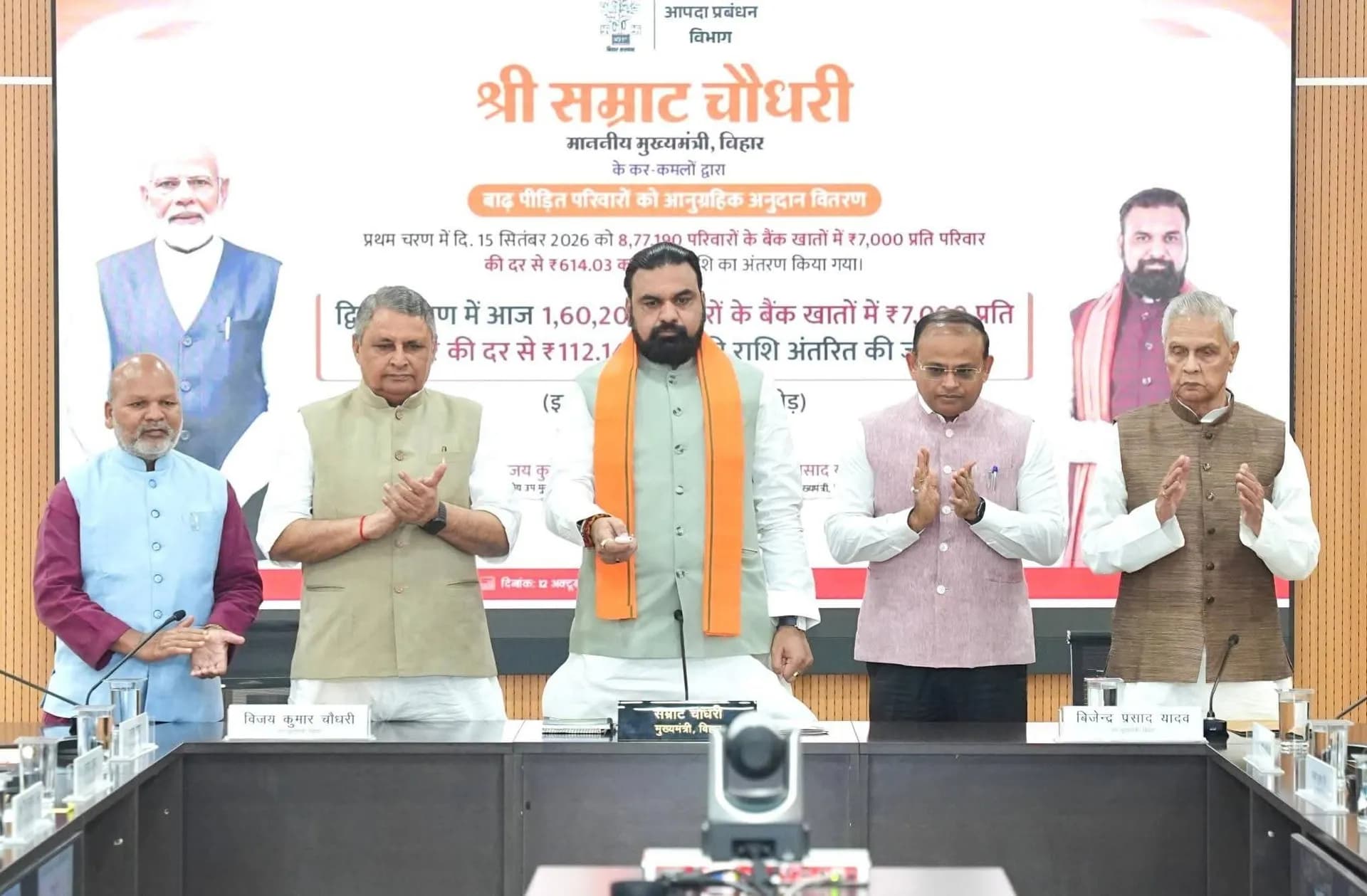
The Bihar government has transferred ₹112.14 crore in financial assistance to 160,201 flood-affected families, according to an announcement issued by the Chief Minister’s Secretariat on 12 October 2026. The assistance was transferred directly to beneficiaries’ bank accounts at a rate of ₹7,000 per family under the second phase of the relief programme.
The latest transfer follows an earlier round of assistance on 15 September, when 877,190 families received a total of ₹614.03 crore. Together, the two announced instalments indicate the scale of the state’s financial response to households affected by the 2026 floods. However, the transfers alone do not establish whether every eligible household has received assistance or whether the amount covers the full extent of individual losses.
Second Phase of Financial Assistance
The latest payment uses the direct benefit transfer system, under which assistance is sent electronically to beneficiaries’ bank accounts. The stated rate of ₹7,000 per family provides a standard amount of immediate financial support rather than compensation individually calculated for every household’s losses.
For families whose homes, stored food, agricultural land, livestock or household belongings have been affected, timely assistance can help meet immediate expenses. These may include food, medicines, temporary accommodation, transport and other essential requirements. The extent of recovery, however, will depend on the damage suffered by each household and the availability of additional support.
The two announced phases cover 1,037,391 family-payment instances when their reported beneficiary counts are added together. The combined announced transfer amount is ₹726.17 crore. These figures represent the totals stated for the two phases; they should not be interpreted as a complete assessment of every flood-affected family in Bihar.
Flood Relief Requires More Than Direct Transfers
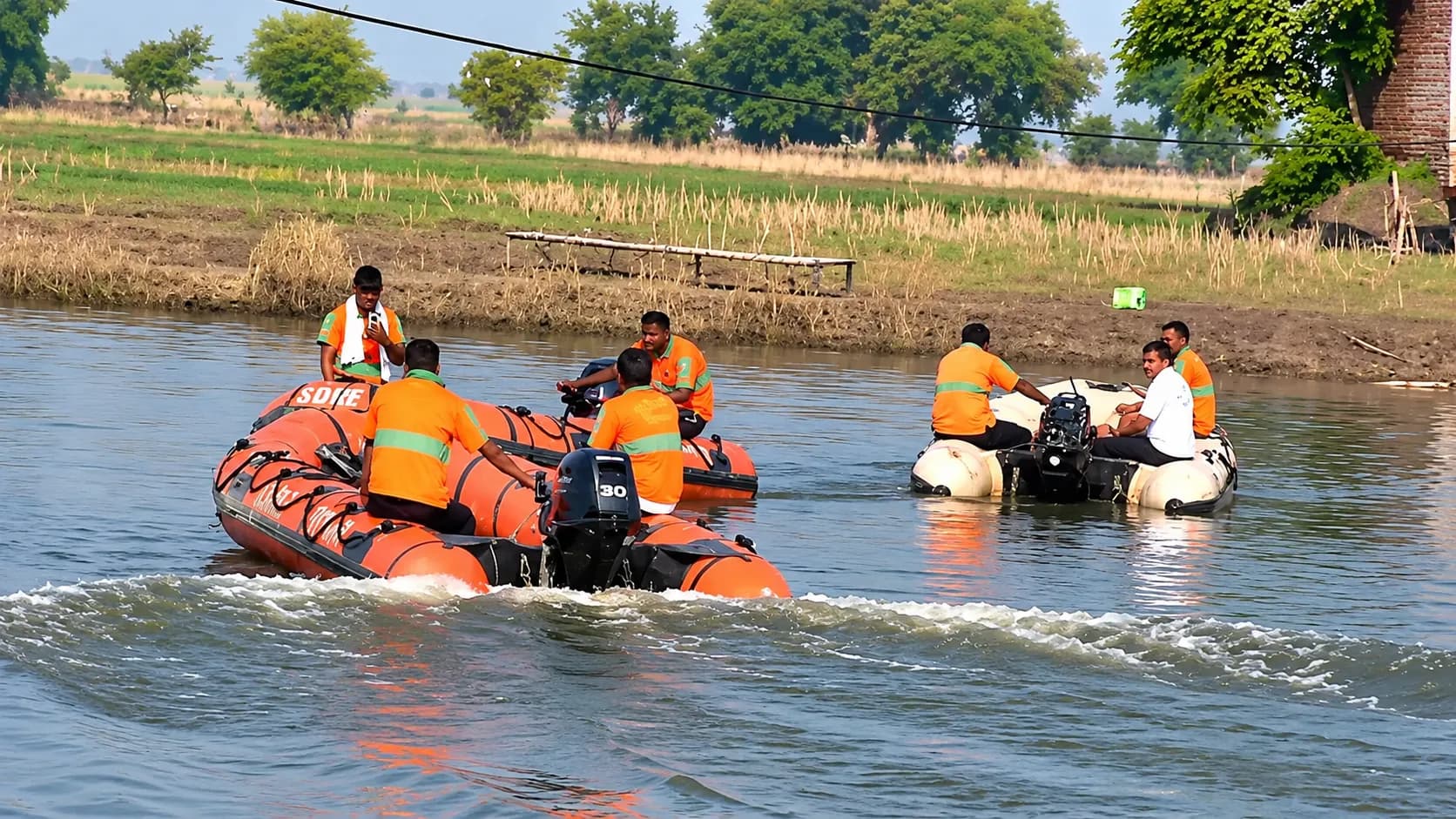
Financial assistance is only one component of flood recovery. Families may also need access to safe drinking water, healthcare, sanitation, electricity, animal fodder and temporary shelter. Where roads and local transport are damaged, reaching markets, schools and health facilities can remain difficult even after water levels begin to recede.
Agricultural recovery can present a separate challenge. Flooding may damage standing crops, erode soil, destroy stored produce and affect livestock. Farmers may require a damage assessment, access to agricultural inputs and information about applicable relief or insurance procedures. The assistance available can vary according to the nature of the loss and the relevant government scheme.
Public infrastructure also requires attention. Damaged roads, drainage systems, bridges and public buildings can disrupt local economic activity long after the immediate emergency. Assessing these losses and publishing clear restoration plans can help residents understand what work is being prioritised.
Questions of Eligibility and Delivery
A key issue for the administration is ensuring that eligible households are identified accurately and that payments reach the intended recipients. Differences in records, bank-account details or beneficiary verification can create difficulties in welfare delivery. A transparent process for checking payment status and correcting errors can help reduce delays.
Residents who believe they have been left out should seek information from the relevant local administration about the applicable eligibility rules, documentation and grievance procedure. Claims about missing payments should be assessed using beneficiary records and official responses rather than unverified social-media posts.
The government’s published figures provide an initial measure of the relief delivered. A fuller assessment would also require information about the districts and villages covered, the number of eligible families still awaiting assistance, and the process used to resolve disputed or unsuccessful transfers.
Monitoring the Recovery
The effectiveness of flood relief will depend on how quickly financial assistance reaches eligible families and whether other essential services recover alongside it. Regular public updates on beneficiary coverage, infrastructure restoration and unresolved complaints would help residents assess progress.
What’s Next?
The immediate priority is to ensure that eligible flood-affected households receive the assistance for which they qualify and can access essential services. Further official updates on relief coverage, damage assessments and rehabilitation measures will help clarify the remaining needs across affected areas.
Related Keywords
Join the discussion