
PMCH Expansion: Bihar Announces Treatment Capacity of 2,500 Beds
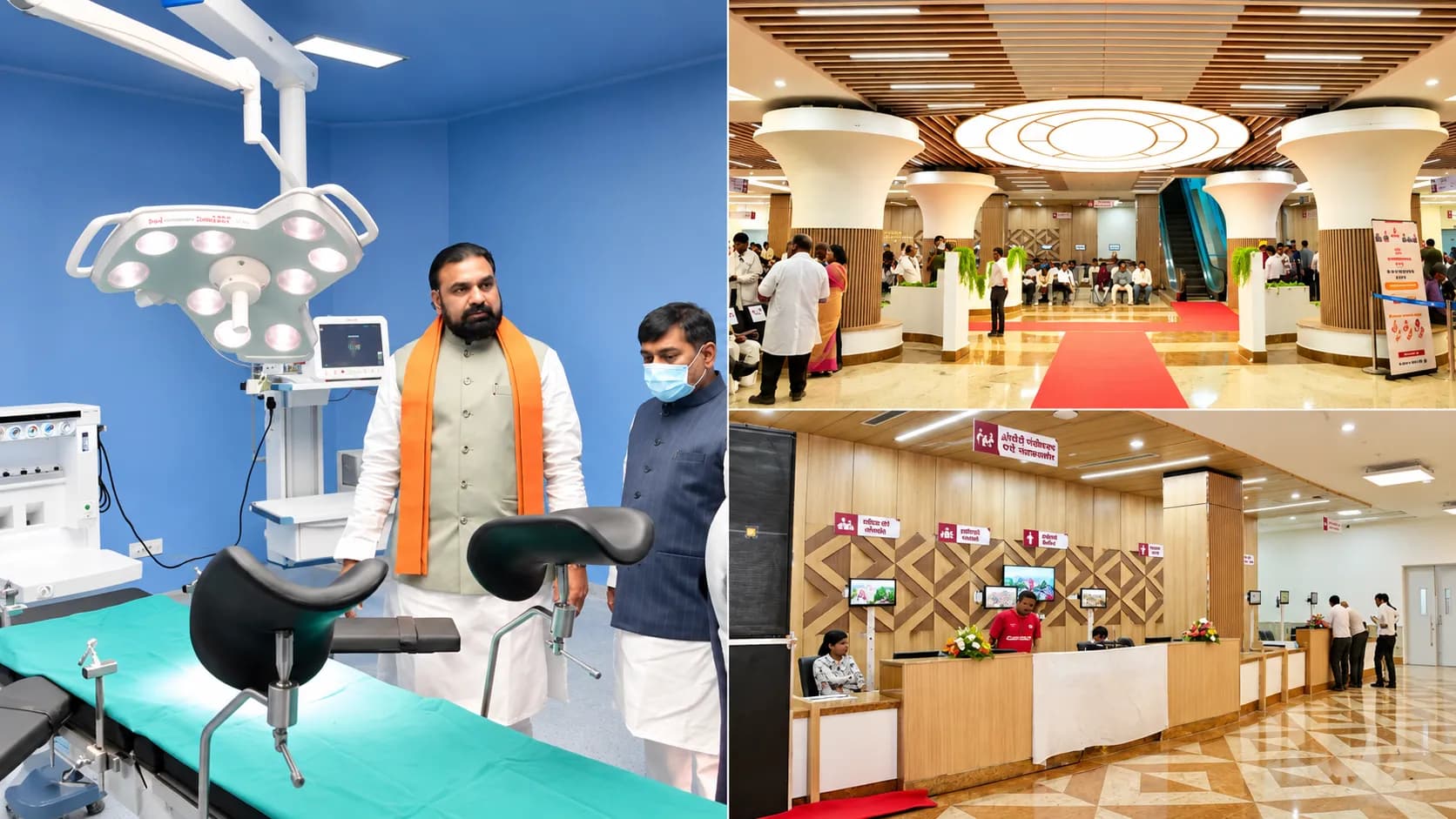
The Bihar government has announced that Patna Medical College and Hospital (PMCH) will be able to treat patients across 2,500 beds with modern medical facilities, according to a statement issued by the Chief Minister’s Secretariat on 12 October 2026. The announcement places one of the state’s major public hospitals at the centre of discussions about healthcare infrastructure and patient access.
The stated capacity is an important infrastructure indicator, but the number of beds alone does not determine how effectively a hospital serves patients. Staffing, equipment, emergency services, diagnostic facilities, medicine availability and the management of patient admissions all influence whether additional capacity translates into better access to treatment.
Why PMCH Matters to Bihar’s Health System
Patna Medical College and Hospital is a major public medical institution in Bihar. Large public hospitals can receive patients from outside their immediate urban area, particularly when people require specialist treatment or services that are not available locally.
For patients travelling from districts far from Patna, access to a public tertiary-care hospital can involve considerable expense and time. Families may need to pay for transport, food, accommodation and diagnostic services while navigating an unfamiliar hospital system. Expanding public treatment capacity can help address demand, provided the additional facilities are operational and accessible.
Large hospitals also serve multiple purposes. Alongside patient treatment, teaching hospitals train medical students and support clinical education. Their functioning therefore depends on the coordination of clinical departments, teaching facilities, laboratories, diagnostic units and administrative services.
Bed Capacity Is Only One Measure
A hospital’s stated bed capacity should be distinguished from the number of beds that are staffed, equipped and available for patients on a particular day. A facility may have physical space for a bed, but that does not automatically mean it can operate safely without sufficient nurses, doctors, support staff, equipment and supplies.
For patients, practical indicators include waiting times, emergency response, access to diagnostic tests, the availability of medicines and whether specialist departments can provide treatment when required. These measures help establish whether infrastructure investment is improving the experience of patients rather than simply increasing the size of a facility.
Public reporting on hospital performance can also help distinguish between announced capacity and operational capacity. Useful information includes the number of functioning beds, patient admissions, occupancy rates, staff vacancies, equipment availability and the time required to complete different stages of treatment.
The Importance of Staffing and Equipment
Healthcare infrastructure requires continuing investment after construction or expansion. Hospitals need maintenance budgets, dependable electricity and water, biomedical equipment servicing, infection-control systems and adequate supplies. If staffing does not keep pace with new capacity, patients may continue to face delays even when additional buildings or beds are available.
Doctors, nurses, technicians and other healthcare workers each perform roles that contribute to patient care. Recruitment, training, retention and fair distribution of personnel are therefore important elements of hospital planning. A large institution also requires effective scheduling and coordination to ensure that available staff and facilities are used efficiently.
For a public teaching hospital, the needs of patients and medical students must be considered together. Clinical departments need sufficient supervision, practical training opportunities and equipment while maintaining safe treatment standards. Improvements in these areas can strengthen both service delivery and medical education.
What Patients Need to Know
Patients and families benefit from clear information about departments, referral requirements, emergency services, outpatient registration, diagnostic facilities and applicable charges. When such information is difficult to find, people may lose time moving between counters or arranging unnecessary visits.
Public hospitals can improve accessibility through clear signage, help desks, transparent procedures and reliable information about service availability. These measures are particularly important for elderly patients, people with disabilities and families travelling from rural areas.
Infrastructure expansion should also be considered alongside the capacity of district hospitals and primary healthcare facilities. Not every medical condition requires treatment at a major teaching hospital. Stronger local services can provide initial treatment and referrals, while tertiary-care institutions concentrate on more complex cases.
What’s Next
The next important step is to establish how the announced 2,500-bed capacity translates into operational services, staffing and patient access. Published information about functioning beds, specialist departments, equipment and patient outcomes would help residents assess the practical impact of the expansion.
Related Keywords
Join the discussion