Pappu Yadav Questions Bihar Government Over Law and Order, Police Action and Governance
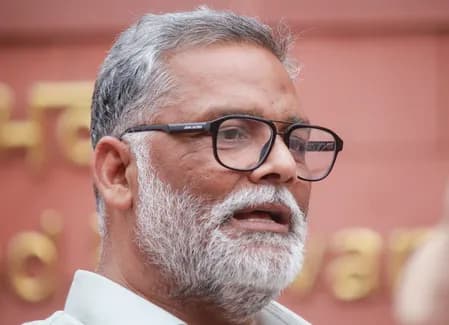
Patna: Independent Member of Parliament from Purnea, Pappu Yadav, has raised questions about Bihar's law-and-order situation and the state government's handling of recent incidents. His criticism has focused on public safety, police accountability and allegations of administrative failures.
His remarks follow several incidents that have drawn political attention, including the assault case in Jamui and the death of an excise department constable in Nalanda. These developments have prompted renewed debate over the government's responsibility to maintain public order and protect citizens.
Pappu Yadav Criticises Government Over Law and Order
Pappu Yadav has questioned whether the administration is doing enough to deter criminal activity and ensure that people feel safe. He has called attention to incidents involving violence and public safety, arguing that the authorities must take effective action against those responsible.
In September 2026, following a reported assault involving a minor girl and a young man in Jamui, Yadav criticised the state government and questioned why people were not sufficiently deterred by the law. He also raised concerns about the handling of the case and demanded accountability.
The incident triggered public concern and political reactions, with demands for a thorough investigation and appropriate legal action.
Nalanda Constable's Death Raises Further Questions
In another development, an excise department constable died following a shooting incident involving suspected liquor smugglers in Nalanda. The incident prompted Yadav to question the state's law-and-order situation and the alleged influence of liquor-related criminal networks.
According to reports published on October 15, 2026, Yadav also raised concerns about alleged links between politicians and liquor interests. These were allegations made by the MP and should not be treated as established findings without supporting evidence.
The incident has brought renewed attention to the risks faced by law-enforcement personnel and the challenges associated with enforcing Bihar's prohibition laws.
Questions Over Police Action and Accountability
Yadav has also criticised police action in politically sensitive situations. In his public comments about protests in Delhi, he described the detention of demonstrators as an attack on democratic rights and questioned the authorities' approach to peaceful dissent.
His remarks reflect broader political disagreements over the balance between maintaining public order and protecting the right to peaceful protest.
Questions surrounding police conduct require examination of the circumstances of each incident, the available evidence and any subsequent findings by the relevant authorities.
Governance and Public Safety Remain Key Issues
The incidents raised by Yadav have placed public safety and administrative accountability at the centre of political debate in Bihar.
Issues including crime prevention, the enforcement of prohibition laws, police responsiveness and the safety of women and children remain important concerns for residents. Effective investigation, transparent communication from authorities and due process are essential when serious allegations arise.
Political criticism can bring attention to these issues, but allegations against individuals or institutions must be assessed on the basis of verified facts and the outcomes of official investigations.
Conclusion
Pappu Yadav's criticism of the Bihar government highlights continuing political debate over law and order, police accountability and governance. His statements following the Jamui and Nalanda incidents have renewed calls for public safety measures and action against those found responsible for criminal offences.
As the debate continues, the handling of investigations, the protection of citizens and accountability under the law will remain important measures by which the government's response is assessed.
This article summarises reported statements and allegations. Claims concerning criminal conduct or political connections should be distinguished from facts established through investigation or judicial proceedings.