Nitish Kumar's INDIA Bloc Exit: JD(U) Leader Ashok Choudhary Blames Mamata Banerjee's Opposition to Caste Census
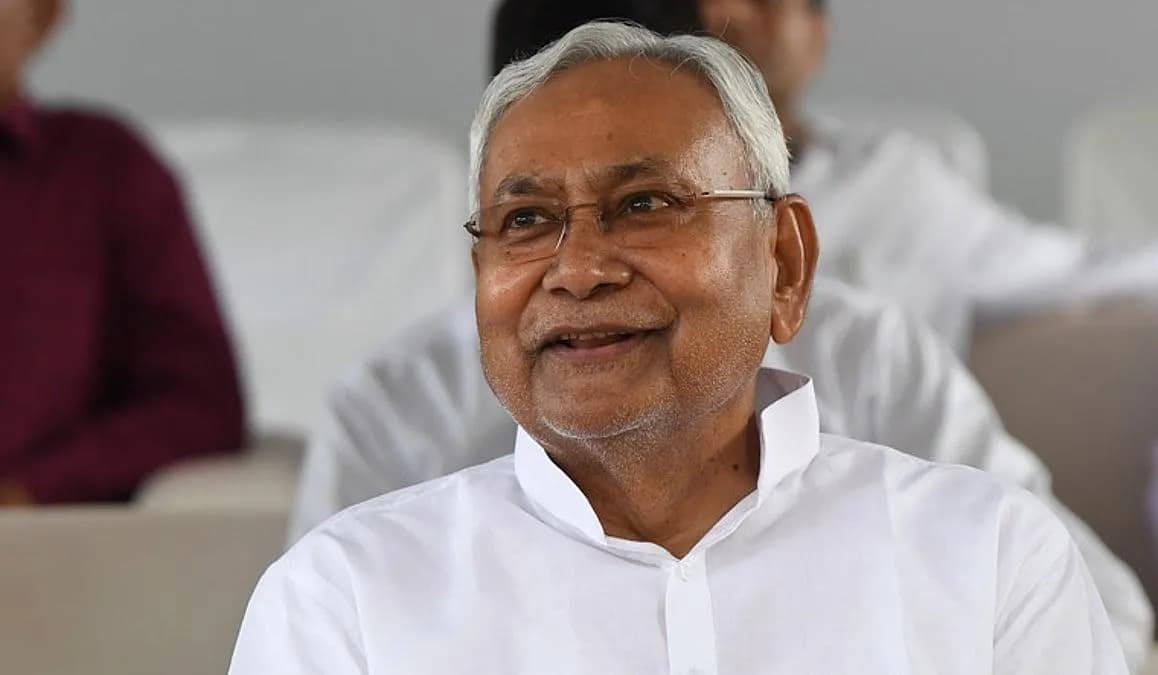
A fresh political controversy has emerged in Bihar after senior Janata Dal (United) leader Ashok Choudhary claimed that former Bihar Chief Minister Nitish Kumar became disillusioned with the opposition INDIA bloc because of disagreements over the caste census issue. Choudhary alleged that Trinamool Congress chief Mamata Banerjee opposed Kumar's proposal to make the caste census a central agenda of the opposition alliance.
Speaking to reporters on November 12, 2026, Choudhary responded to questions about Congress leader Sonia Gandhi's recently published memoir, Belonging: A Journey of Love. In the book, Gandhi reportedly described Nitish Kumar's departure from the INDIA bloc as an abrupt decision and suggested that he had been looking for an opportunity to leave the alliance.
JD(U) Defends Nitish Kumar's Role in Forming INDIA Bloc
Rejecting the criticism of Nitish Kumar, Ashok Choudhary highlighted his contribution to bringing opposition parties together before the 2024 Lok Sabha elections.
According to Choudhary, Nitish Kumar travelled to different parts of the country, including Odisha and West Bengal, to persuade regional leaders Naveen Patnaik and Mamata Banerjee to join efforts to form an opposition alliance against the BJP.
He also pointed out that Nitish Kumar hosted the first major meeting of opposition leaders in Patna in June 2023. Choudhary argued that Kumar played a significant role in initiating the discussions that eventually led to the formation of the INDIA bloc.
Caste Census Disagreement at Mumbai Meeting
Choudhary identified the disagreement over the caste census as a major reason behind Nitish Kumar's growing dissatisfaction with the alliance.
He claimed that during the INDIA bloc's Mumbai meeting in September 2023, Nitish Kumar proposed making the caste census one of the alliance's principal political agendas. However, according to Choudhary, Mamata Banerjee strongly opposed the proposal.
The disagreement reportedly contributed to Kumar's growing disappointment with the alliance. Choudhary maintained that these developments were documented and could be verified.
The caste census issue had already become an important political subject, particularly after Bihar conducted its caste-based survey under Nitish Kumar's government.
Sonia Gandhi's Memoir Triggers Fresh Political Debate
The controversy follows the publication of Sonia Gandhi's memoir, Belonging: A Journey of Love, in which she discussed Nitish Kumar's departure from the INDIA bloc in January 2024.
Gandhi reportedly described his departure as an unexpected setback for the opposition alliance and suggested that his return to the BJP-led National Democratic Alliance had been planned.
The JD(U) strongly objected to this portrayal. Party leaders argued that Nitish Kumar had been instrumental in bringing opposition parties together and that his decision to leave was influenced by disagreements among alliance partners and their political interests.
The memoir has consequently triggered a fresh exchange between Congress and JD(U) leaders over the history of the opposition alliance and the circumstances surrounding Nitish Kumar's political shift.
Political Significance for Bihar
The latest exchange highlights the continuing political differences between JD(U) and Congress over the formation and functioning of the INDIA bloc.
It also brings the caste census issue back into the political discussion. Bihar's caste-based survey had been a significant initiative during Nitish Kumar's tenure and became an important subject in discussions about social justice, political representation and welfare policies.
With Ashok Choudhary defending Nitish Kumar's contribution and Congress's account receiving criticism from JD(U), the controversy has added another dimension to the political relationship between the two parties.
The central disagreement now concerns how much responsibility the opposition alliance's internal differences played in Nitish Kumar's departure and how the caste census issue influenced that decision.