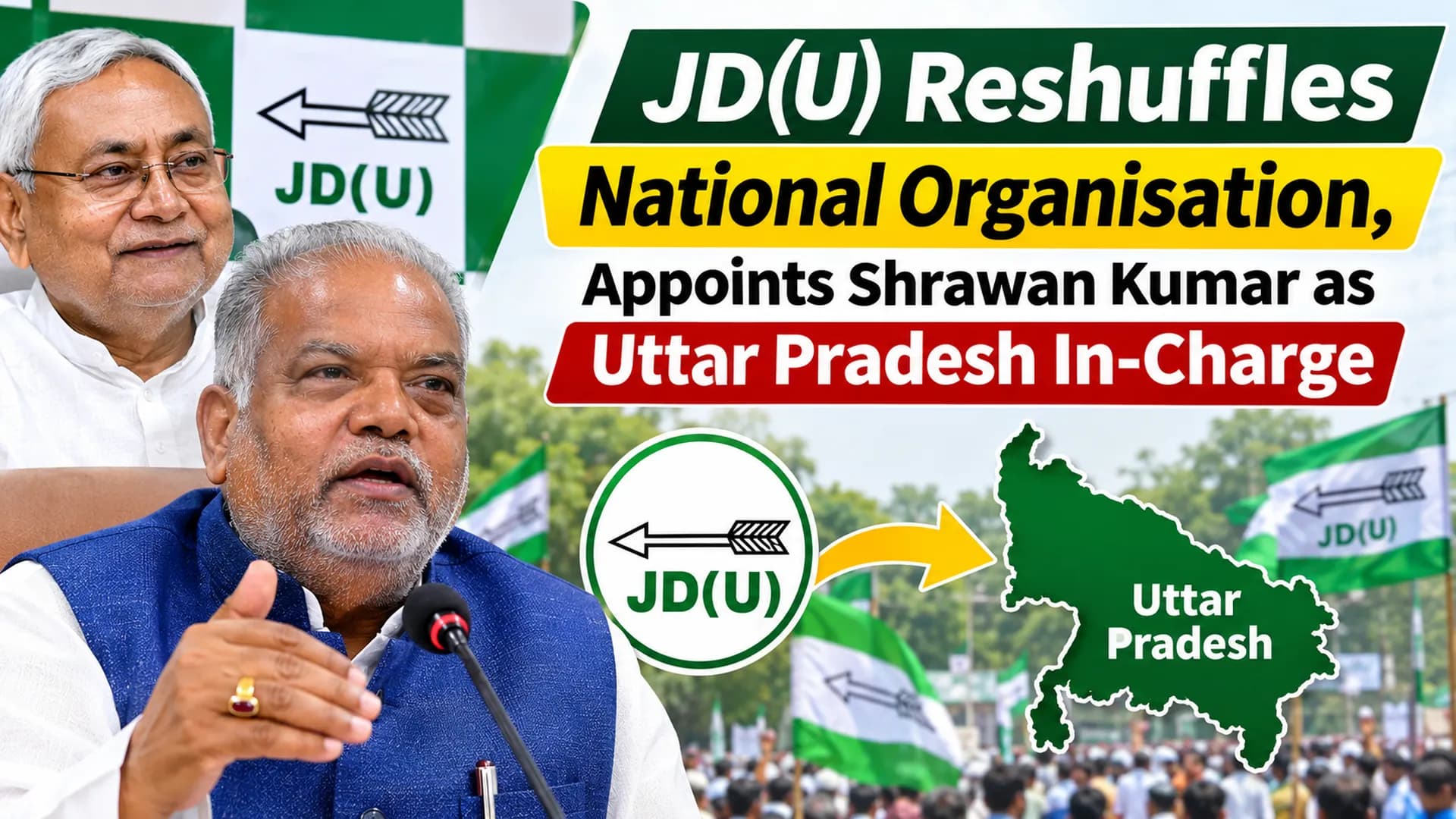
JD(U) Reshuffles National Organisation, Appoints Shrawan Kumar as Uttar Pradesh In-Charge
The Janata Dal (United) [JD(U)] has announced changes in its national organisation, assigning new responsibilities to office-bearers and several party functionaries across different states.
The organisational changes announced on November 17, 2026, include appointments to state units, national organisational positions and party wings.
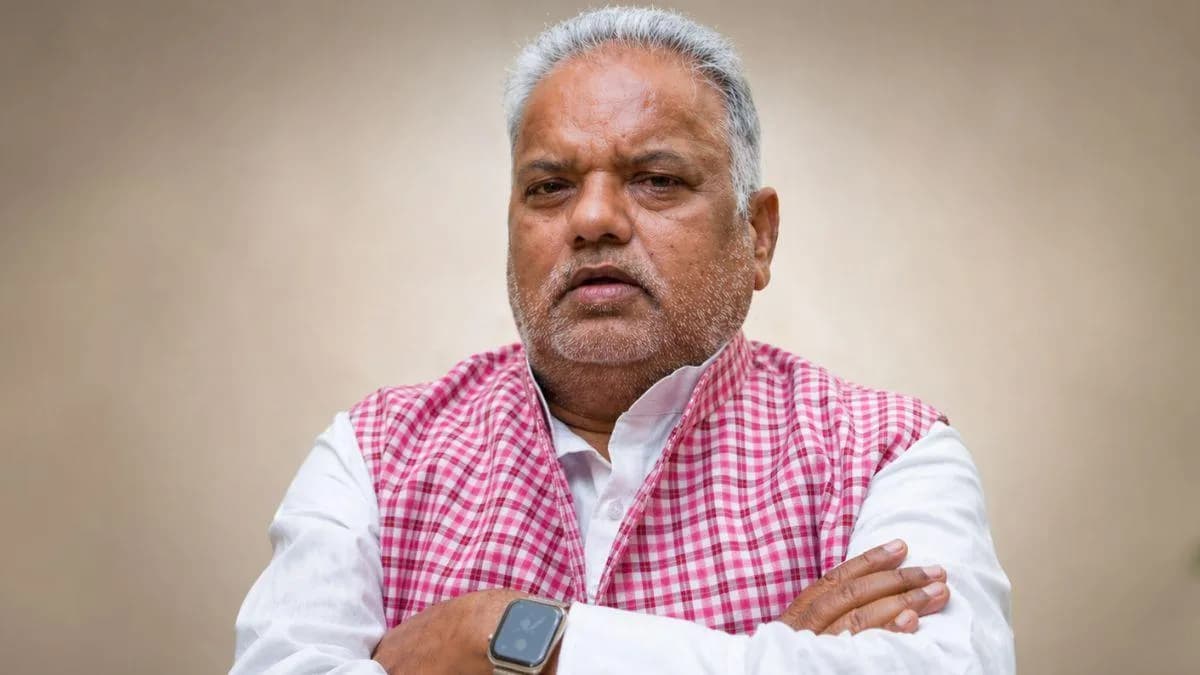
Bihar Rural Development Minister and JD(U) leader Shrawan Kumar has been appointed as the party's in-charge for Uttar Pradesh, while former MLA Ramesh Singh Kushwaha has been named co-in-charge.
The announcement also assigns responsibilities for several other states, including Maharashtra, Jharkhand, Odisha, Haryana, Punjab, Karnataka, Assam and West Bengal.
The list was announced by the party's national general secretary and MLC, Afaque Ahmad Khan.
Shrawan Kumar Given Uttar Pradesh Responsibility
The appointment of Shrawan Kumar as Uttar Pradesh in-charge is among the prominent changes in the new organisational structure.
Ramesh Singh Kushwaha will assist him as co-in-charge.
The appointment places two Bihar-based leaders in charge of coordinating the party's organisational responsibilities in Uttar Pradesh.
The announcement comes ahead of the upcoming Uttar Pradesh Assembly elections. However, the appointment itself does not specify the party's final electoral strategy, alliance arrangements or the number of constituencies it may contest.
New Responsibilities Across Several States
The reshuffle includes assignments for leaders who will coordinate the party's activities in different states.
General secretary Shyam Rajak has been assigned responsibility for Maharashtra, while MLA Ramsewak Singh will look after Jharkhand.
Former MP Aneel Prasad Hegde has been appointed co-in-charge of the northeastern states.
Afaque Ahmad Khan has been given responsibility for the party headquarters, the northeastern states and Jammu and Kashmir.
Former minister and MLA Shailendra Kumar has been relieved of his responsibility as Delhi unit president and appointed national secretary with charge of Punjab.
Other appointments include Raj Singh Mann for Haryana and Manish Kumar Verma for Odisha. Former MLA Sunil Kumar has been assigned responsibility for Delhi, while Sudhir Banka has been appointed president of the Madhya Pradesh unit.
Changes in National Office-Bearers and Party Wings
The reshuffle also covers the party's national office-bearers and organisational wings.
Former MP Chandeshwar Prasad Chandravanshi has been assigned responsibility for the Extremely Backward Classes (EBC) wing.
Former MLA Ashok Ram has been named president of the Scheduled Castes and Scheduled Tribes wing.
Former MP Maulana Ghulam Rasool Balyawi has been given responsibility for the minority wing.
Former MP Kahkeshan Parveen has been assigned the women's wing, while Nivedita Kumari has been appointed its co-in-charge.
Rajeev Ranjan Prasad has been elevated from national secretary to general secretary and appointed national spokesperson and head of the party's media wing.
The national media panel will include Nikhil Mandal, MLA Komal Singh and Shalini Patel.
The new structure also assigns responsibilities to leaders in Madhya Pradesh, Chhattisgarh, Tamil Nadu, Karnataka, Assam and West Bengal.
What the Reshuffle Means for JD(U)'s Organisation
The announcement gives the party a revised distribution of responsibilities across its national organisation.
Instead of concentrating assignments only within Bihar, the new list places leaders in charge of several state units and organisational wings.
For Bihar, the development is relevant because several senior leaders from the state have been assigned responsibilities beyond its borders.
Shrawan Kumar's Uttar Pradesh appointment is particularly notable because it connects a senior Bihar minister with the party's organisational work in a neighbouring state.
The reshuffle also covers specialised organisational wings, including the EBC, SC/ST, minority and women's units.
What to Watch Next
The next developments will include how the newly appointed in-charges coordinate with their respective state units, what organisational programmes they announce and whether further changes are made ahead of upcoming elections.
The reshuffle is an organisational announcement rather than an electoral alliance or candidate-selection decision.
Its practical impact will become clearer through the party's subsequent activities in the states where new responsibilities have been assigned.
Related Keywords
All tagsJoin the discussion