Muzaffarpur Leather Cluster Opens: What Samrat Choudhary’s Industrial Push Could Mean for Bihar
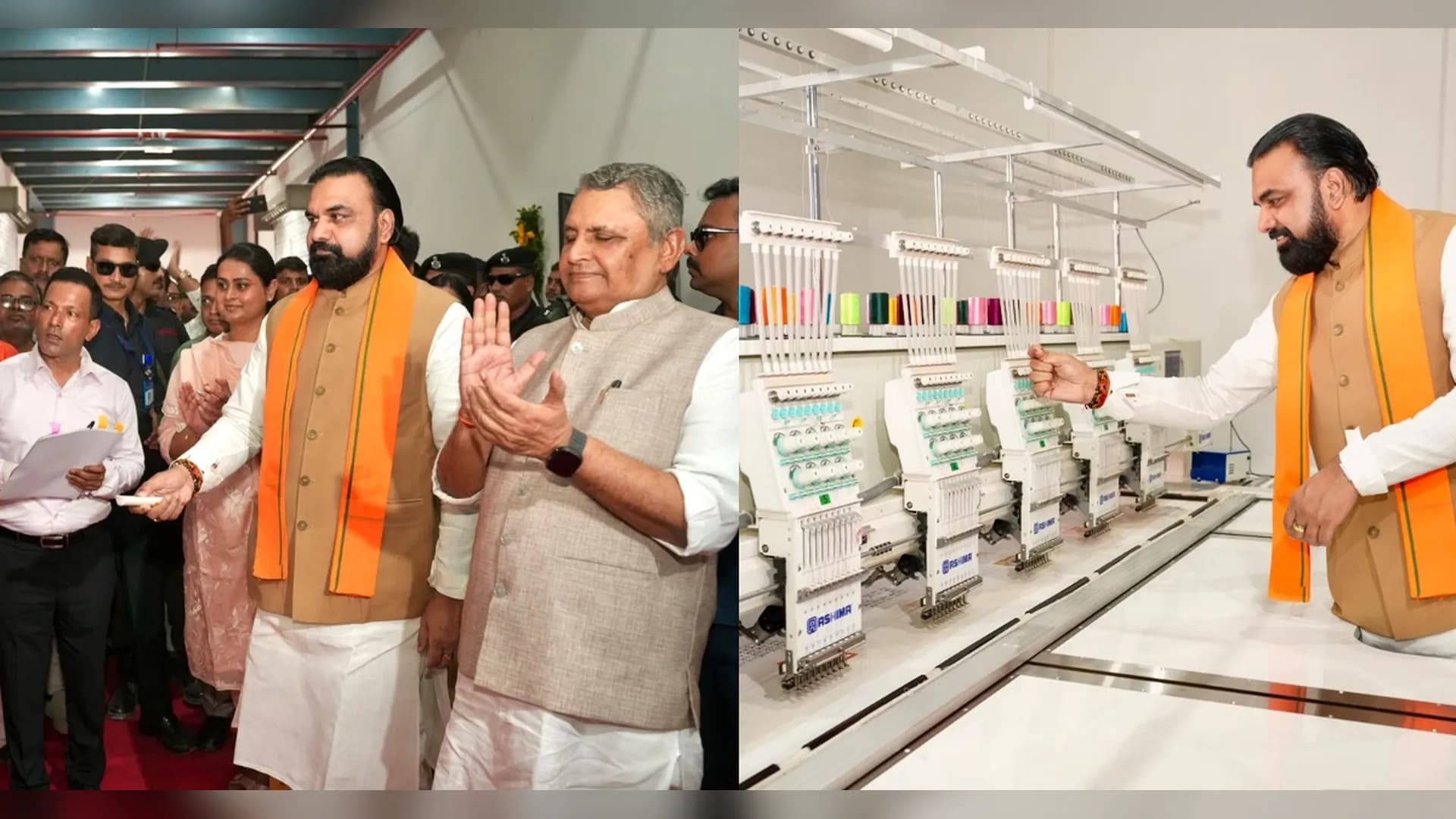
Bihar Chief Minister Samrat Choudhary inaugurated a mega leather, footwear and accessories cluster in Muzaffarpur, according to a report published on October 17, 2026. The project was reported to have been completed at a cost of ₹140.95 crore.
The inauguration gives the state government an opportunity to highlight its approach to industrial development and employment generation. For Bihar, the larger question is whether industrial facilities can support sustained business activity and create accessible employment opportunities within the state.
The project also provides a practical way to assess the difference between infrastructure investment and the economic outcomes expected from it.
What Is the Muzaffarpur Project?
The facility is described as a leather, footwear and accessories cluster. Such industrial clusters can bring related manufacturing activities together and provide a shared setting for businesses, production facilities and associated services.
The benefits depend on how the facility operates, the businesses that use it and the availability of essential infrastructure. Access to transport, electricity, skilled workers, suppliers and markets can influence whether an industrial cluster becomes commercially sustainable.
The reported project cost of ₹140.95 crore indicates the scale of the investment described in the report. However, the expenditure figure alone does not establish how many businesses will operate at the facility or how many jobs it will generate.
Samrat Choudhary’s Employment Message
During the inauguration, Choudhary reportedly said that the government aims to provide employment opportunities to Bihar residents within the state before 2030.
The statement places employment generation within the government’s wider development message. It also creates a benchmark against which future progress can be assessed.
A target is not the same as a completed outcome. To understand whether the objective is being achieved, residents will need information about new businesses, job vacancies, recruitment, wages and the number of people employed through industrial initiatives.
The Data-Centre Investment Claim
The report also attributed to Choudhary a statement about potential investment of approximately ₹10 lakh crore in the data-centre sector.
This figure should be treated as a reported statement about potential investment, not as confirmed money already invested in Bihar. Potential investment, signed agreements, approved projects and operational facilities are different stages of the investment process.
The distinction matters because large investment projections can attract public attention, but their economic impact depends on whether proposals progress into funded projects and operating businesses.
The state government would need to clarify the proposed projects, investment timelines, infrastructure requirements and expected employment effects to allow the public to assess the claim.
Why Industrial Development Matters for Bihar
Industrial development can diversify an economy by creating opportunities beyond traditional sectors. Manufacturing clusters may support direct employment as well as demand for transport, packaging, maintenance, logistics and other services.
However, the benefits are not automatic. Industrial facilities need reliable infrastructure, commercially viable production, access to markets and a workforce with the required skills.
Local businesses may also need access to finance and support to become suppliers or service providers. The distribution of opportunities across districts can influence whether development is concentrated in a few locations or reaches a wider population.
For Muzaffarpur, the relevant question is whether the cluster attracts sustained industrial activity and creates opportunities for local residents.
What Happens Next?
The next stage is to establish the facility’s operational status, the businesses using it and the employment opportunities actually created.
Further details about funding, capacity, participating companies and implementation milestones would help distinguish the project’s planned benefits from its measured outcomes.
The inauguration is a documented milestone, but it is only one stage in the wider process of industrial development.
For the Samrat Choudhary government, the project offers an opportunity to demonstrate progress on its employment agenda. For residents, the key measure will be whether investment translates into stable work, stronger local businesses and long-term economic activity.
Related Keywords
Join the discussion