JD(U) Chief Umesh Kushwaha Raises Concerns After Two Independent MLCs Back BJP
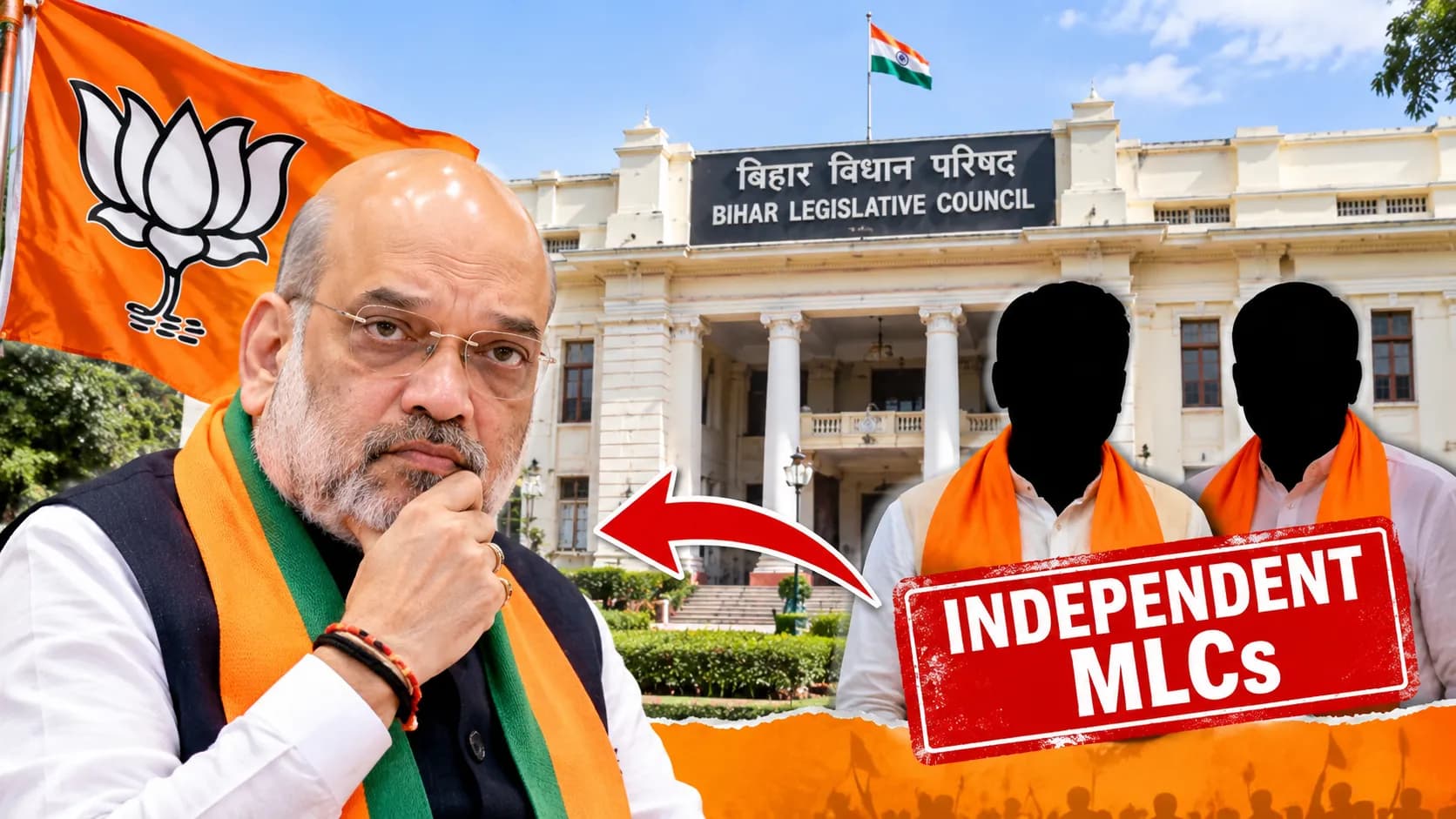
A fresh political disagreement has emerged within Bihar's ruling National Democratic Alliance (NDA) after two newly elected Independent Members of the Legislative Council (MLCs), Bansidhar Brajwasi and Rahul Raj, extended support to the Bharatiya Janata Party (BJP).
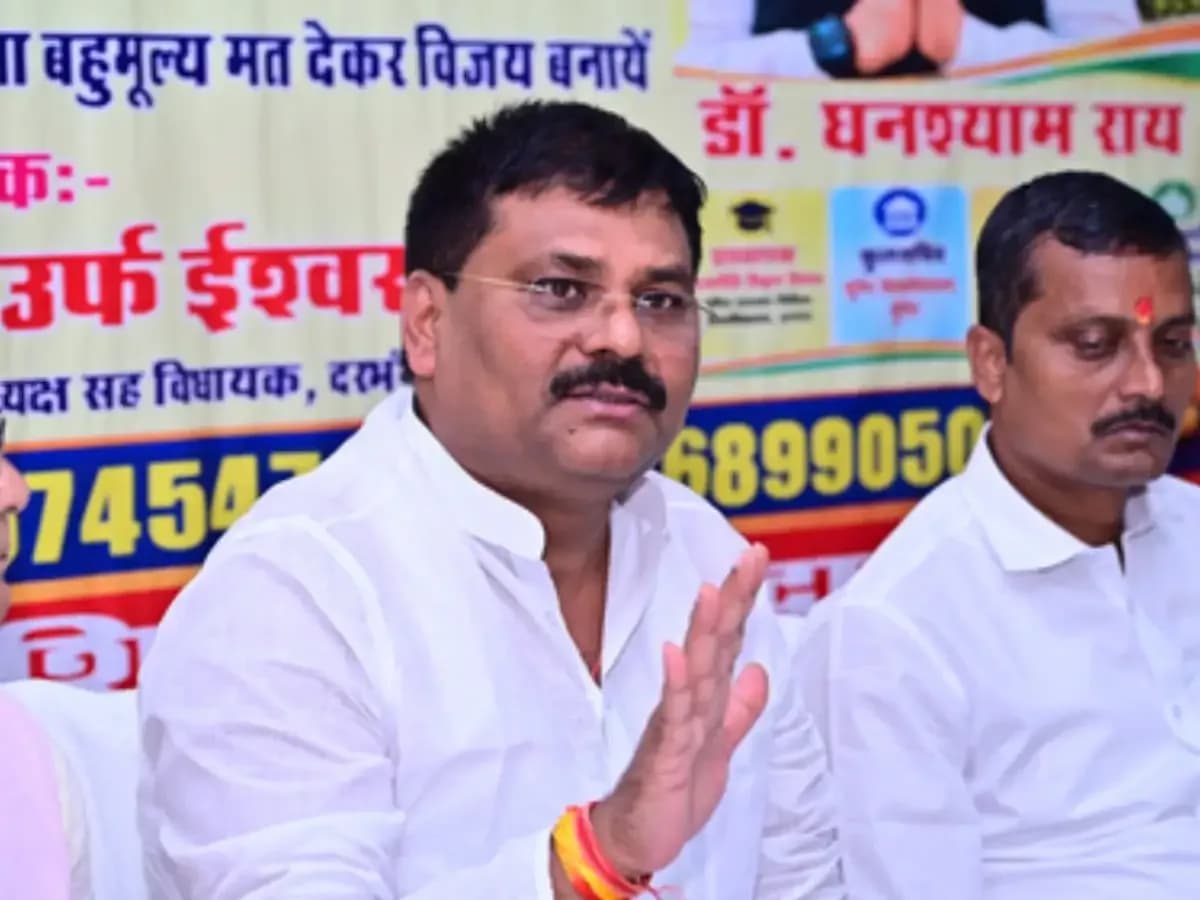
The development has raised concerns within the Janata Dal (United), particularly because both legislators defeated JD(U)-backed candidates in the recent Bihar Legislative Council elections. JD(U) state president Umesh Singh Kushwaha has questioned the political implications of the BJP's decision to welcome the two legislators.
Umesh Kushwaha Expresses Concern Over BJP's Decision
Speaking in Patna, JD(U) state president Umesh Singh Kushwaha described the development as a matter of concern for the NDA.
He pointed out that the BJP had taken disciplinary action against some leaders in recent months, but some of them had reportedly returned to the party within a short period.
Kushwaha said the BJP's leadership should reflect on the situation, stressing that developments within one alliance partner could have implications for the wider NDA.
His remarks indicate unease within the JD(U) over the political handling of the two Independent MLCs.
Two Independent MLCs Defeated JD(U)-Backed Candidates
Bansidhar Brajwasi won the Tirhut Graduates' constituency, defeating JD(U) candidate Abhishek Jha by 9,147 votes.
Rahul Raj won the Saran Teachers' constituency, defeating JD(U)'s Anand Pushkar by 1,815 votes.
Both constituencies had been contested by JD(U) as part of the NDA's seat-sharing arrangement for the Legislative Council elections.
Their subsequent decision to support the BJP has therefore become a sensitive issue within the alliance.
BJP's Position on the Two Legislators
The BJP initially announced that Brajwasi and Rahul Raj had joined the party. Both legislators were welcomed by senior BJP leaders and attended a party legislative meeting in Patna.
However, following the controversy, the BJP maintained that the two legislators had only extended support to the party rather than formally joining it.
This distinction has become important because Opposition parties have raised questions under the anti-defection provisions of the Constitution.
Discontent Among JD(U) Leaders After MLC Election Results
The controversy has also brought attention to complaints made by JD(U) leaders following the election results.
Abhishek Jha alleged that NDA partners had not adequately supported his campaign in the Tirhut Graduates' constituency. He also questioned the circumstances surrounding his defeat.
JD(U) leader Devesh Chandra Thakur supported the concerns raised by Jha and questioned the coordination among alliance partners during the election campaign.
A planned joint press conference involving Jha and Anand Pushkar was reportedly cancelled after discussions with senior JD(U) leaders, including working president Sanjay Jha and Bihar Chief Minister Samrat Choudhary.
The JD(U) has scheduled a meeting of party leaders for November 5 to discuss the election results.
Anti-Defection Controversy Adds Another Dimension
The support extended by the two Independent MLCs has also become part of a wider political and constitutional dispute.
Opposition parties, including the RJD and Jan Suraaj, have questioned whether the legislators' actions attract disqualification under the Tenth Schedule of the Constitution.
The BJP and the two MLCs have maintained that they have extended political support rather than formally joined the party. The question of disqualification would depend on the facts and the decision of the competent authority.
NDA Coordination Under Scrutiny
The developments have brought the relationship between the BJP and JD(U) into focus. Although both parties remain partners in the NDA government, the MLC election results and the subsequent support extended by the two Independent legislators have generated questions about coordination and mutual political support.
The JD(U)'s November 5 meeting is expected to provide an opportunity for party leaders to discuss the election results and their concerns.
For now, the episode has added a new issue to Bihar's political debate, involving alliance coordination, Legislative Council representation and the interpretation of anti-defection provisions.