Anant Singh's Political Rift With JD(U) Deepens After Six-Year Expulsion and Supreme Court Setback
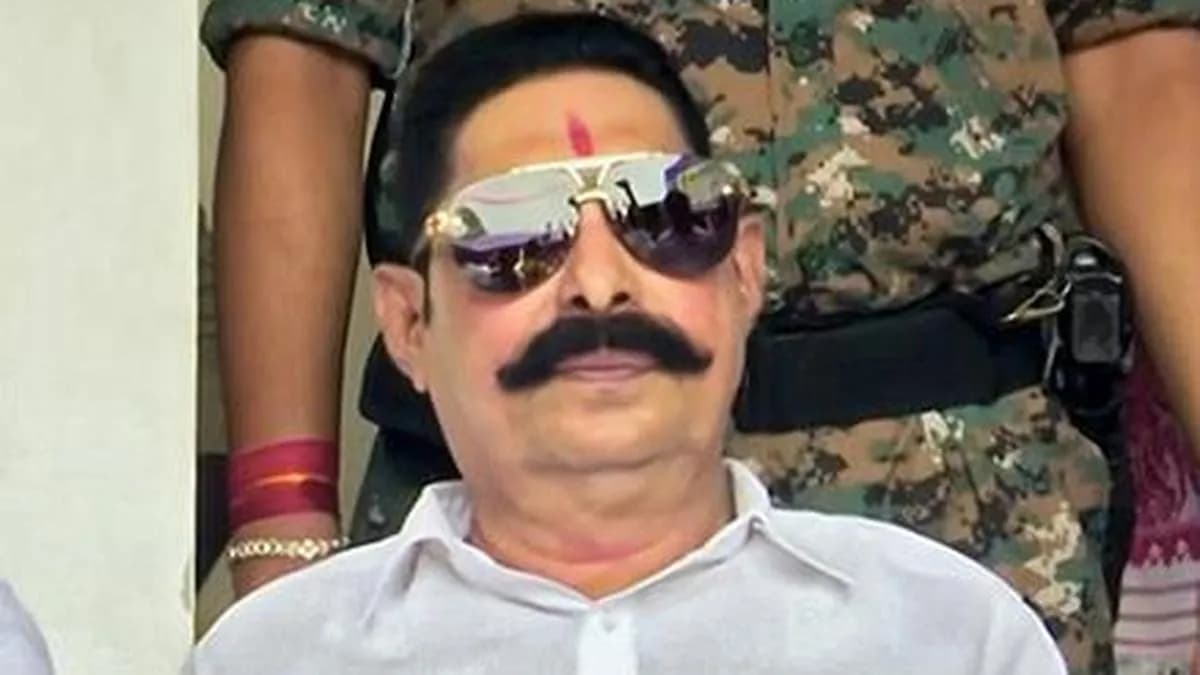
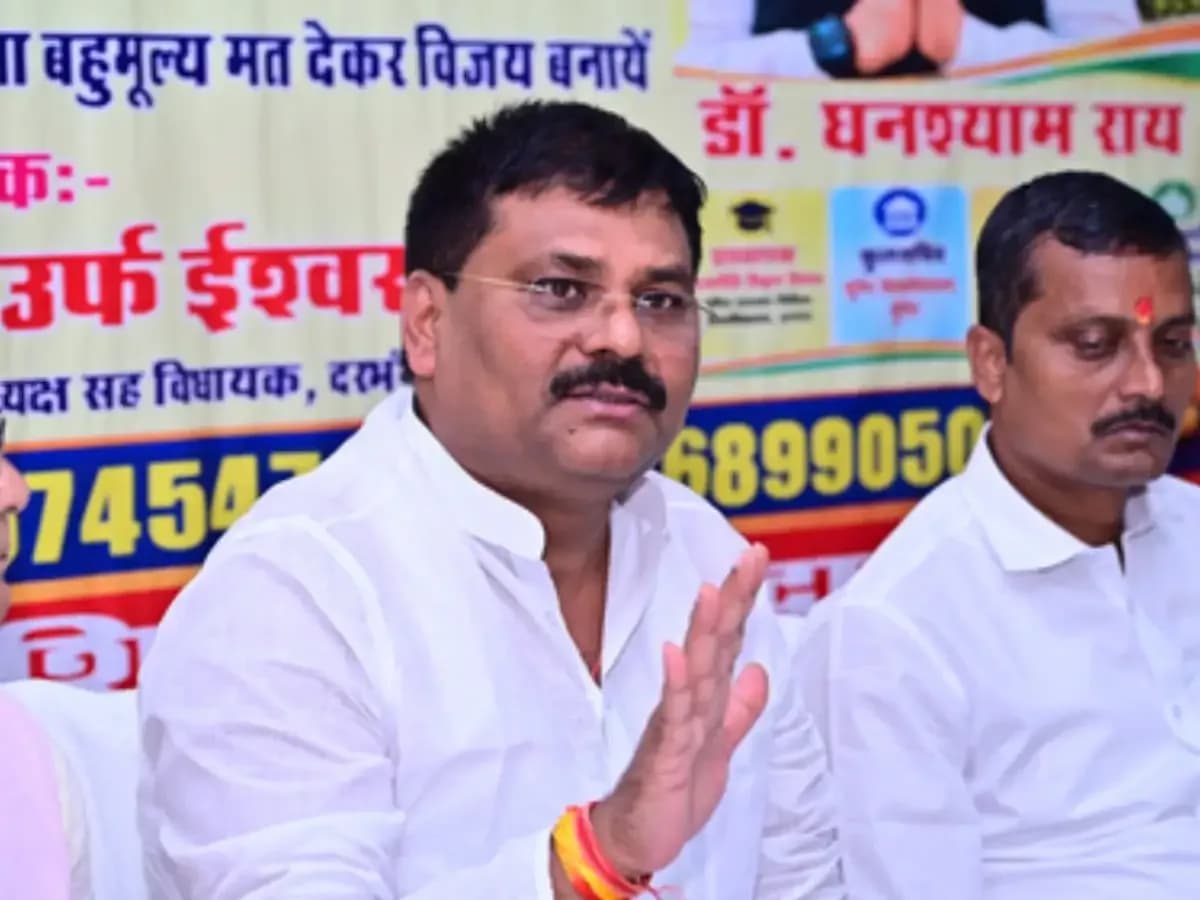
Bihar politics witnessed another major development in October 2026 after the Janata Dal (United) expelled Mokama MLA Anant Kumar Singh and his wife, former MLA Neelam Devi, for six years over alleged anti-party activities.
The action followed Singh's decision to support Jan Suraaj candidate Anuj Singh against the JD(U)'s official candidate in the recent Bihar Legislative Council elections. The party also approached the Bihar Assembly Speaker seeking action concerning Singh's Assembly membership.
Adding to his political and legal challenges, the Supreme Court cancelled the bail granted to Singh in the Dularchand Yadav murder case on October 30 and directed him to surrender by December 1, 2026.
JD(U) Expels Anant Singh and Neelam Devi for Six Years
On October 24, the JD(U) announced the expulsion of Anant Singh and Neelam Devi for six years over alleged anti-party activities.
According to the party, Singh had openly defied its instructions by campaigning for Jan Suraaj candidate Anuj Singh in the Patna Graduates' constituency Legislative Council election instead of supporting the JD(U)'s official nominee, Neeraj Kumar.
Singh reportedly participated in campaign activities and supported the rival candidate despite the party's position. The JD(U) treated his actions as a violation of party discipline.
The party also sought the Speaker's intervention regarding Singh's Assembly membership under the anti-defection provisions of the Constitution.
Dispute With JD(U) Leader Neeraj Kumar
The political disagreement between Anant Singh and JD(U) MLC Neeraj Kumar has been a longstanding one.
During the Legislative Council election campaign, Singh openly opposed Neeraj Kumar and supported Anuj Singh of Jan Suraaj. The dispute was linked to their earlier political rivalry in the Mokama constituency.
Neeraj Kumar won the Patna Graduates' constituency for a fourth consecutive term. Singh's decision to campaign against his party's official nominee became a central reason cited by the JD(U) for disciplinary action.
Supreme Court Cancels Bail in Dularchand Yadav Murder Case
On October 30, the Supreme Court cancelled the bail granted to Anant Singh by the Patna High Court in the Dularchand Yadav murder case.
A Bench of Justices M. M. Sundresh and Prasanna B. Varale directed Singh to surrender by December 1, 2026. The Supreme Court also instructed Bihar Police to complete the investigation within four months.
The case relates to the death of Dularchand Yadav, a Jan Suraaj supporter who was killed during the Bihar Assembly election campaign in October 2025 in the Mokama area.
Singh was arrested on November 1, 2025, in connection with the case. The Patna High Court granted him bail in March 2026, but the order was subsequently challenged before the Supreme Court by Yadav's grandson.
The allegations against Singh remain subject to the ongoing criminal proceedings and must be distinguished from a finding of guilt.
Anant Singh Says He Will Surrender
Following the Supreme Court's order, Anant Singh said he would comply with the direction and surrender by December 1.
He expressed faith in the judiciary but also alleged that JD(U) MLC Neeraj Kumar had conspired against him in connection with the murder case.
Neeraj Kumar rejected Singh's allegations and denied involvement in the legal proceedings seeking cancellation of bail.
Political Implications for JD(U) and Mokama
The expulsion of Anant Singh and Neelam Devi has brought attention to internal party discipline within the JD(U). The party's decision to seek action concerning Singh's Assembly membership has also opened a separate constitutional question.
Meanwhile, the Supreme Court's order has added a significant legal development to Singh's political situation.
The coming weeks will be important for the next steps in the Assembly disqualification proceedings and the criminal investigation. The developments have placed Anant Singh's political position in Mokama and his relationship with the JD(U) under renewed scrutiny.