Bihar’s October 23 MLC Elections: Why the JD(U) Dispute Could Reshape the Political Contest
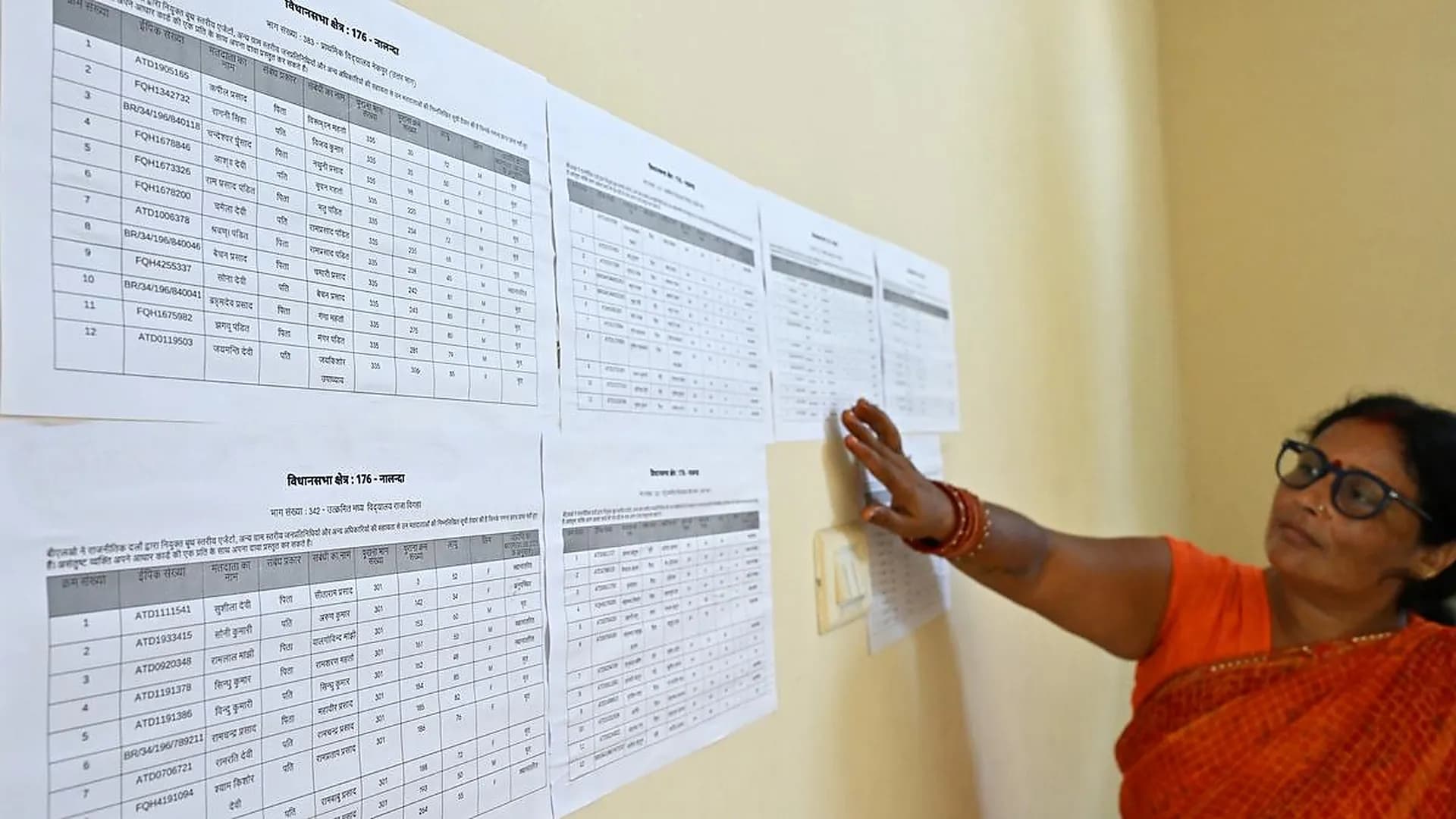
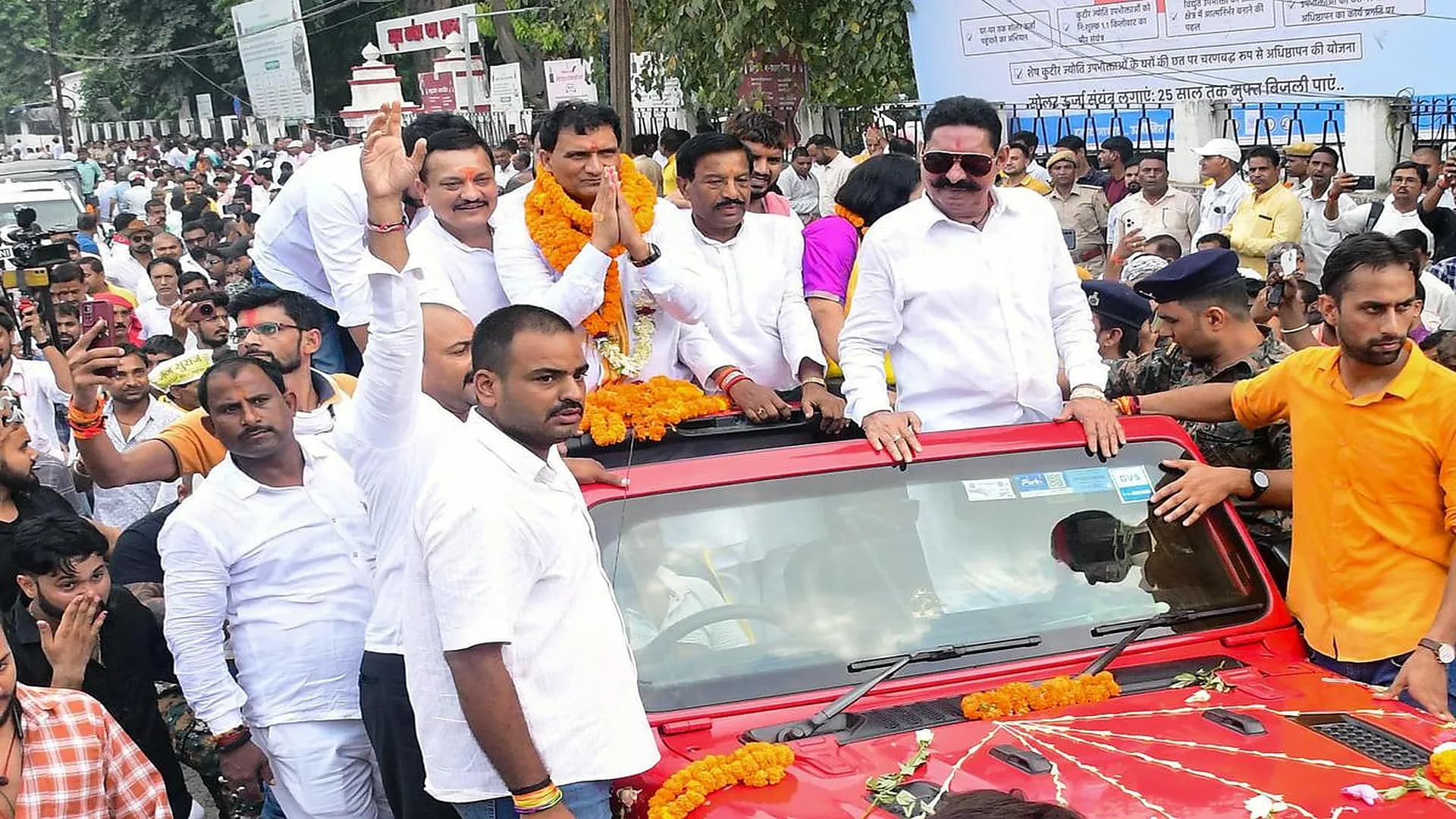
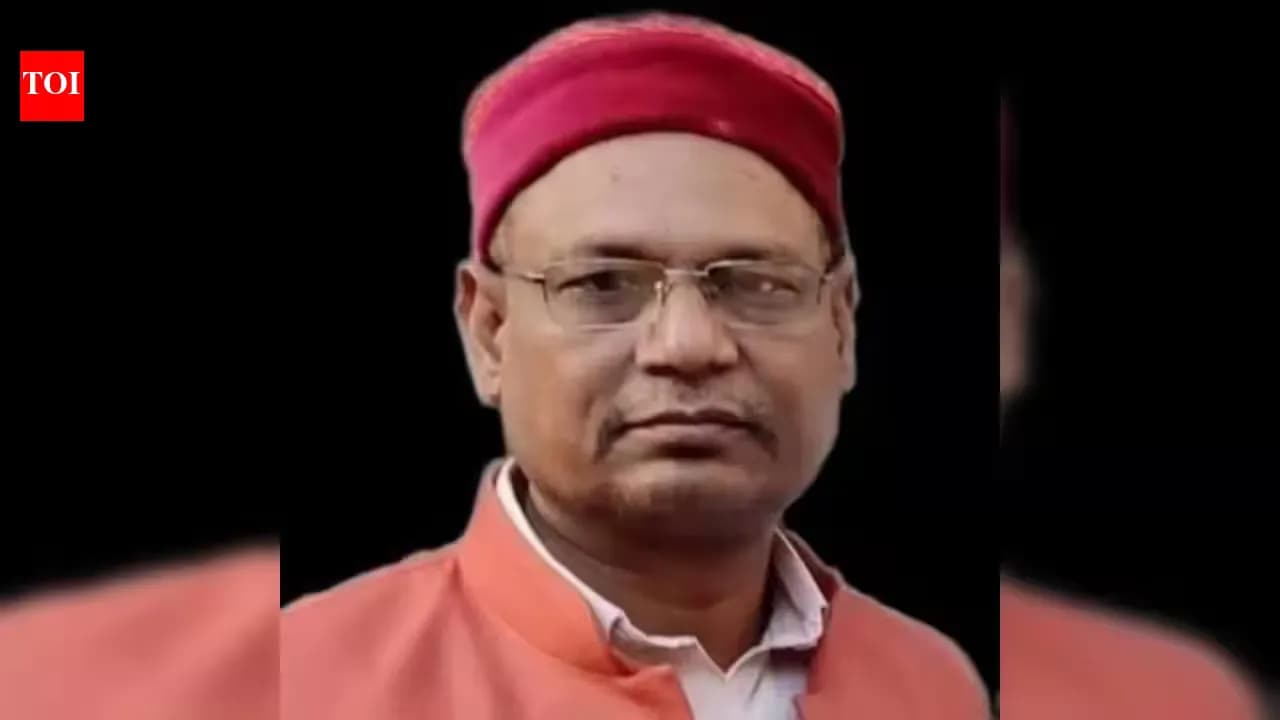
Bihar’s Legislative Council elections scheduled for October 23, 2026, have become a test of political coordination, particularly for the Janata Dal (United). The contest for the Patna Graduates’ constituency has attracted attention because of a dispute involving the party’s official candidate, Neeraj Kumar, and Mokama MLA Anant Singh.
The disagreement has created an unusual political situation in which differences within the same party are influencing the campaign. Rather than focusing exclusively on competition between the ruling alliance and the opposition, political observers are also watching whether the JD(U) can manage its internal disagreements before voting.
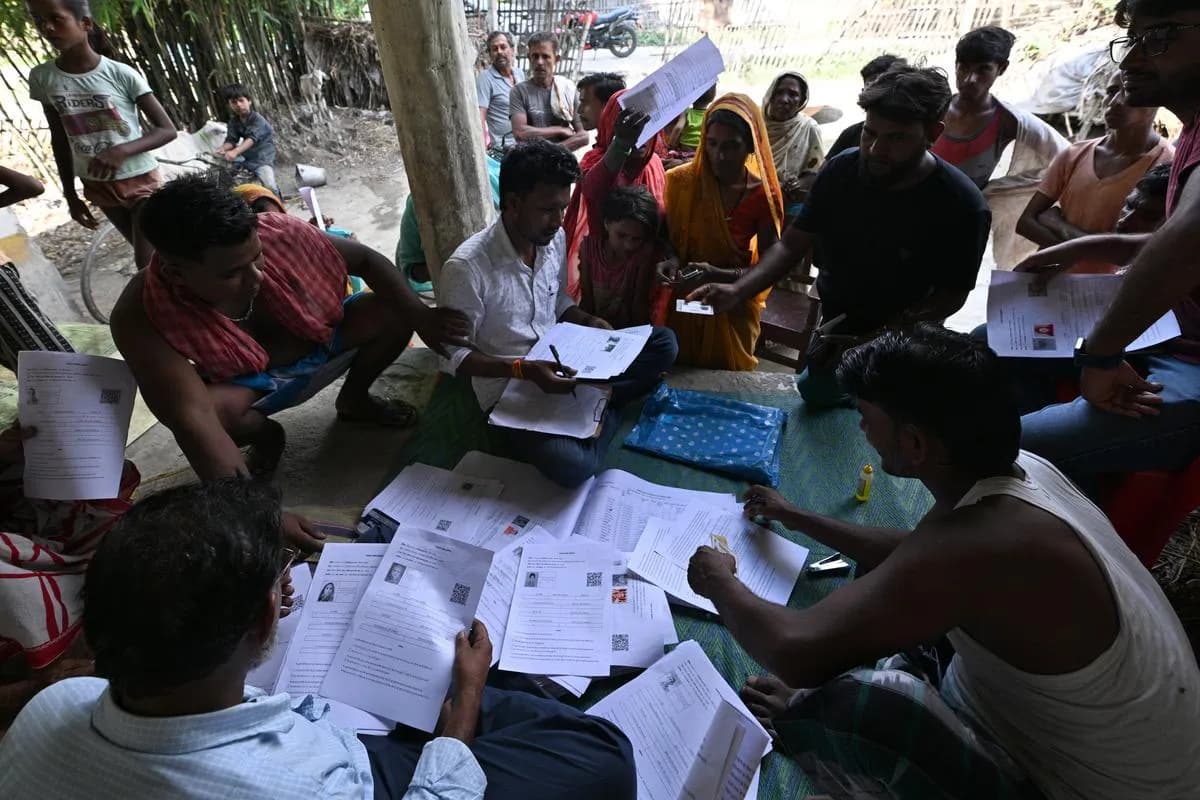
The elections involve teachers’ and graduates’ constituencies, whose electorates differ from the general electorate in Assembly elections. Their results will not determine which party forms the state government, but they can offer insight into organisational strength, local networks and the ability of political parties to coordinate candidates and supporters.
Why the Patna Graduates’ Seat Matters
The Patna Graduates’ constituency is one of the Legislative Council seats attracting attention in the current election cycle. The contest has become politically significant because the JD(U)’s official candidate is facing opposition from within the party’s wider political network.
A candidate’s performance in such a constituency depends on factors that differ from a conventional Assembly contest. Voter registration, local relationships, outreach among eligible graduates and the ability to mobilise supporters can all influence the result.
The contest therefore provides a test of the JD(U)’s capacity to translate its organisational presence into votes among a limited electorate. It also gives competing parties an opportunity to examine whether internal disagreements can weaken the ruling alliance’s performance.
The JD(U) Dispute
Reporting published earlier in October described the contest as an unusual confrontation involving JD(U) figures. The dispute has been linked to disagreements between Anant Singh and Neeraj Kumar, with senior party leaders also commenting on the tensions.
Such disputes can create difficulties for a party even when its official candidate remains in the race. Supporters may be divided, local campaign structures may become less effective and public messaging can become inconsistent.
However, internal disagreements should not automatically be interpreted as proof of a wider party split. The consequences will depend on whether party leaders reconcile their differences, whether supporters follow the official campaign and how the candidates perform on polling day.
The Opportunity for Rival Parties
Political rivals may seek to benefit from a divided campaign by reaching voters who feel disconnected from the official candidate or dissatisfied with party coordination. Smaller parties and independent candidates can sometimes gain visibility when established organisations are distracted by internal disputes.
Prashant Kishor’s Jan Suraaj Party has been part of the broader discussion around the contest, with the party attempting to expand its political space in Bihar. Its actual prospects, however, must be judged through candidate details, campaign activity and verified election results rather than assumptions about the impact of the JD(U) dispute.
For the opposition, the election offers an opportunity to assess its organisational capacity in a constituency-specific contest. But any wider claim about a shift in Bihar’s political balance would require evidence beyond one Legislative Council result.
Why These Elections Are Different
Teachers’ and graduates’ constituencies have narrower electorates than Assembly constituencies. Their contests often place greater emphasis on direct engagement with eligible voters and the local standing of candidates.
That makes organisational coordination particularly important. A party may have a large state-wide presence but still face difficulties if its local campaign is divided or its candidate struggles to connect with registered voters.
The results can offer useful political signals, but they should not be treated as a direct forecast of future Assembly or parliamentary elections. The voter groups, campaign issues and electoral conditions are different.
What to Watch Before October 23
The most important indicators include whether the JD(U) resolves its internal differences, whether senior leaders publicly consolidate support behind the official candidate and whether rival candidates can turn the dispute into measurable electoral support.
The final results will also need to be read alongside turnout and constituency-specific information. Without those details, it would be premature to declare that the dispute has decisively damaged the JD(U).
The election is ultimately a test of local organisation and political discipline. For the ruling alliance, the challenge is to prevent internal differences from undermining its campaign. For rival parties, the opportunity is to demonstrate that they can convert political openings into votes.
Related Keywords
Join the discussion