Bihar JD(U) MLA Anant Singh’s Remark Triggers Political Row: What His Statement Means for NDA Unity
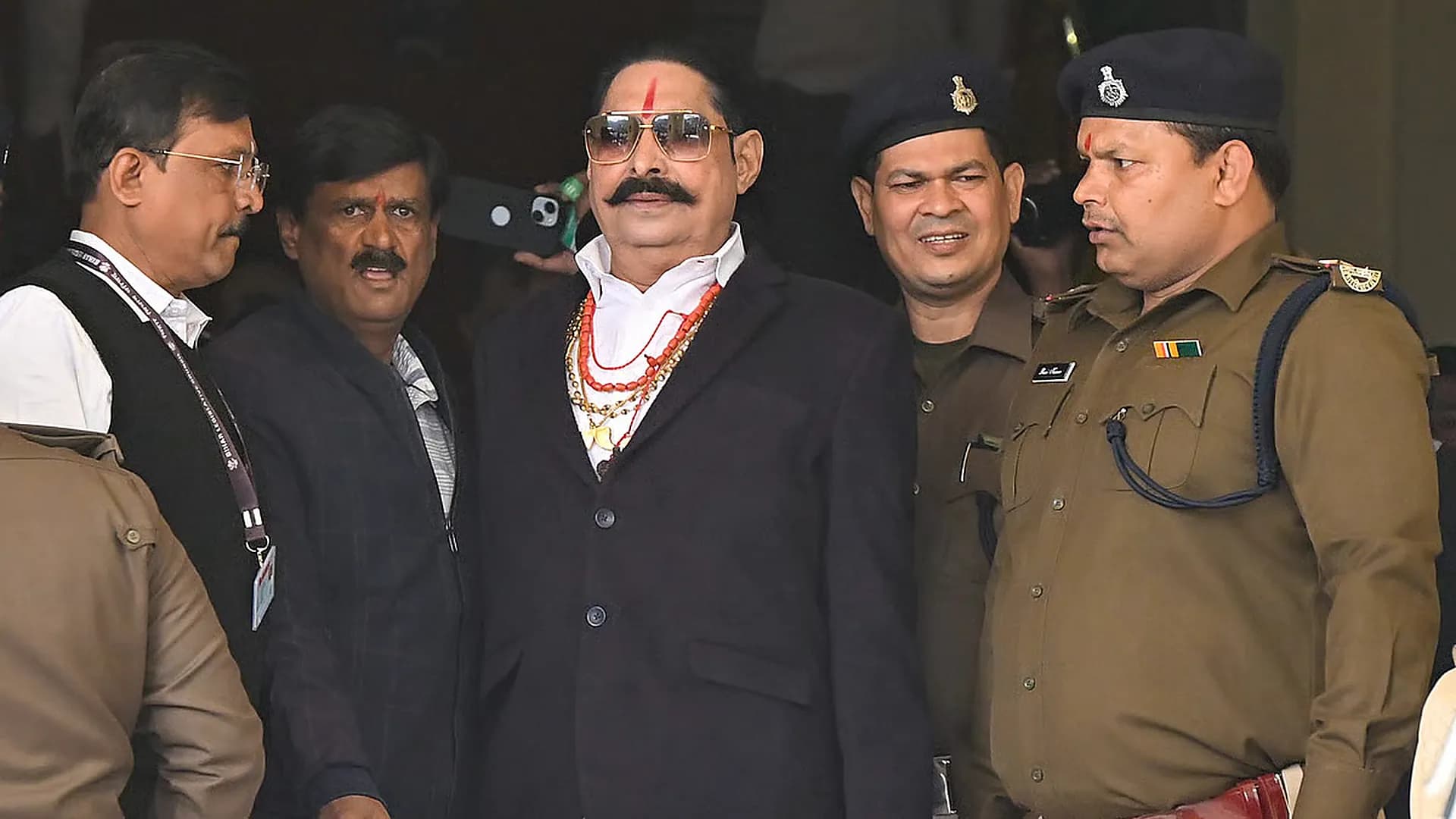
An alleged political remark by Janata Dal (United) MLA Anant Singh has triggered a fresh controversy in Bihar, bringing attention to the conduct of elected representatives and the challenges facing the ruling National Democratic Alliance (NDA). The statement, reported on October 16, has drawn attention because of its reference to multiple murders and the questions it raises about political rhetoric in a state where law and order frequently become central issues in party competition.
The controversy comes at a sensitive time for Bihar politics. The state’s political environment includes disagreements within political organisations, competition over local influence and continuing arguments between the ruling alliance and opposition parties. Remarks by prominent legislators can quickly become part of this larger political debate, especially when they touch on criminal violence.
What Triggered the Controversy?
Reports on October 16 said Anant Singh’s remark about having nine people murdered had sparked criticism and public discussion. The wording and circumstances of any such statement need to be assessed in their full context. A controversial remark, by itself, does not establish that a person committed or ordered a crime.
The distinction is important in political reporting. Public statements can become the subject of political criticism, but allegations involving criminal conduct must be evaluated through evidence, police investigations and the judicial process. Any response from Singh, his party or law-enforcement authorities should be considered alongside the original statement before drawing conclusions.
Why Anant Singh’s Political Position Matters
Anant Singh is a prominent political figure associated with Mokama and has long attracted attention in Bihar’s political landscape. His public profile means that statements attributed to him can influence debates about the relationship between political leadership, public conduct and the criminal justice system.
For the JD(U), controversies involving an elected representative can create a challenge between defending a party member’s political rights and demonstrating that the organisation takes public accountability seriously. The political consequences depend on how the party responds, whether further clarification is issued and whether authorities identify any matter requiring formal investigation.
The Opposition’s Potential Response
Opposition parties may use controversial remarks by ruling-alliance leaders to question the government’s approach to law and order. Such criticism can become particularly effective when it connects an individual controversy to broader questions about governance and political accountability.
However, the strength of any political argument depends on verified facts. A remark should not automatically be treated as proof of criminal involvement, and criticism should distinguish between the speaker’s words, the interpretation placed on them and any independently established legal findings.
What It Means for NDA Unity
The controversy also raises a wider question about discipline within the ruling alliance. The NDA includes parties and leaders with their own political bases, local priorities and internal relationships. Maintaining a common public position can become difficult when individual leaders make statements that attract criticism.
Whether this episode develops into a larger alliance dispute will depend on the response from the JD(U), the Bihar government and other NDA partners. Without a confirmed disciplinary action or formal political decision, it would be premature to describe the controversy as a major split within the alliance.
The Bigger Issue: Political Speech and Accountability
Bihar’s political debate frequently centres on employment, development, public safety and the credibility of elected representatives. Controversial statements can divert attention from policy questions while also raising legitimate concerns about the standards expected from public officials.
The key questions are whether the statement has been accurately reported, whether the speaker provides clarification and whether any formal action follows. These developments will determine the political significance of the episode.
For voters, the issue is not simply which party gains an advantage from the controversy. It is also whether political leaders communicate responsibly and whether allegations involving serious crimes are handled through transparent, evidence-based procedures.