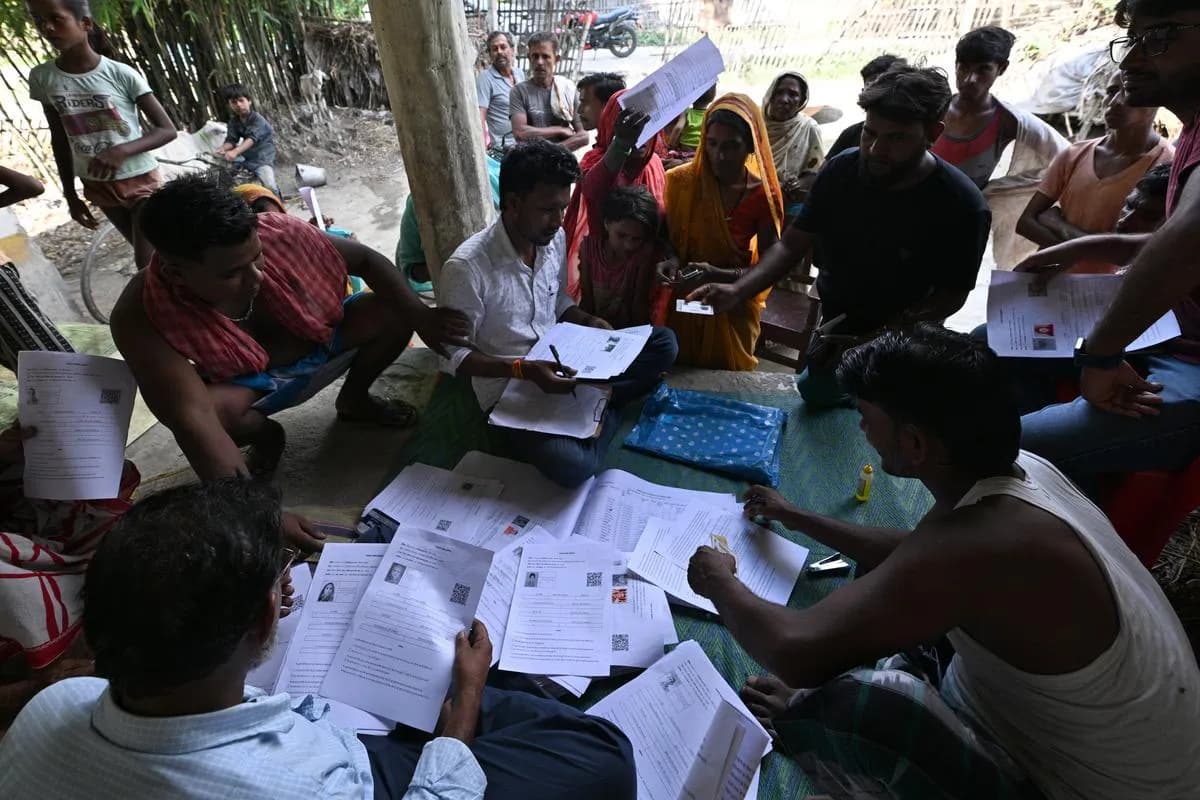
Bihar BJP’s Vande Mataram Mobilisation: Can the Party Turn Its Statewide Outreach into Stronger Grassroots Organisation?
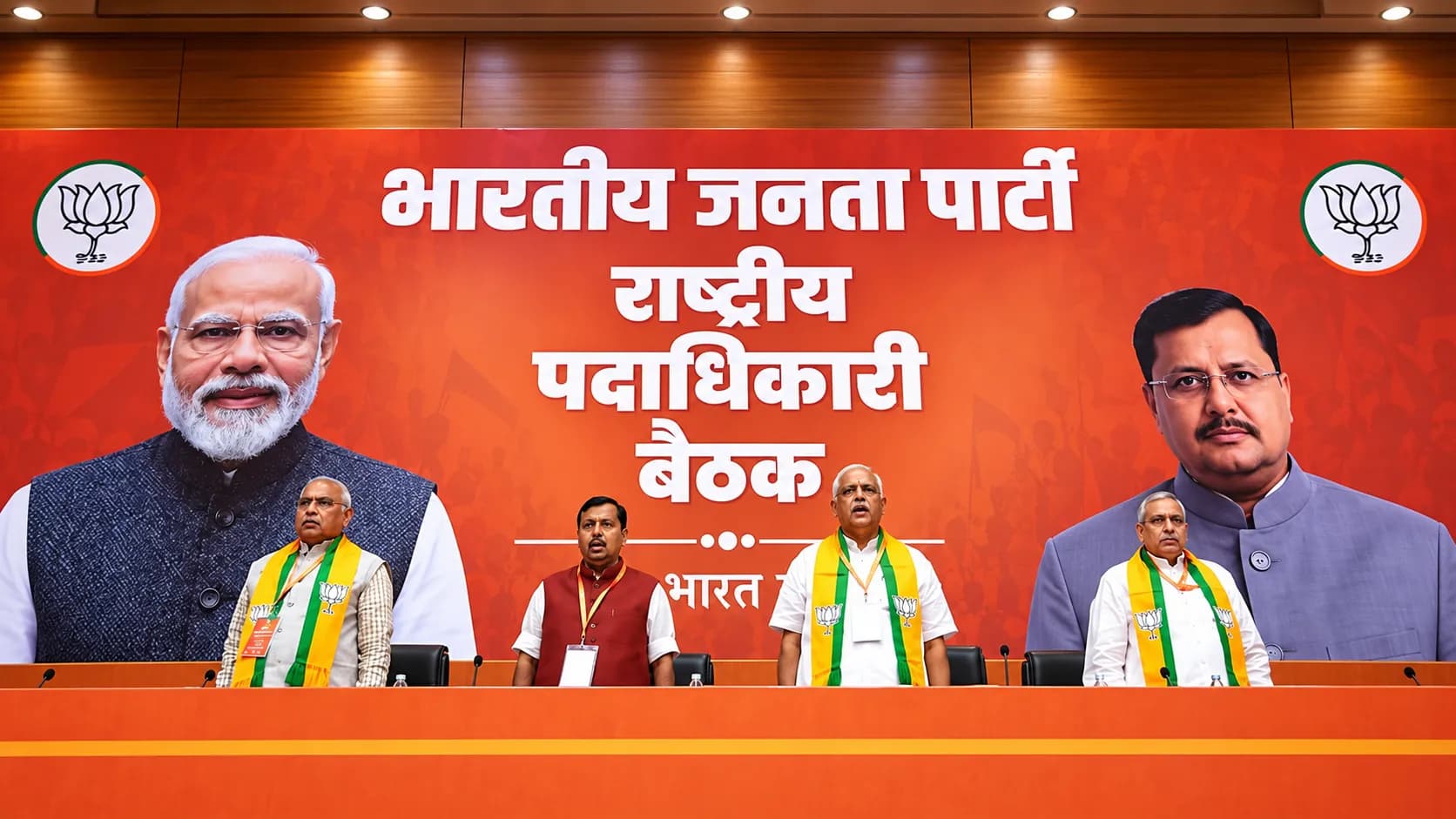
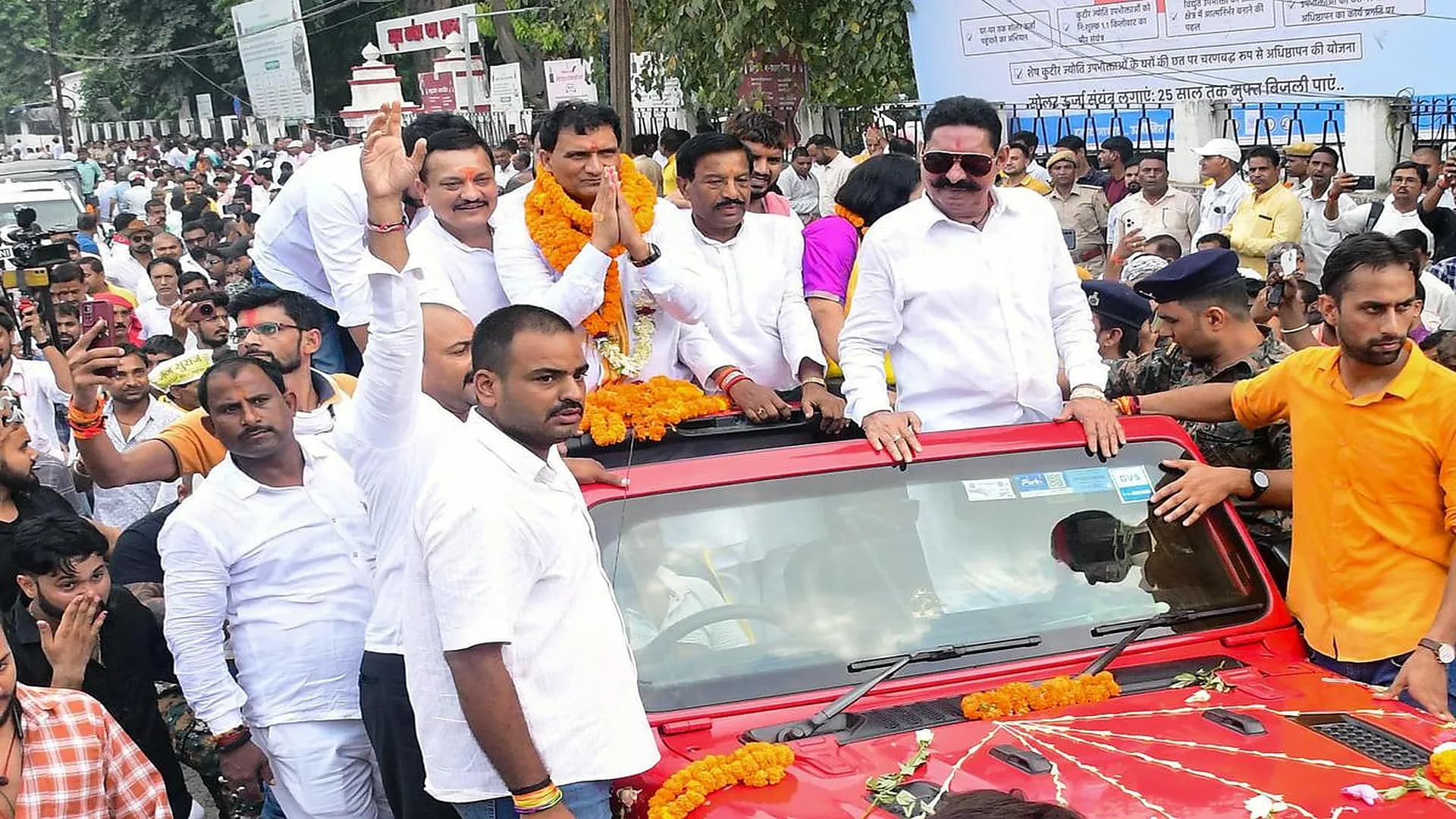
The Bihar unit of the Bharatiya Janata Party planned a large public mobilisation for October 17, 2026, as part of a month-long campaign linked to public service and the political legacy of Prime Minister Narendra Modi. The proposed event, described by state BJP leaders as “Jansevak Mahakumbh: Panchayat se Parliament tak,” was expected to bring together elected representatives from different levels of government.
The programme was presented as the culmination of the party’s wider “Seva Sankalp Abhiyan.” BJP state president Sanjay Saraogi had said that approximately 1.25 lakh public representatives were likely to participate in the planned mass rendition of Vande Mataram.
The event provides a window into the BJP’s organisational strategy in Bihar. Large gatherings can demonstrate mobilisation capacity and reinforce a party’s public identity, but the political value of such events ultimately depends on whether they strengthen connections with voters beyond the day of the programme.
A Campaign Built Around Grassroots Reach
The BJP’s stated plan involved representatives ranging from the panchayat level to Parliament. Such a structure can help the party coordinate messaging across different tiers of government and communicate its priorities through local representatives.
Panchayat-level engagement is particularly important because citizens often judge political organisations through the accessibility of local representatives and their response to everyday concerns. Regular contact can help parties understand local problems, explain government schemes and identify issues that require administrative attention.
However, the presence of elected representatives at an event does not automatically demonstrate successful public outreach. The effectiveness of a campaign depends on whether local units continue to engage with residents, respond to concerns and communicate clear information after the programme ends.
The Role of Sanjay Saraogi and State Leadership
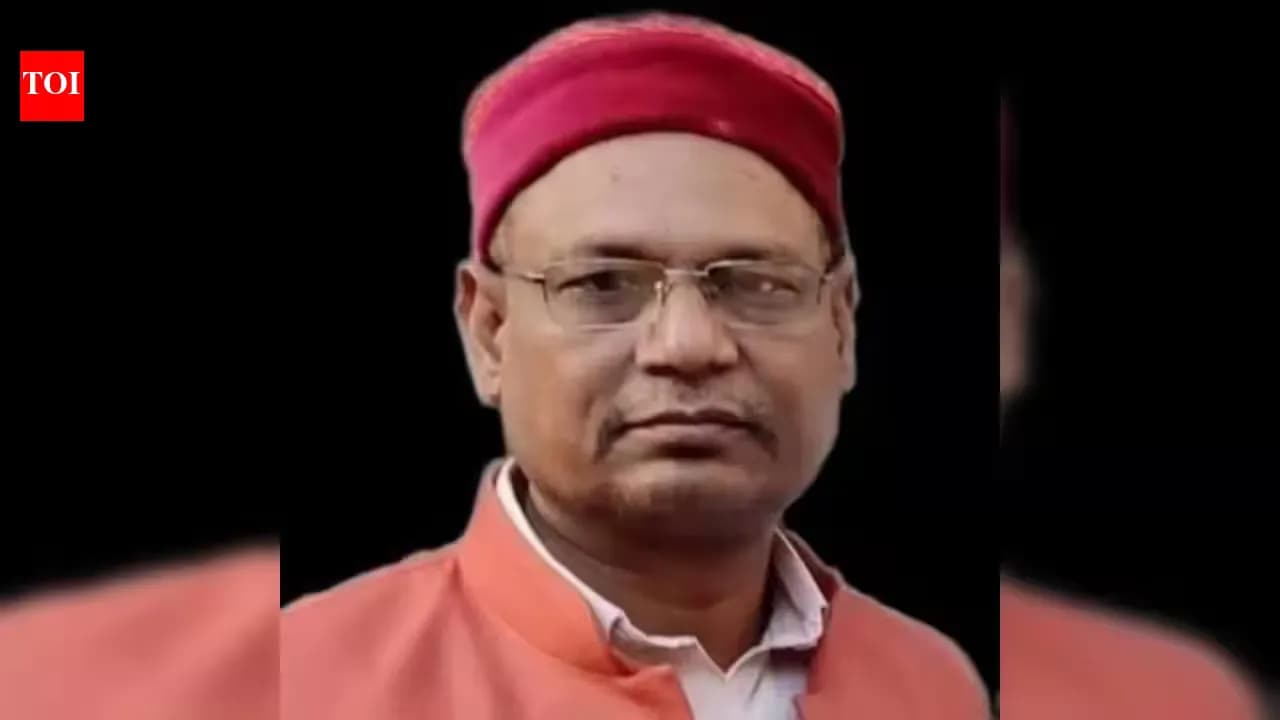
As Bihar BJP president, Sanjay Saraogi’s role includes coordinating the party’s state-level organisation and helping connect its political priorities with district and local units. A campaign involving representatives across levels of government requires planning, communication and consistent follow-up.
For the state leadership, the challenge is to make a large programme part of a broader organisational effort rather than a one-day show of strength. That requires local representatives to maintain contact with citizens and ensure that campaign commitments are connected to practical public-service work.
The party’s performance should therefore be assessed through the reach and continuity of its activities, not solely through the size of the proposed gathering.
Political Messaging and Public Service
The campaign was linked to public service and the anniversary of Modi’s public life. BJP leaders have described such initiatives as an opportunity to communicate government schemes and development programmes to people, including farmers, young people, women and economically disadvantaged communities.
Political outreach of this kind serves two purposes. It can provide information about public programmes, while also reinforcing the party’s political identity and leadership messaging.
For voters, the important distinction is between communication about a scheme and the actual delivery of its benefits. Public meetings may explain what a programme is intended to do, but citizens also need access to accurate eligibility information, application procedures and grievance mechanisms.
A campaign’s credibility can improve when representatives help people navigate public services and follow up on unresolved issues. It can weaken if the messaging is not matched by practical assistance.
How Opposition Parties May Respond
Opposition parties can challenge the BJP’s narrative by questioning implementation, public expenditure and the distribution of development benefits. Such scrutiny is part of political competition, especially when ruling parties use large programmes to communicate their record.
The strength of that response depends on evidence. Criticism is most effective when it identifies specific gaps in service delivery, explains how they affect residents and proposes practical alternatives.
At the same time, the BJP’s ability to maintain public engagement will depend on whether its local representatives can show tangible results. Political mobilisation and governance are related, but they are not the same measure of performance.
What Comes After the Event?
The planned October 17 programme should be evaluated separately from its eventual turnout and outcomes. The figure of approximately 1.25 lakh participants was an expectation announced ahead of the event, not confirmation of the number who ultimately attended.
Post-event reporting should establish whether the gathering took place as planned, the confirmed attendance if officially available and the messages delivered by party leaders. It should also distinguish between announced campaign objectives and measurable results.
For Bihar’s BJP, the larger test is whether the mobilisation strengthens local organisation and improves communication with residents. For voters, the more practical question is whether political outreach results in better access to information, more responsive representatives and stronger accountability.