Women and Welfare Policy in Bihar Politics: From Election Promises to Public Accountability
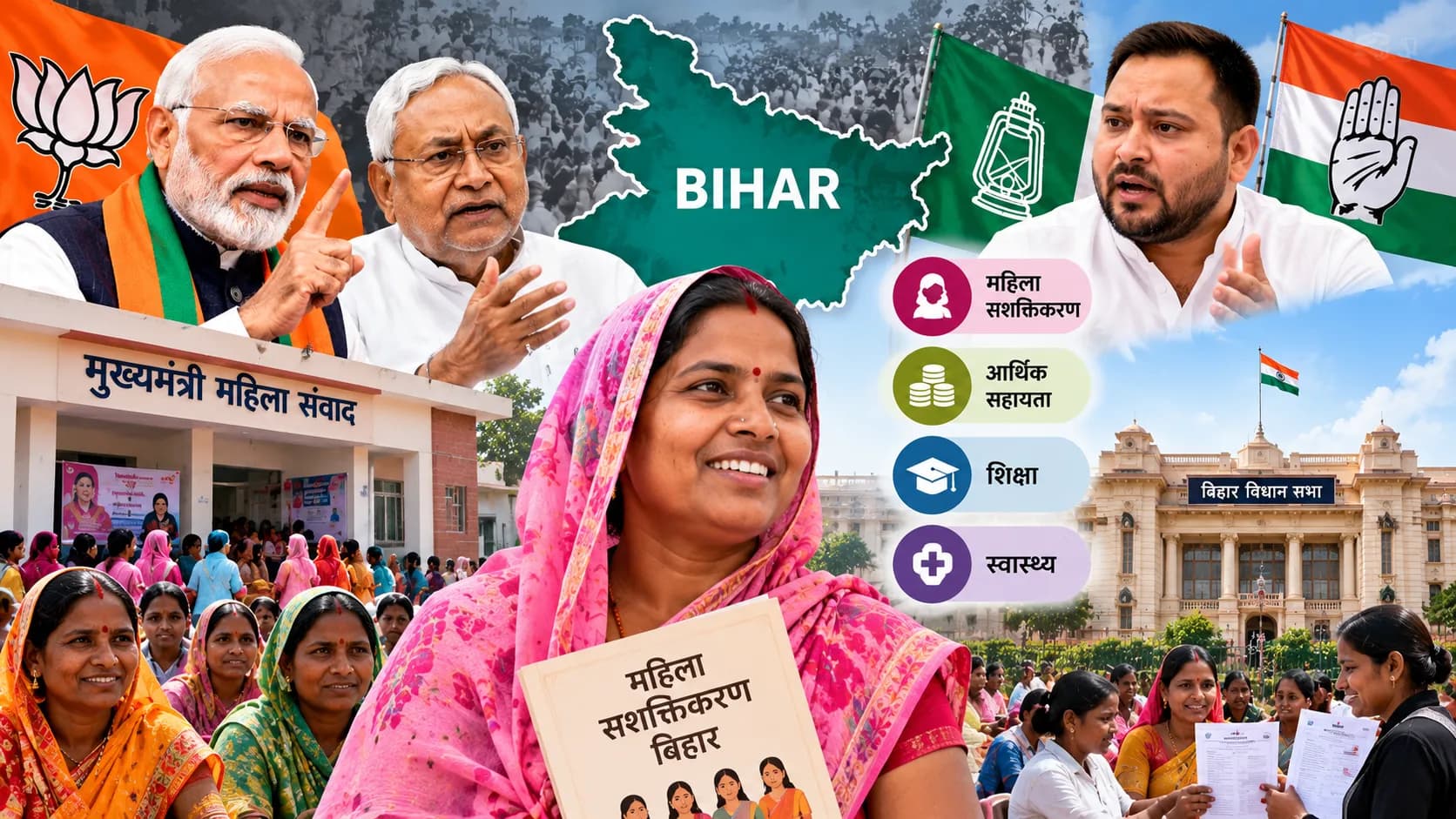
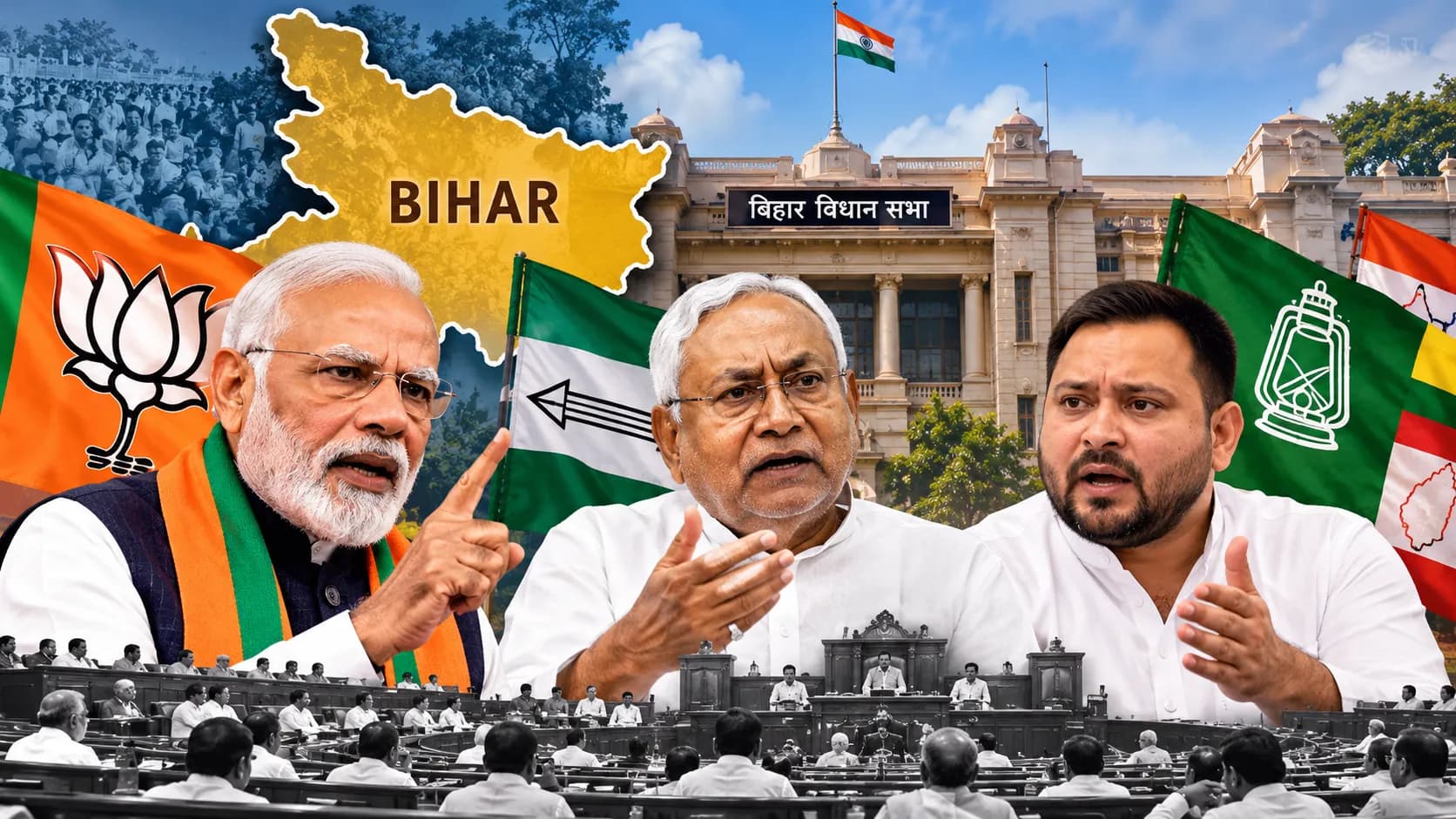
Welfare programmes and women’s participation have become important elements of political discussion in Bihar. Political parties frequently present financial assistance, healthcare, education and social protection as parts of their public policy priorities. These commitments are also discussed in the context of government performance and electoral accountability.
Understanding the political significance of welfare requires looking beyond announcements. Citizens need to know who qualifies for a scheme, how applications are processed, when benefits are delivered and how public money is being used.
Why women-focused programmes matter
Financial assistance and access to public services can influence household decisions and help eligible beneficiaries meet essential expenses. Programmes involving healthcare, education, transport or direct transfers may address different needs, so their effectiveness should be assessed individually.
A scheme’s announcement does not establish that every eligible person has received a benefit. Implementation depends on funding, administrative procedures, accurate beneficiary records and accessible grievance mechanisms.
For this reason, public assessments should distinguish the number of people registered for a scheme from the number who actually receive assistance and the outcomes that follow.
How political parties use welfare commitments
Parties use welfare proposals to explain their priorities and communicate how they would address economic and social concerns. Governments may highlight the number of beneficiaries or the scale of public expenditure, while opposition parties may question the eligibility criteria, fiscal implications or effectiveness of programmes.
Both the government’s claims and the opposition’s criticism can be examined through official records, budget documents and implementation data.
Political debate becomes more useful when parties explain not only what a scheme promises but also how it will be funded, administered and evaluated. A comparison of policy proposals should consider eligibility, payment reliability, coverage and the quality of related public services.
Accountability beyond announcements
Public authorities should provide clear information about application procedures, payment schedules and the steps available when a benefit is delayed or denied. Accessible information is especially important for people who face difficulties completing paperwork or navigating administrative systems.
Independent evaluation can also help identify whether programmes are reaching their intended beneficiaries. Data should be interpreted carefully, with attention to the period covered, the population included and the difference between planned expenditure and actual spending.
Political parties can contribute by explaining policies accurately and helping citizens find official information without making unsupported promises about eligibility or outcomes.
The wider political debate
Women voters should not be treated as a single political group with identical interests. Individuals may evaluate parties through employment, family finances, public safety, education, healthcare, local governance and other concerns.
Welfare programmes are one part of this broader relationship between citizens and government. Their political importance depends partly on implementation and partly on how parties explain their policies and responsibilities.
CONCLUSION
Women-focused welfare is an important subject in Bihar’s political debate, but its value cannot be judged from announcements alone. Transparent eligibility rules, reliable delivery, clear funding and measurable outcomes provide a stronger basis for evaluating programmes. Political parties and government institutions should make information accessible so that citizens can assess commitments and hold decision-makers accountable.
Related Keywords
Join the discussion