Jan Suraaj’s Grassroots Strategy in Bihar: Why Local Organisation Matters in Politics
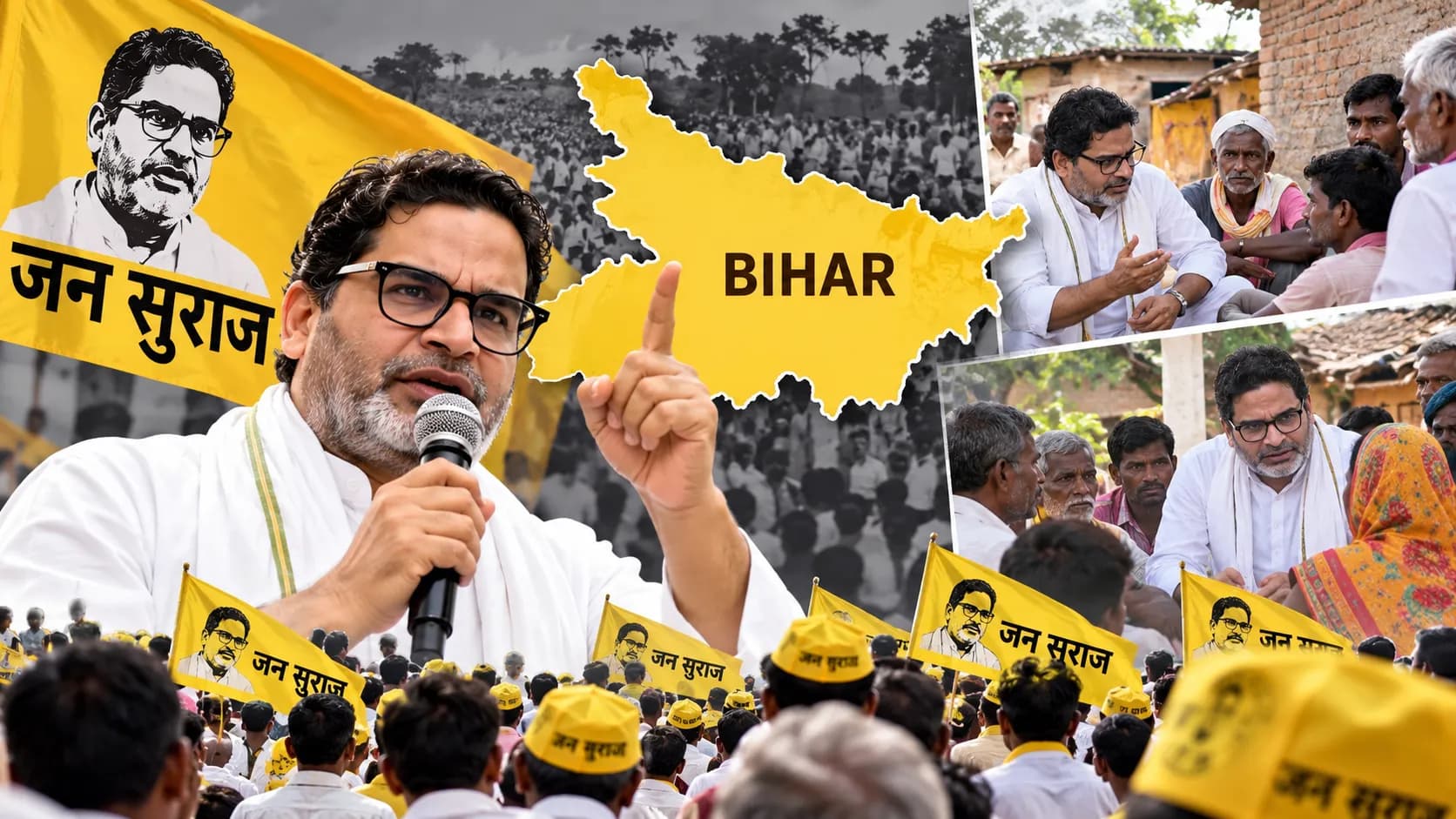
Building a political party across Bihar requires more than a recognisable leader or a campaign that attracts public attention. A party needs functioning district units, active local workers, clear communication and a process for identifying candidates and responding to public concerns.
Jan Suraaj, founded by Prashant Kishor, has sought to establish itself as a political organisation beyond its founder’s earlier work as an election strategist. Its political activity has included statewide outreach and efforts to build a grassroots network.
The party’s organisational journey illustrates a wider challenge for new political formations: converting public engagement into a durable structure capable of functioning between elections.
Why local organisation matters
Bihar’s constituencies differ in their economic conditions, local leadership networks and political priorities. A message that receives attention at the state level may not address the specific concerns of every district or constituency.
Local workers help parties understand these differences. They communicate public grievances, organise meetings and explain party policies. They can also provide feedback on whether the party’s positions are understood by voters.
Without an active local structure, a party may find it difficult to maintain public contact after a major campaign ends. Building district and block-level teams can therefore be an important part of long-term political activity.
The challenge of moving beyond a founder
New political parties often depend heavily on the visibility and communication skills of their founders. This can help establish an identity quickly, but it can also create a need to develop leadership at multiple levels.
A sustainable organisation requires clear responsibilities, internal procedures and opportunities for local leaders to take part in decision-making. Candidate selection, financial transparency and mechanisms for addressing internal disagreements can also influence organisational stability.
For Jan Suraaj, the development of a broader leadership team and an active local network will be important areas to observe as it continues its political work.
From public meetings to political participation
Public meetings and outreach campaigns can introduce a party to new audiences. However, they do not automatically translate into sustained membership or electoral support.
A party needs to maintain contact with citizens, explain its policy proposals and respond to questions about implementation. It also needs to show how it would approach issues such as employment, education, migration, public services and economic development.
Political promises become more meaningful when accompanied by practical proposals, timelines and clear explanations of administrative responsibilities.
Learning from electoral experience
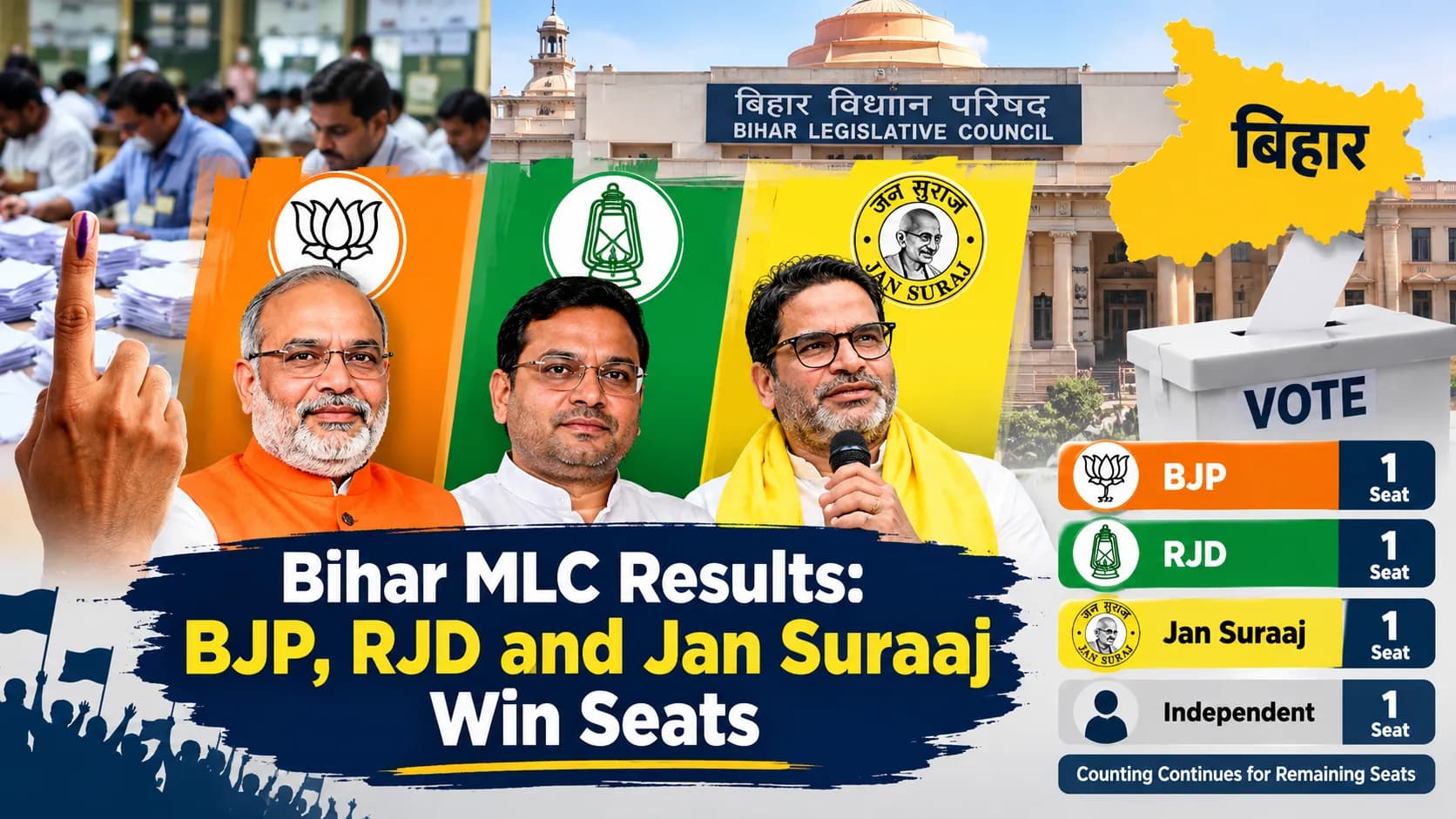
A party’s electoral performance can provide information about the reach of its organisation, candidate selection and campaign strategy. However, election results alone do not explain every reason for voter behaviour.
New parties can use feedback from candidates, workers and local communities to identify gaps in their organisation. The process requires careful assessment rather than assuming that one campaign outcome determines the party’s long-term position.
CONCLUSION
Jan Suraaj’s organisational development offers a case study in the work required to establish a new political party in Bihar. Sustained local engagement, internal accountability and credible policy proposals are important components of that effort. Its future political activity can be assessed through concrete organisational developments rather than publicity or predictions alone.
Related Keywords
Join the discussion