Bihar Coalition Politics: How BJP, JD(U) and Regional Parties Shape Government Decisions
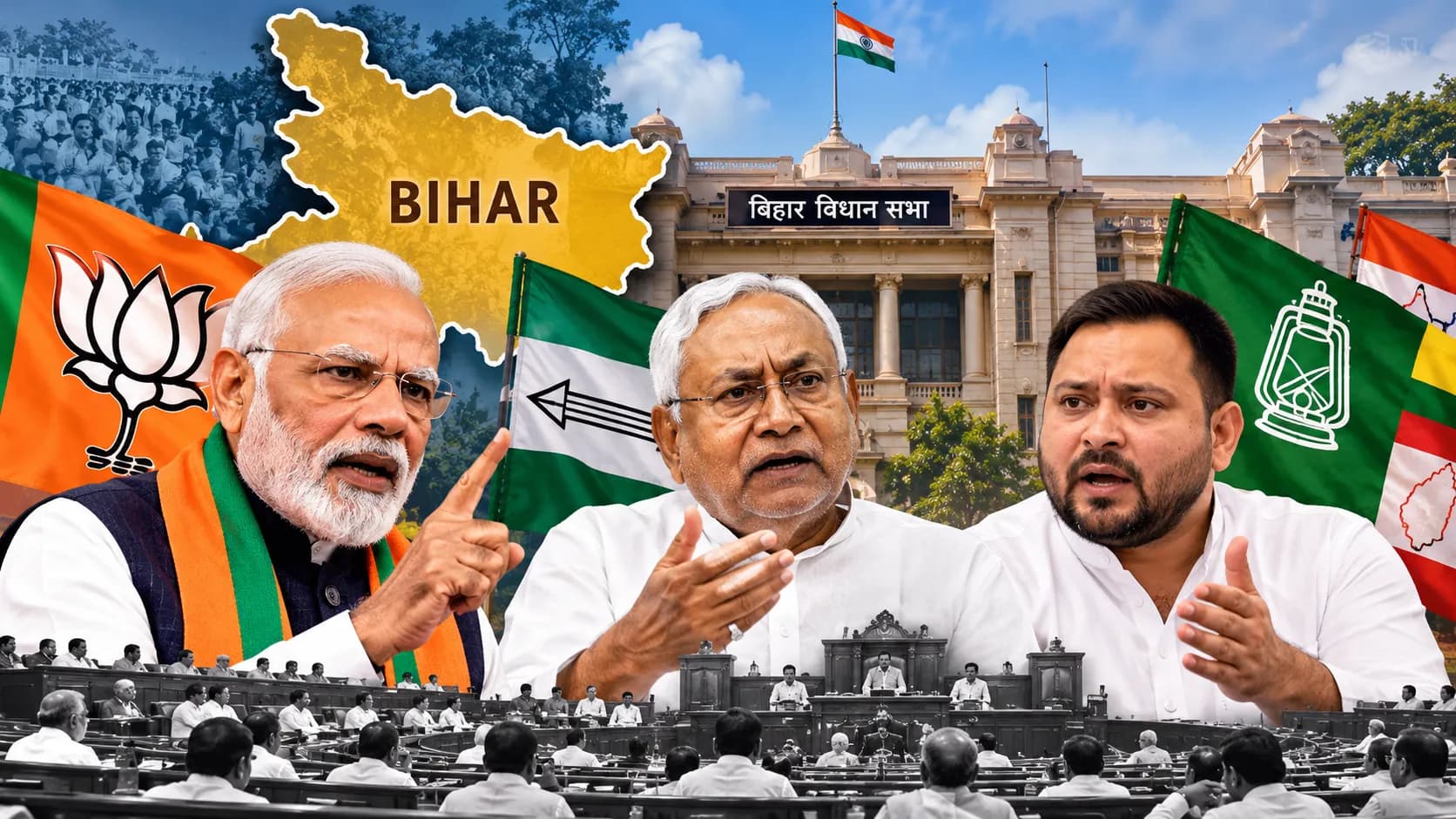
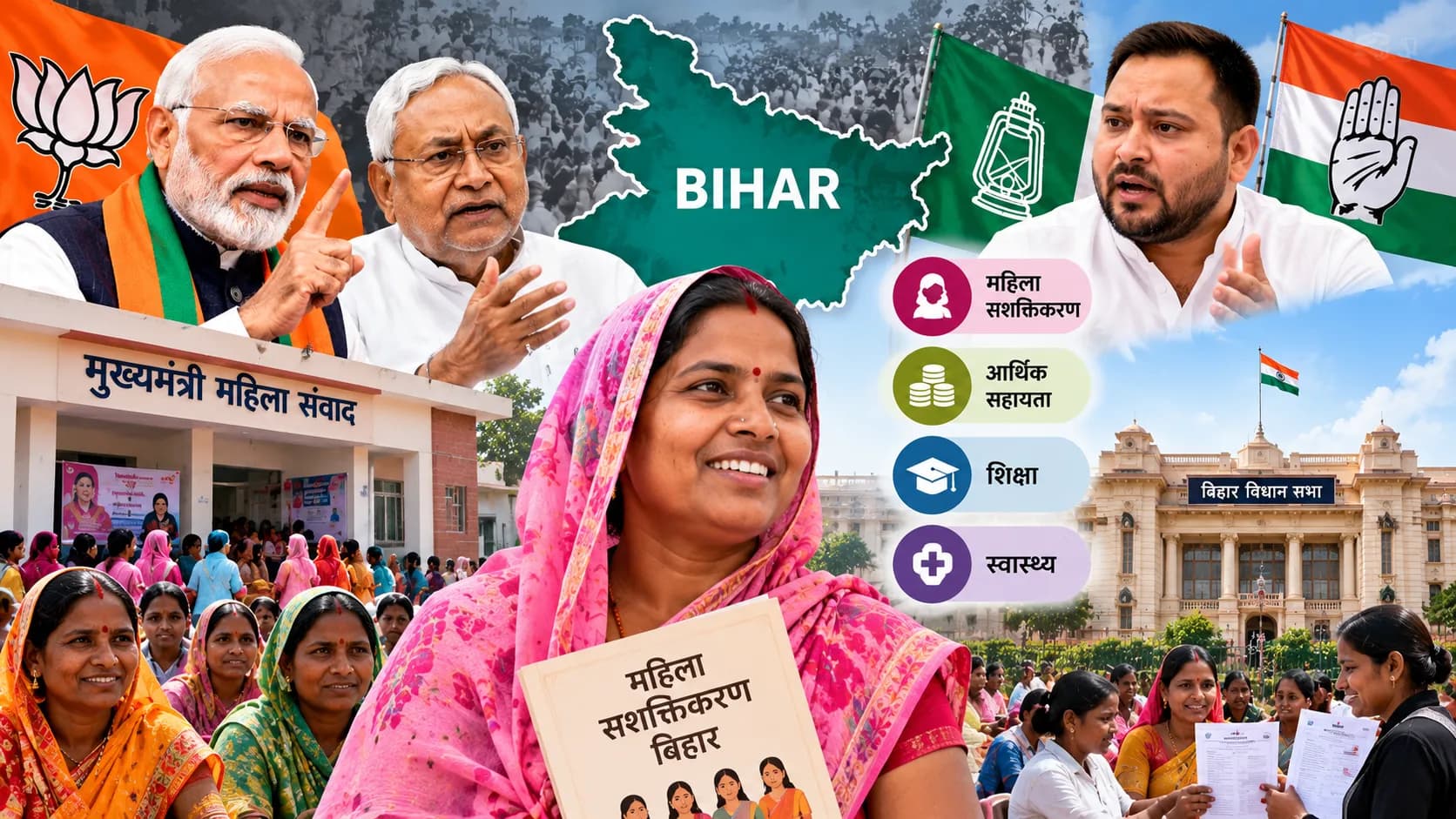
Bihar has a long history of coalition politics, in which national parties, regional organisations and smaller political groups cooperate to form governments. The Bharatiya Janata Party (BJP), Janata Dal (United) [JD(U)], Rashtriya Janata Dal (RJD), Congress and other parties have played important roles in this changing political landscape.
Coalitions are not simply arrangements to secure legislative numbers. They also involve negotiations over leadership, ministerial positions, constituency representation and policy priorities. Each participating party must maintain its own political identity while coordinating with its partners.
Why alliances matter in Bihar
Bihar’s political competition has historically involved questions of social representation, governance, development and the influence of regional leaders. Parties build support through different organisational networks and political constituencies. An alliance allows them to coordinate their resources, but it also requires compromises.
For example, a coalition partner may seek a particular ministerial portfolio or request greater representation in government. Another party may prioritise its organisational expansion or prefer to retain control over a policy area. These negotiations can influence how a government operates after an election.
The BJP and JD(U) have worked together in different political circumstances over the years, while also experiencing periods of separation. Their relationship illustrates how alliances can change as leadership priorities and electoral calculations evolve.
The importance of smaller parties
Smaller parties can play an important role in coalition negotiations when their support is necessary for government formation or when they have influence in specific constituencies. Their participation may bring additional social groups and regional concerns into discussions.
However, smaller parties also face challenges. They must balance the advantages of joining a coalition against the risk of losing visibility or becoming dependent on a larger partner. Maintaining a separate organisational identity can be important for their long-term political activity.
Coalition coordination and accountability
An alliance needs clear communication between its partners. Disagreements over appointments, policy decisions or constituency-level issues can create tension. If these differences are not resolved, they may affect coordination inside the government and the parties’ public messaging.
At the same time, coalition arrangements should not prevent voters from holding individual parties accountable. Citizens can examine which party holds a particular responsibility, what commitments were made and whether government decisions are being implemented.
What voters should examine
Understanding Bihar’s coalition politics requires looking beyond public statements. Voters can examine alliance agreements, cabinet responsibilities, Assembly proceedings and the positions taken by different parties on major issues.
It is also important to distinguish a confirmed political decision from speculation about a possible alliance or leadership change. Discussions between parties do not necessarily mean that an agreement has been finalised.
CONCLUSION
Coalition politics remains an important part of Bihar’s political system. Alliances can combine different organisational strengths and political constituencies, but they also require negotiation and accountability. Their significance is best understood by examining actual decisions, policy commitments and the responsibilities each party accepts within the government.
Related Keywords
Join the discussion