Nitish Kumar's Exit from INDIA Bloc: JD(U)'s New Explanation Reopens the Political Debate
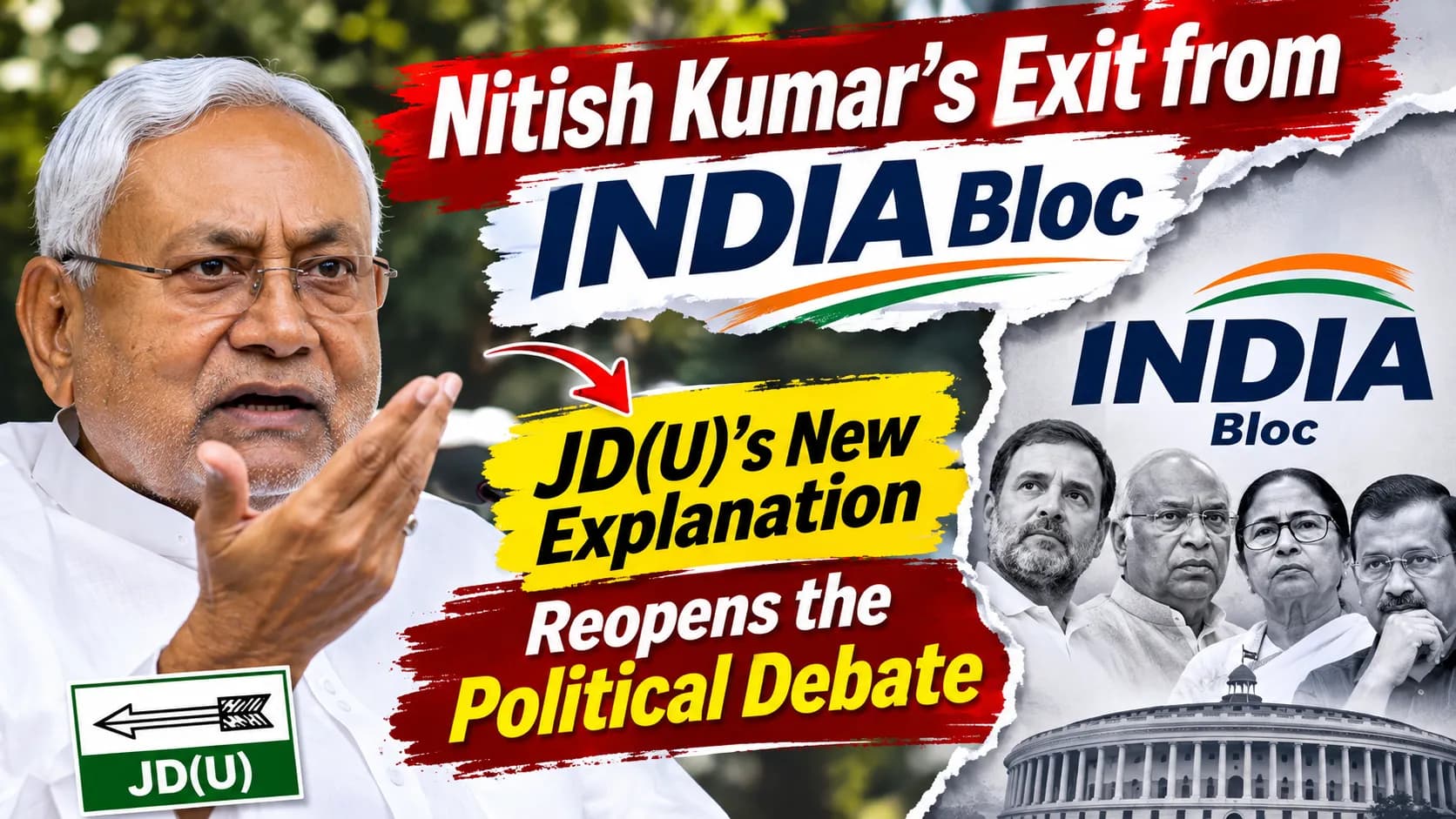
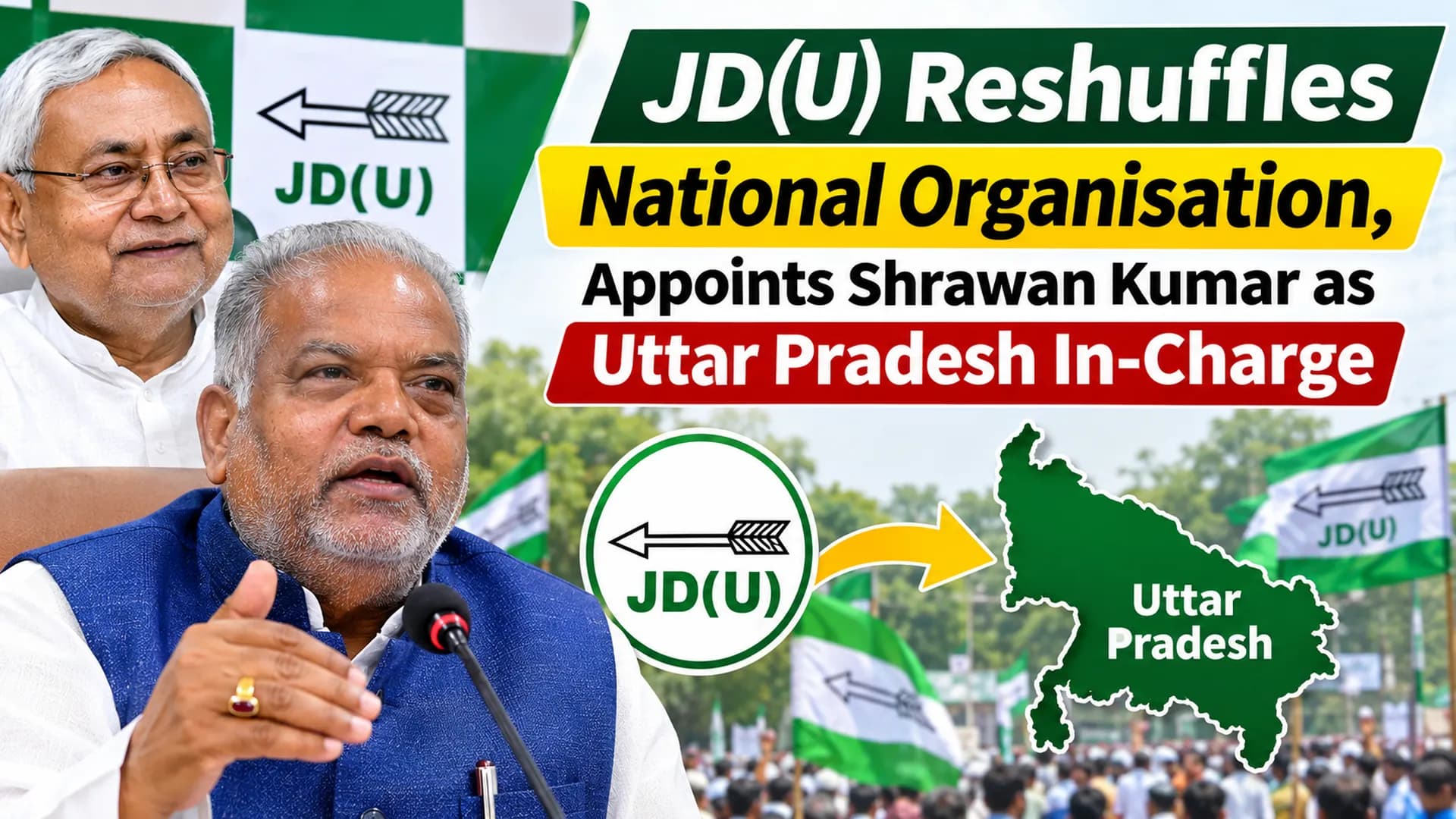
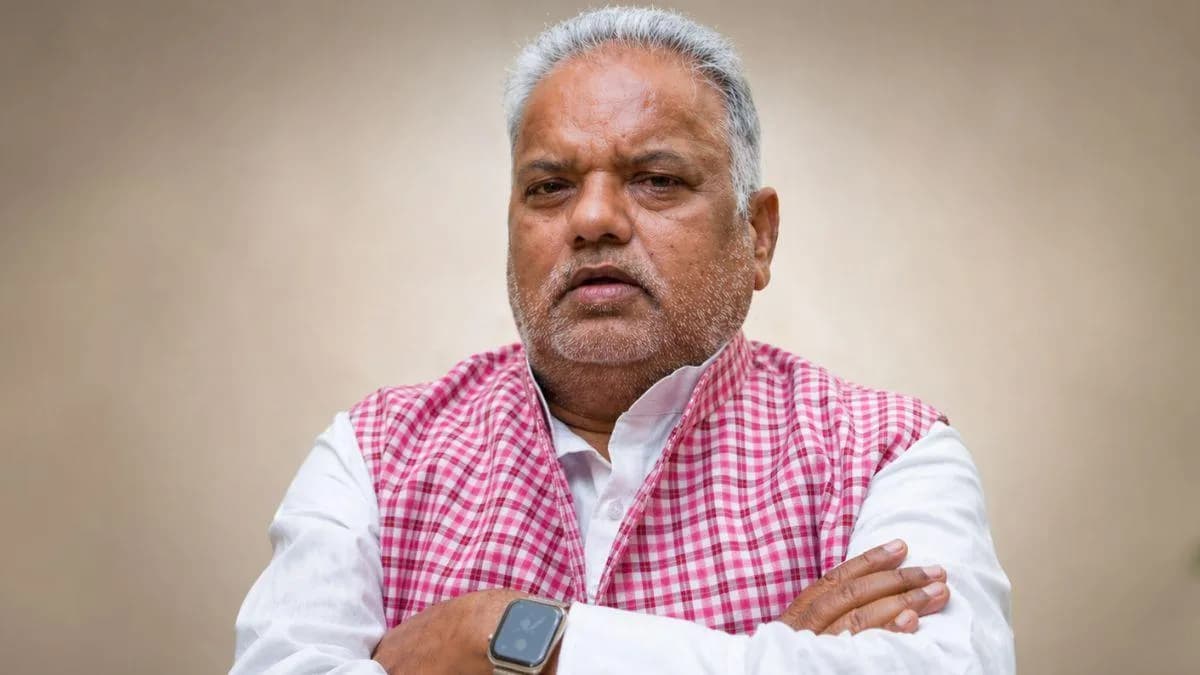
Nitish Kumar's departure from the INDIA opposition alliance continues to attract political attention, particularly as questions emerge about the reasons behind his decision to return to the BJP-led National Democratic Alliance. A fresh statement from senior JD(U) leader and Bihar minister Ashok Choudhary on November 12 has brought the caste census issue back into the discussion.
Responding to questions about Congress leader Sonia Gandhi's recently published memoir, Choudhary defended Nitish Kumar's political decisions and challenged the description of his departure as being based on a weak or insufficient reason.
His remarks have reopened a debate about the role of leadership, policy disagreements and political coordination within the opposition alliance.
Ashok Choudhary's explanation
According to Choudhary, Nitish Kumar became disillusioned with the INDIA bloc after proposing that a caste census should become a major agenda of the opposition alliance.
He claimed that Kumar had travelled across several states to bring opposition leaders together and had played an important role in organising the initial political discussions that eventually led to the formation of the alliance.
Choudhary specifically referred to an opposition meeting in Mumbai, where he claimed that West Bengal Chief Minister Mamata Banerjee opposed making the caste census a central political agenda.
These statements represent Choudhary's account of the events. They should not be treated as an independently established explanation of every factor behind Nitish Kumar's decision.
Why the caste census became politically important
The caste census has been an important issue in Bihar's political discussions.
The state's caste-based survey, released in October 2023, brought detailed information about the social composition of Bihar's population into public debate. Political parties subsequently used the findings while discussing representation, reservation and social justice.
For Nitish Kumar, the issue was closely connected with his government's decision to conduct the survey. It also provided a political subject through which he could engage with opposition parties beyond Bihar.
The disagreement described by Ashok Choudhary therefore raises an important question: how much agreement did the opposition alliance have on major policy issues when it was being formed?
The Congress question and Sonia Gandhi's memoir
The latest exchange also emerged in the context of Sonia Gandhi's memoir and its account of Nitish Kumar's departure from the opposition alliance.
Choudhary objected to the criticism directed at Kumar and argued that the political circumstances behind the decision should be examined.
His response also attempted to emphasise Nitish Kumar's contribution to bringing opposition parties together before the alliance's formation.
However, a political defence from a JD(U) leader and an account in a memoir are two different forms of political narrative. Readers should examine the available statements and historical sequence rather than assuming that one explanation settles the entire dispute.
What does this mean for JD(U)'s political identity?
The discussion is relevant because JD(U) has maintained a political identity built around its own leadership, regional organisation and policy positions.
The party's relationship with national alliances has changed over time. Its decision-making has often been shaped by political circumstances, coalition arrangements and disagreements with other parties.
The latest statement also demonstrates that JD(U) leaders continue to defend the political history behind the party's alliance decisions.
Why the debate matters now
Bihar's political environment has changed following the transition in government leadership. Nitish Kumar's political legacy and JD(U)'s future position within the NDA remain subjects of public discussion.
The caste census debate also continues to influence discussions about social representation and the relationship between regional parties and national political organisations.
The latest remarks by Ashok Choudhary have added another account to the discussion surrounding Nitish Kumar's exit from the INDIA bloc.
The larger question is whether the disagreements over the caste census were a central reason for the political separation or one part of a wider set of differences within the opposition alliance.
Related Keywords
All tagsJoin the discussion