JD(U) Reviews MLC Election Setback Amid Questions Over BJP Coordination and Party Leadership
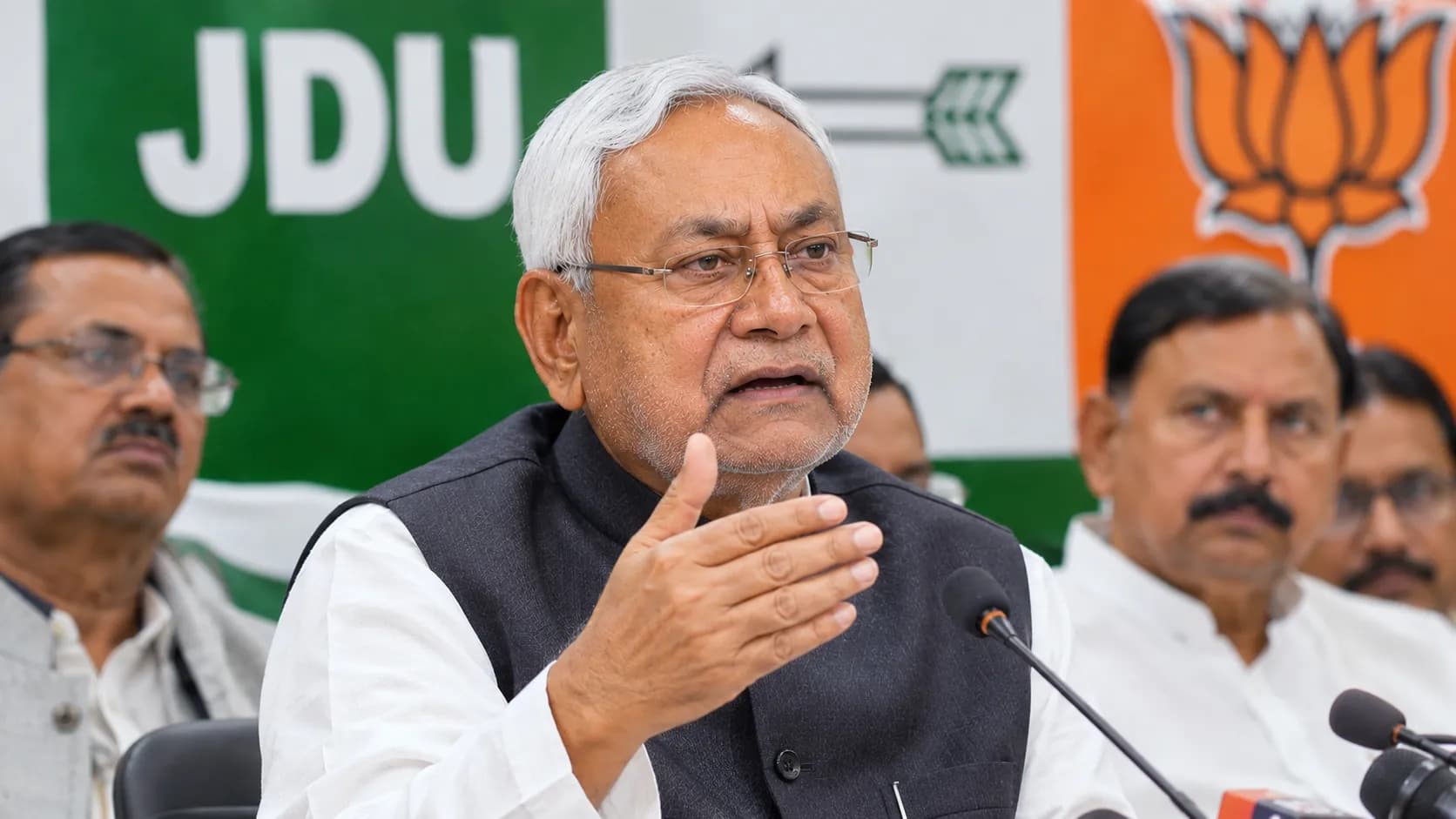
The Janata Dal (United) is facing a period of internal political discussion following its performance in the recent Bihar Legislative Council elections. The party's November 5 review meeting has brought attention to its election strategy, coordination with the Bharatiya Janata Party (BJP) and the organisational dynamics involving senior JD(U) leaders.
The party contested four seats in the council elections but secured victory in only one constituency. Its candidate Neeraj Kumar retained the Patna Graduates' seat, while JD(U) candidates lost the other three contests. The outcome has prompted questions about campaign coordination and the support extended by alliance partners and local leaders.
The review is taking place at a politically sensitive time for the ruling National Democratic Alliance (NDA), particularly after two Independent candidates who defeated JD(U)-backed nominees became associated with the BJP.
JD(U) Leadership Reviews Election Performance
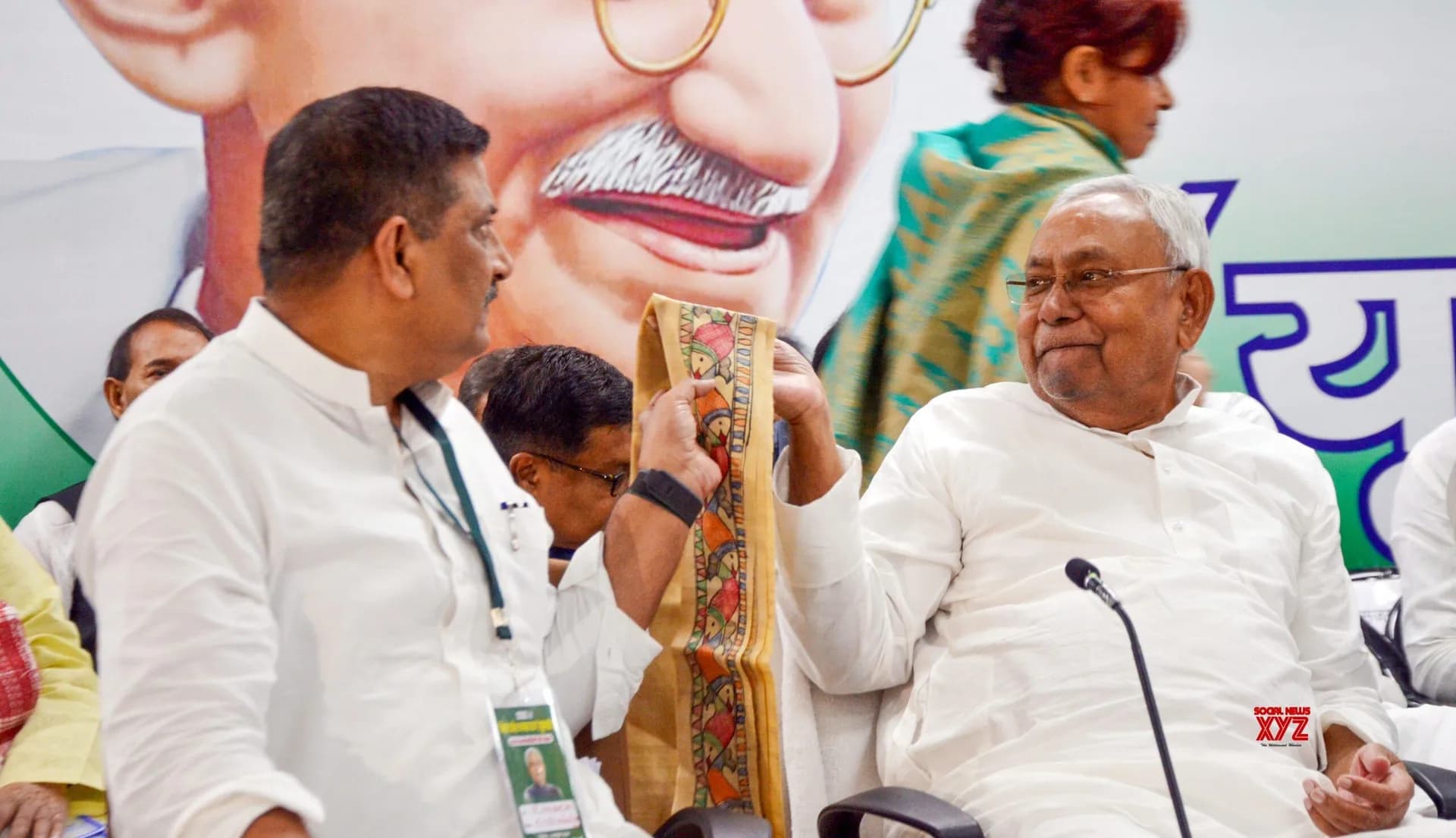
The review meeting is expected to bring together senior party leaders, including national working president Sanjay Kumar Jha, state president Umesh Kushwaha and other important representatives.
Health Minister Nishant Kumar is also expected to attend, according to reports.
The leadership is expected to examine the party's performance across the four constituencies, identify organisational difficulties and discuss the reasons behind the defeats.
The Patna Graduates' victory through Neeraj Kumar provided the JD(U) with one successful result. However, the losses in Tirhut Graduates, Saran Teachers and Darbhanga Teachers have created questions about the effectiveness of its campaign arrangements.
The party's assessment will be important in determining how it approaches future Legislative Council contests.
BJP Coordination Becomes a Point of Discussion
The election results have also brought the relationship between the JD(U) and BJP under discussion.
Two Independent candidates, Bansidhar Brajwasi and Rahul Raj, defeated JD(U)-backed candidates in the Tirhut Graduates and Saran Teachers constituencies respectively.
Their subsequent association with the BJP created additional disagreement within the NDA. JD(U) leaders have questioned the BJP's role during the elections and expressed dissatisfaction over the developments following the results.
A senior JD(U) leader was quoted as blaming the BJP's lack of support for the alliance's losses. These comments reflect the concerns expressed within the party, but they do not establish that the BJP formally worked against its ally.
The BJP's position and the explanations of the Independent MLCs remain relevant to understanding the controversy.
Internal Leadership Dynamics Also Under Focus
Apart from alliance coordination, the review has drawn attention to the relationships among senior JD(U) leaders.
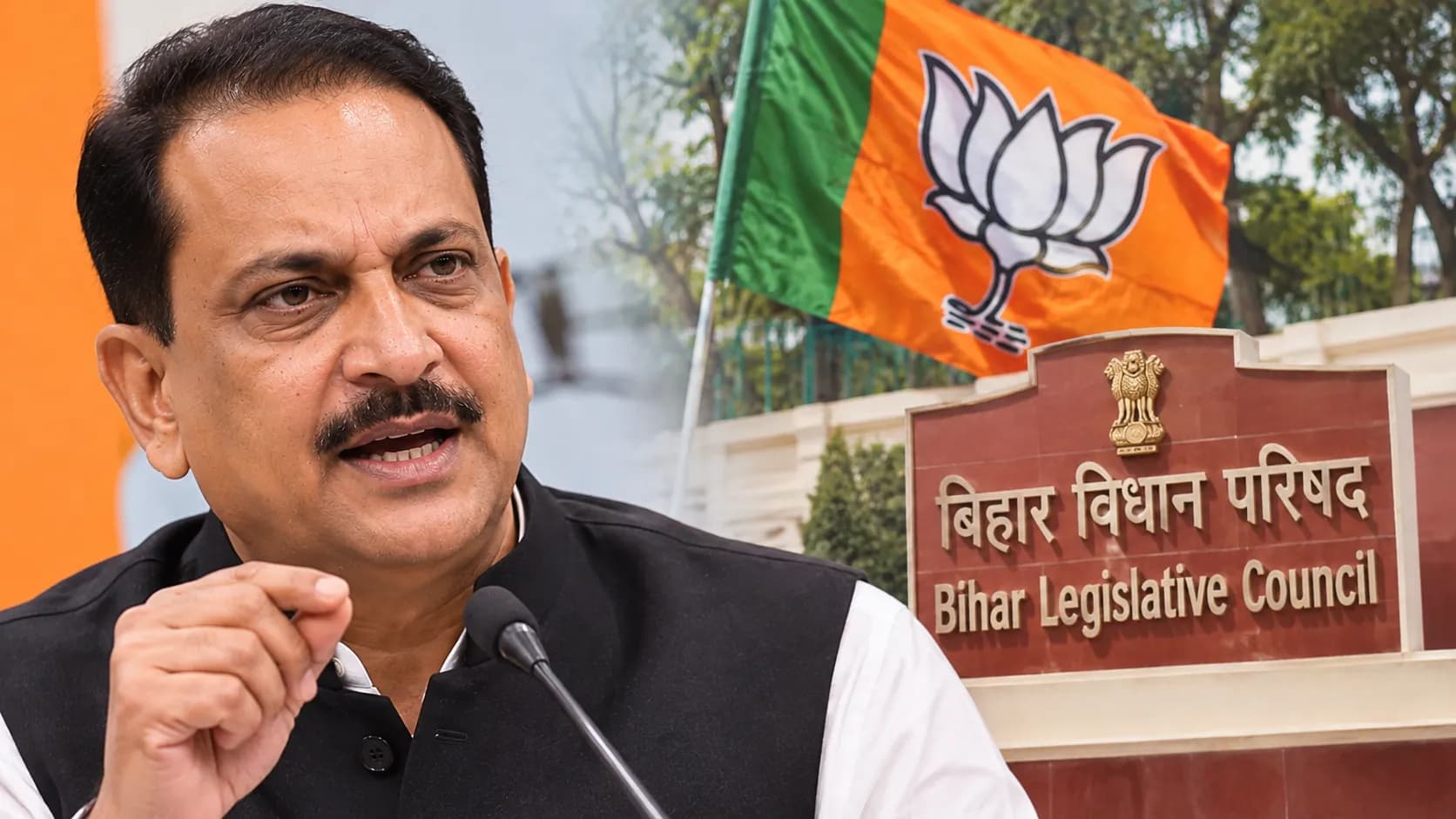
Reports have highlighted differences involving Sanjay Kumar Jha, Union Minister Rajiv Ranjan Singh, popularly known as Lalan Singh, and party spokesperson Neeraj Kumar.
Neeraj Kumar's victory in the Patna Graduates' constituency has also brought attention to his earlier disagreements with Lalan Singh. Neeraj had publicly indicated that he did not intend to meet Lalan after his election victory.
These developments have led to discussion about the distribution of organisational influence within the party.
However, the reported differences should not automatically be treated as evidence of a formal leadership dispute. The party's official position and any decisions taken after the review meeting will provide a clearer picture.
Nishant Kumar's Political Role
Another subject receiving attention is the future organisational role of Nishant Kumar, son of JD(U) leader Nitish Kumar.
His expected participation in the review meeting has renewed discussion about his position within the party's political structure.
The involvement of senior leaders in discussions concerning organisational responsibilities and future planning could become important for the JD(U), particularly as it evaluates its position within the NDA.
No formal decision about a change in the party's leadership structure should be assumed unless officially announced.
What the Review Could Mean for JD(U)
The November 5 meeting gives the JD(U) an opportunity to examine its election performance and address questions concerning its organisational arrangements.
The party's decisions on campaign coordination, internal discipline and alliance management will be important for its future political activities.
The results have also demonstrated that electoral contests within an alliance can create disagreements that continue after the voting process ends.
For now, the focus remains on the party's review and the decisions its leadership announces following the discussions.
Related Keywords
Join the discussion