Bihar MLC Polls: Two FIRs Registered Over Alleged Model Code Violations
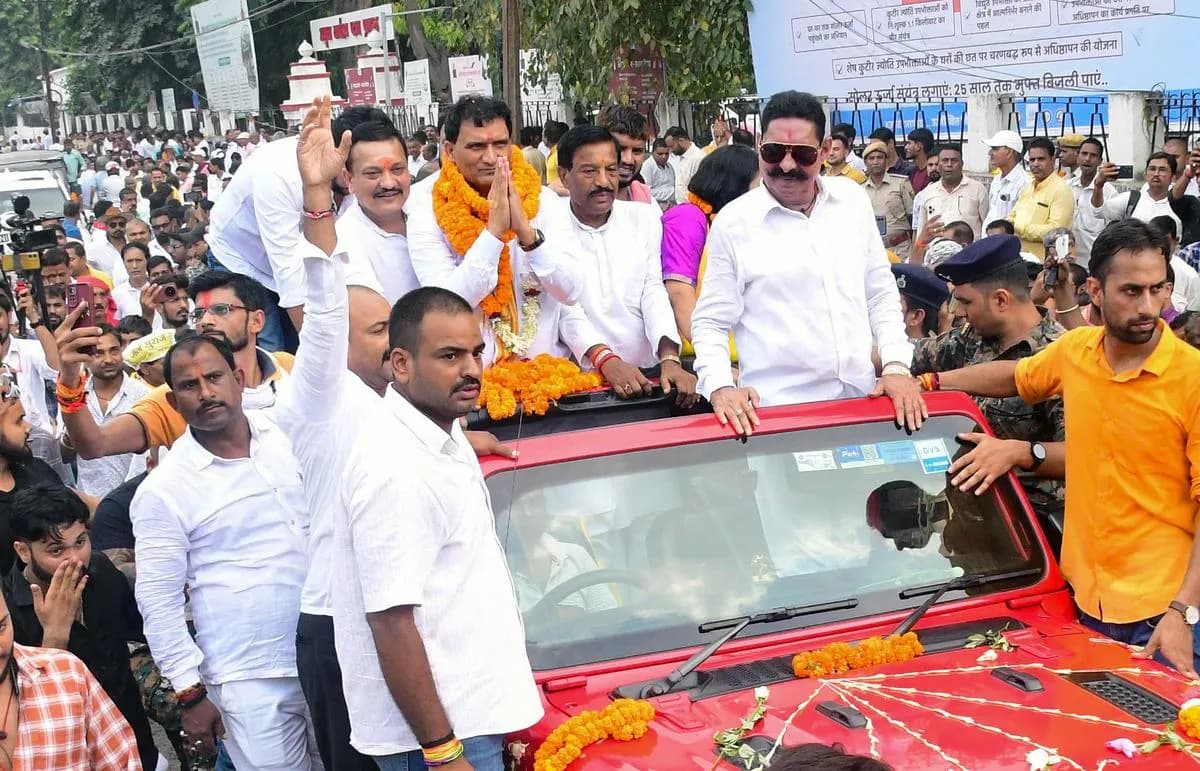
FIRs Registered During Bihar MLC Election Process
The Bihar Legislative Council elections have drawn additional scrutiny after authorities registered two first information reports (FIRs) in Patna over alleged violations of the Model Code of Conduct (MCC).
According to a report published by Hindustan on October 25, the complaints concerned political content circulated online in connection with candidates Dr Sanjeev Kumar and Divya Jyoti. The cases were registered following applications submitted by Patna Sadar Circle Officer Anuj Kumar to the cyber police.
The complaints came during the election process for eight Legislative Council constituencies, comprising four graduates’ constituencies and four teachers’ constituencies. The development has renewed attention on the rules governing political campaigning, particularly during the period when campaigning is prohibited.
Complaint Involving RJD-Backed Candidate
According to the report, one complaint concerned an interview featuring Dr Sanjeev Kumar, the RJD-backed candidate for the Patna Teachers’ constituency.
Officials reportedly received information that the interview was being circulated on Facebook through a YouTube channel on October 22. The content allegedly included references to identifying fake voters and making payments.
The complaint treated the circulation of the material as a possible violation of election rules. The allegations require examination by the authorities, and registration of an FIR does not itself establish that the candidate committed an offence.
Complaint Involving Jan Suraaj-Backed Candidate
The second complaint concerned a social-media post published on an account associated with Jan Suraaj on October 22. According to the report, the post appealed for voters to ensure a decisive victory for Divya Jyoti.
Election authorities reportedly considered the post a possible violation of the Model Code of Conduct. The complaint was forwarded for investigation, with the circumstances and responsibility for the post requiring assessment by the relevant authorities.
The two cases highlight the scrutiny applied to online political campaigning during elections. Social-media posts, videos and interviews can reach voters rapidly, making compliance with campaign restrictions an important concern for election officials.
Eight Legislative Council Seats Went to Polls
Polling for eight Bihar Legislative Council seats concluded on October 23, 2026. The constituencies included Patna, Darbhanga, Tirhut and Kosi Graduates, along with Patna, Darbhanga, Tirhut and Saran Teachers.
According to reported provisional figures, the four graduates’ constituencies recorded a combined turnout of 43.87%, while the four teachers’ constituencies recorded 74.55%. A total of 150 candidates contested the eight seats.
Counting was scheduled for October 27. The results are expected to clarify the outcome of contests involving the BJP, JD(U), RJD, Jan Suraaj and other political groups.
Why the Model Code of Conduct Matters
The Model Code of Conduct sets out guidelines for political parties and candidates during elections. Campaign restrictions are intended to support a fair electoral environment and prevent activities that could improperly influence voters.
The period immediately before polling is particularly sensitive because restrictions apply to campaigning during the prescribed silence period. Online activity can raise questions about compliance when political appeals remain accessible or are newly circulated during that period.
Authorities must examine the content, timing, circumstances and responsibility for the material before determining whether the rules were violated. A complaint or FIR is a procedural step, not a final finding of guilt.
Political Implications
The FIRs come amid a closely watched set of Bihar MLC contests and wider disagreements over voter registration, candidate eligibility and campaign conduct.
Political parties have made competing claims about the fairness of the electoral process. Such allegations should be evaluated separately from the cases involving online campaigning, with official findings needed to establish whether particular rules were breached.
As counting approaches, attention will remain on the election results and any further action taken by the authorities. The cases also underline the importance of clear campaign practices and compliance with election regulations, both online and offline.
Source: Hindustan, Patna coverage published October 25, 2026.
Related Keywords
Join the discussion