Jan Suraaj Makes Legislative Council Entry After Darbhanga Teachers' Victory, Prashant Kishor Gains Political Breakthrough
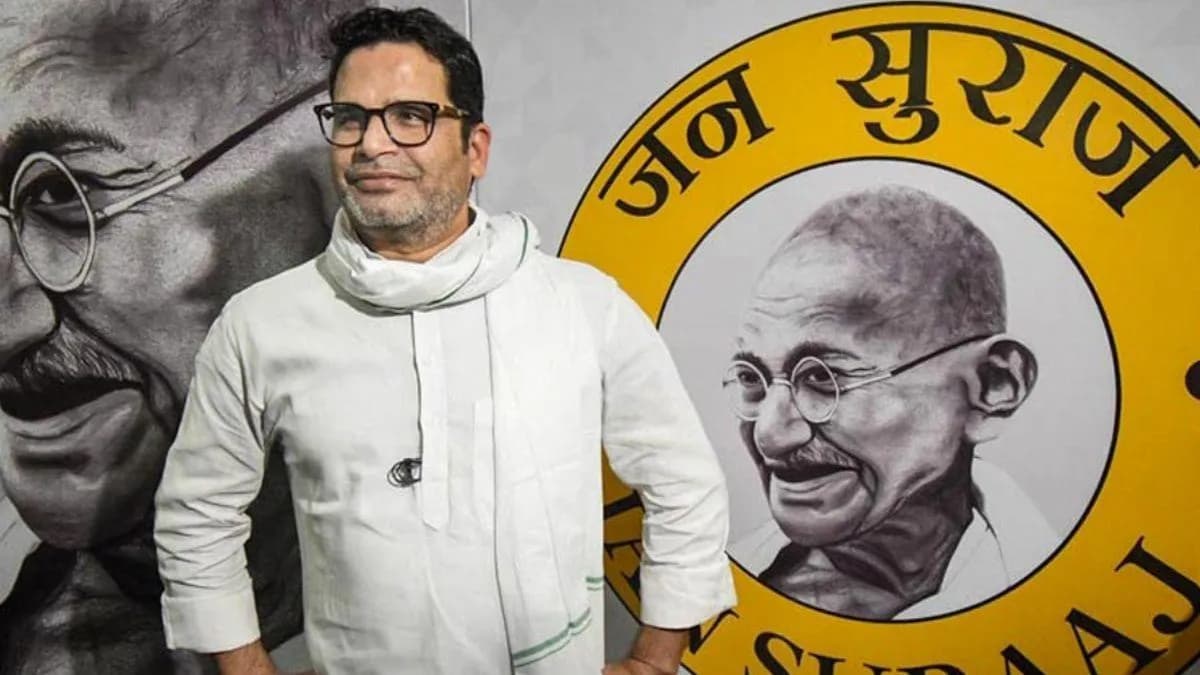
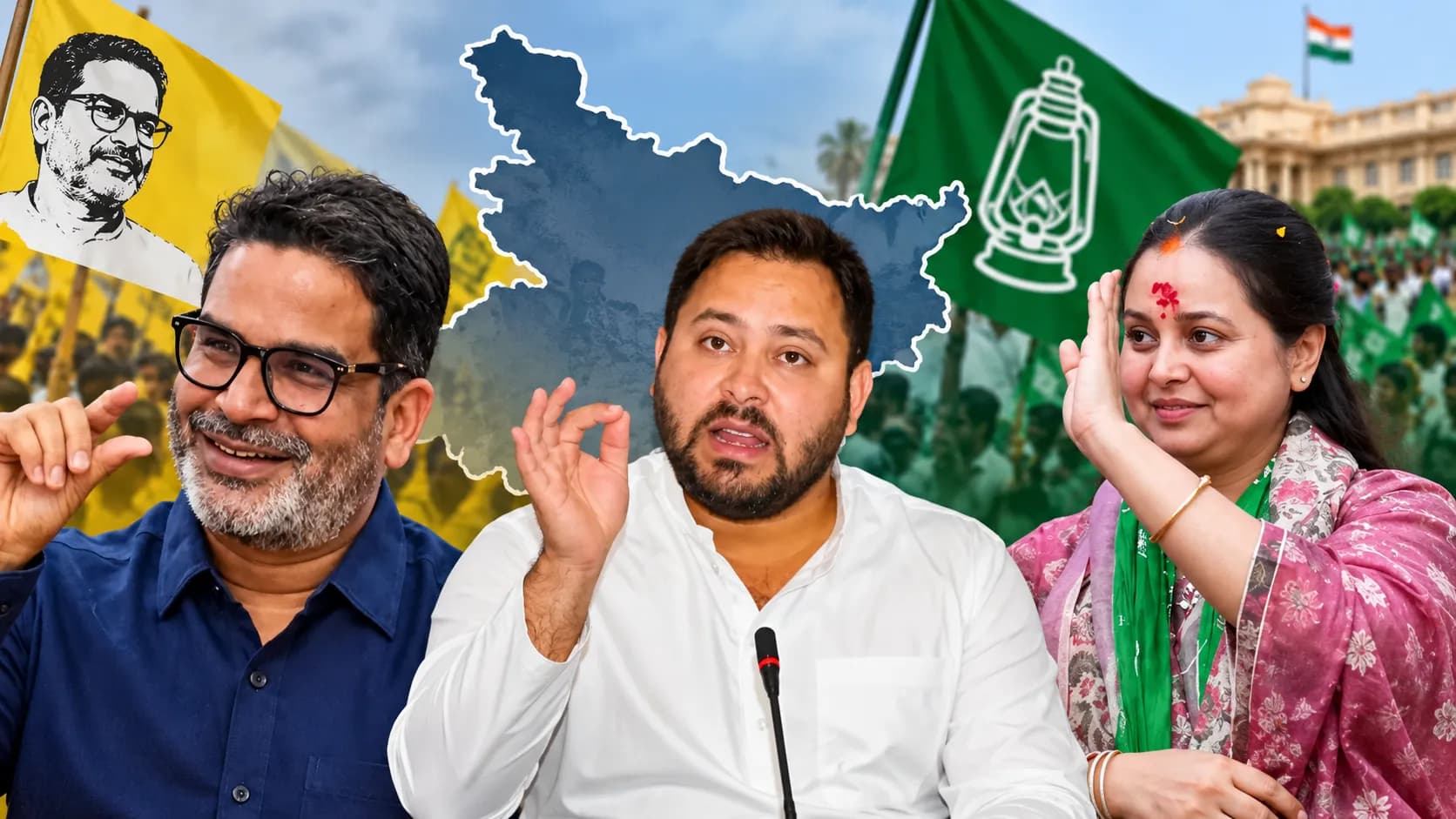
Prashant Kishor-led Jan Suraaj Party has achieved an important electoral milestone in Bihar by winning its first seat in the Bihar Legislative Council. The party's candidate, Suresh Prasad Rai, defeated sitting Congress MLC Madan Mohan Jha in the Darbhanga Teachers' constituency, marking a new development in the state's political landscape.
According to the reported final results, Suresh Prasad Rai secured 2,574 votes, while Congress candidate Madan Mohan Jha received 2,187 votes. Rai won the contest by a margin of 324 votes after the preference-based counting process.
The result, declared on October 27, represents Jan Suraaj's entry into Bihar's Upper House through an electoral victory.
Jan Suraaj Secures Its First Legislative Council Seat
The Darbhanga Teachers' constituency victory is an important development for Jan Suraaj, which has been working to establish itself as a political alternative in Bihar.
Founded by political strategist-turned-politician Prashant Kishor, the party has focused on grassroots outreach, public engagement and issues concerning education, employment, governance and development.
By securing a Legislative Council seat, Jan Suraaj has gained direct representation in one of Bihar's two legislative chambers.
The victory also provides the party with an opportunity to raise issues affecting teachers and the education sector through legislative proceedings.
Suresh Prasad Rai Defeats Congress Veteran Madan Mohan Jha
The contest between Suresh Prasad Rai and Madan Mohan Jha remained competitive throughout the counting process.
Madan Mohan Jha, a former president of the Bihar Pradesh Congress Committee, was seeking to retain his position in the Legislative Council.
However, Rai managed to secure more votes and defeated the sitting MLC by 324 votes in the final result.
The victory was particularly significant because Rai had previously contested the constituency and lost to Jha. His latest performance changed the electoral outcome in Darbhanga.
Preference-Based Counting Determines the Winner
The Darbhanga Teachers' election involved a counting process under the proportional representation system using the single transferable vote method.
During the initial counting, Suresh Prasad Rai received 2,574 votes, compared with 2,187 for Madan Mohan Jha. Communist Party of India (Marxist)-backed candidate Ramdev Rai secured 1,498 votes.
The first-preference difference was 387 votes. After the subsequent preference transfers, Suresh Prasad Rai was declared the winner by 324 votes.
A total of 7,753 ballot papers were counted, including 7,495 valid votes and 258 invalid votes, according to the reported Darbhanga results.
Other Parties Also Face Changes in Teachers' Constituencies
The Bihar Legislative Council elections produced victories for different political formations across the four Teachers' constituencies.
In Patna, RJD candidate Dr Sanjeev Kumar Singh defeated BJP veteran Nawal Kishore Yadav.
In Tirhut, BJP candidate Narendra Prasad Singh secured victory, defeating Independent candidate Bhushan Kumar Jha.
In Saran, Independent candidate Rahul Raj defeated JD(U) nominee Anand Pushkar.
The results brought changes in representation across all four Teachers' constituencies, with sitting MLCs losing their seats.
Congress Faces a Setback in Darbhanga
The defeat of Madan Mohan Jha represents a setback for Congress in the Darbhanga Teachers' constituency.
Jha had previously represented the constituency and was also a prominent organisational figure in Bihar Congress.
The result raises questions about the party's electoral position among teachers in the region. Congress will need to examine local organisational factors, candidate support and the issues raised during the election campaign.
What Jan Suraaj's Victory Means for Bihar Politics
Jan Suraaj's entry into the Legislative Council gives Prashant Kishor's political organisation an additional platform to participate in Bihar's legislative discussions.
The result also demonstrates that smaller political formations can compete with established parties in specialised constituencies such as Teachers' and Graduates' seats.
However, the Darbhanga result should be viewed in the context of its specific electorate rather than treated as a direct indicator of voting patterns in a statewide Assembly election.
With representation in the Legislative Council, Jan Suraaj will now face the challenge of translating its electoral victory into sustained legislative participation and organisational expansion.
The Darbhanga result has therefore become an important development in Bihar politics, adding a new player to the state's legislative landscape and bringing renewed attention to the role of teachers in political representation.