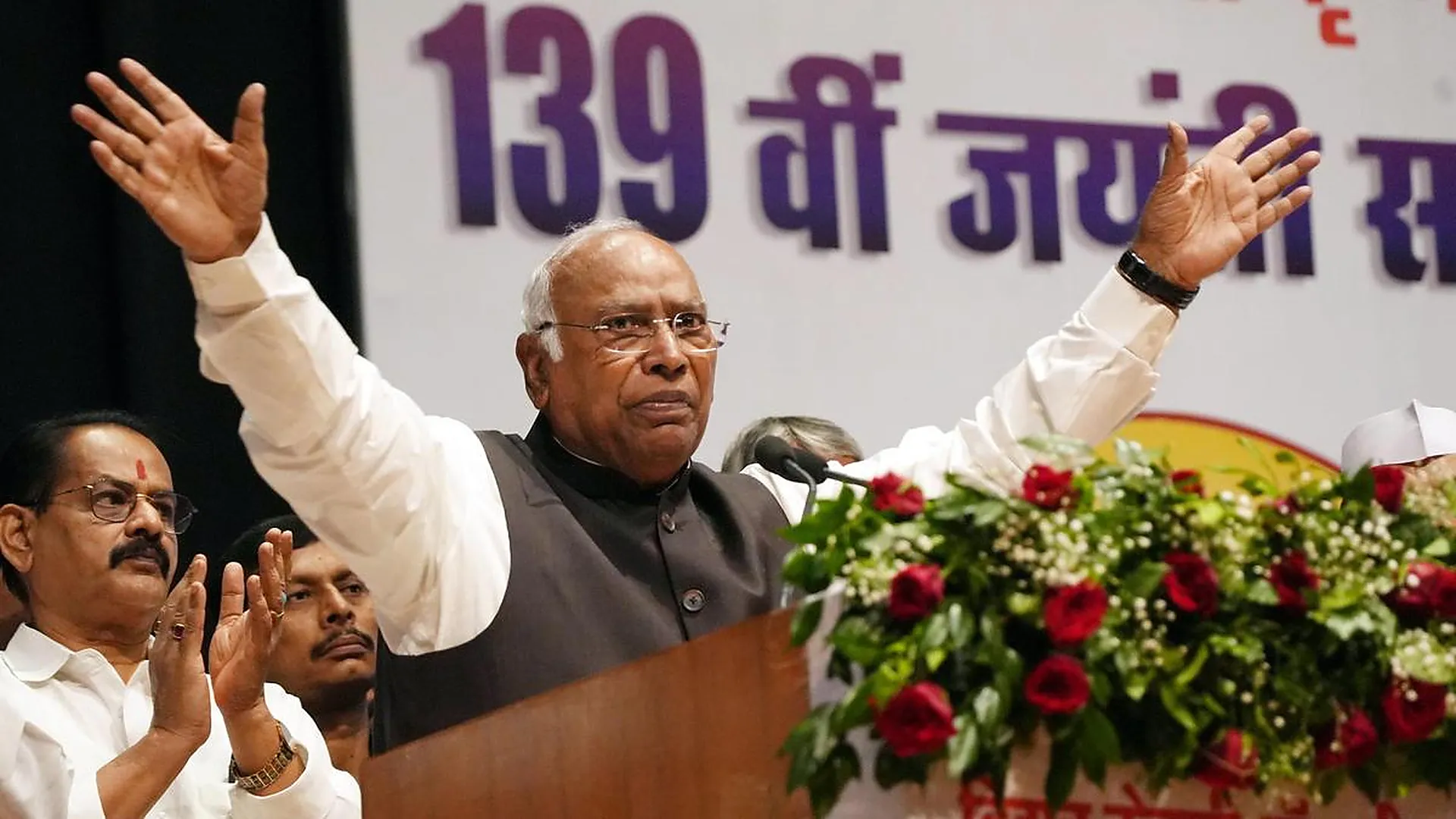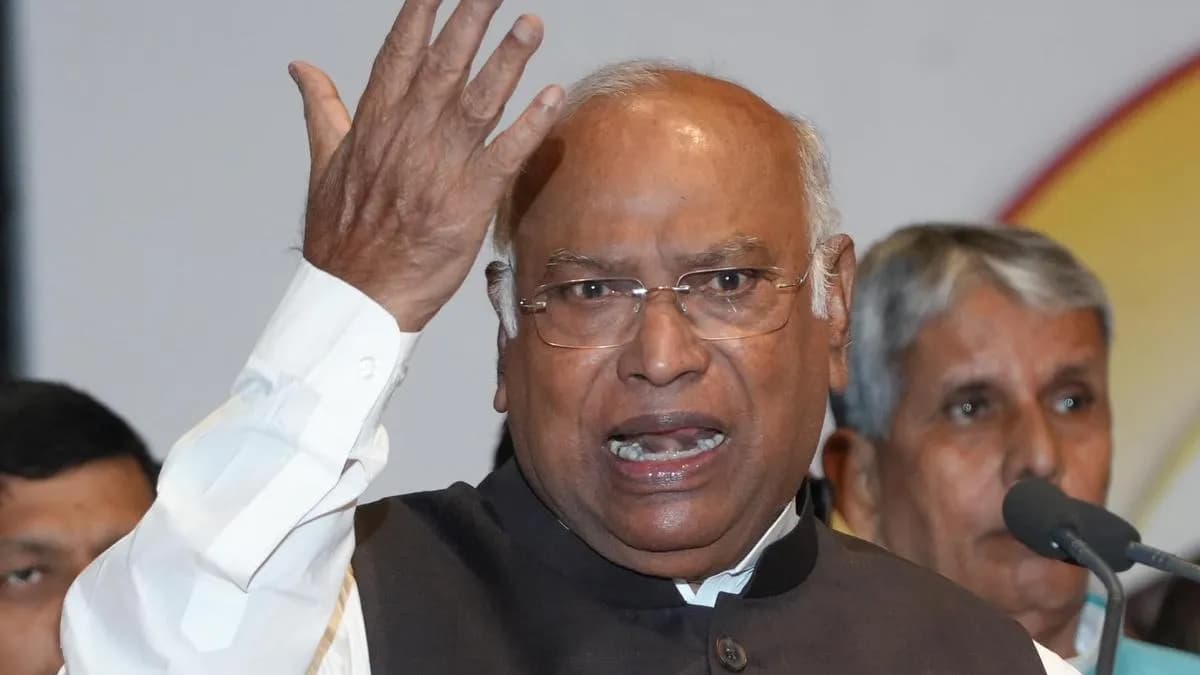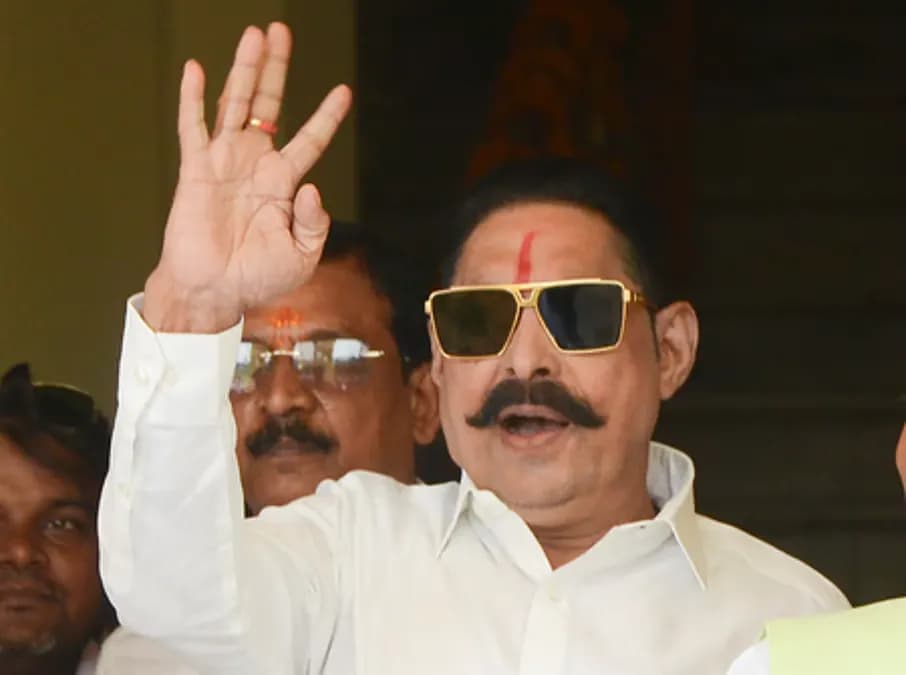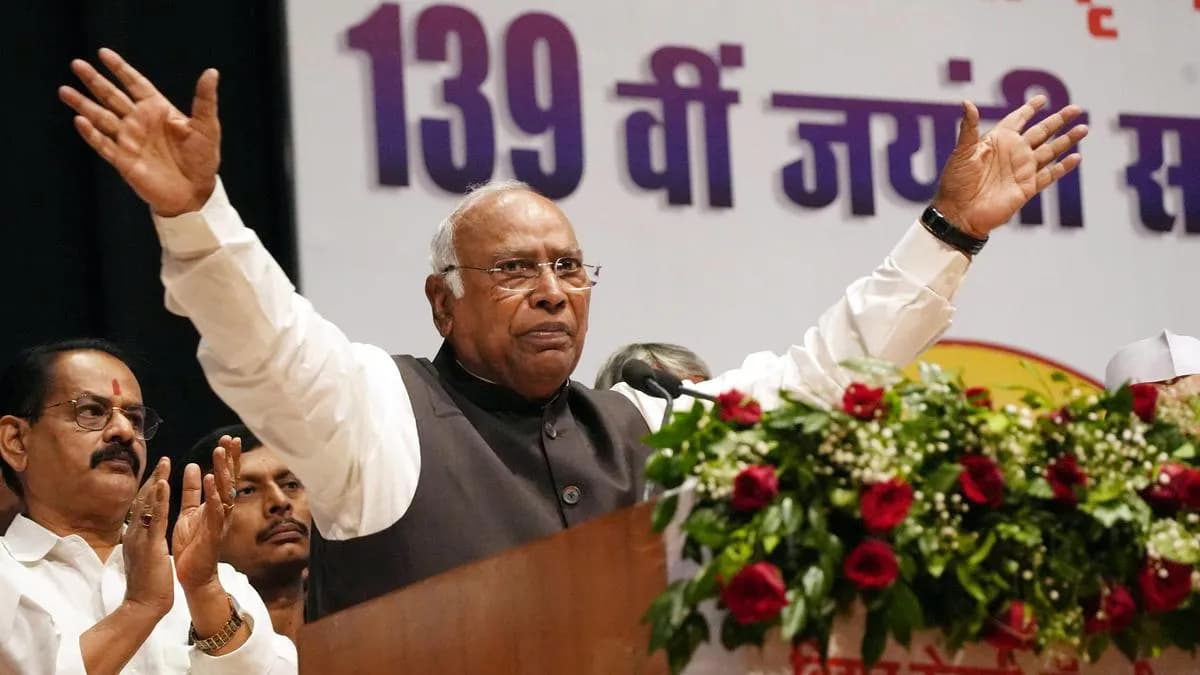
Anant Singh Plans New Political Party After JD(U) Expels Him and Wife for Six Years
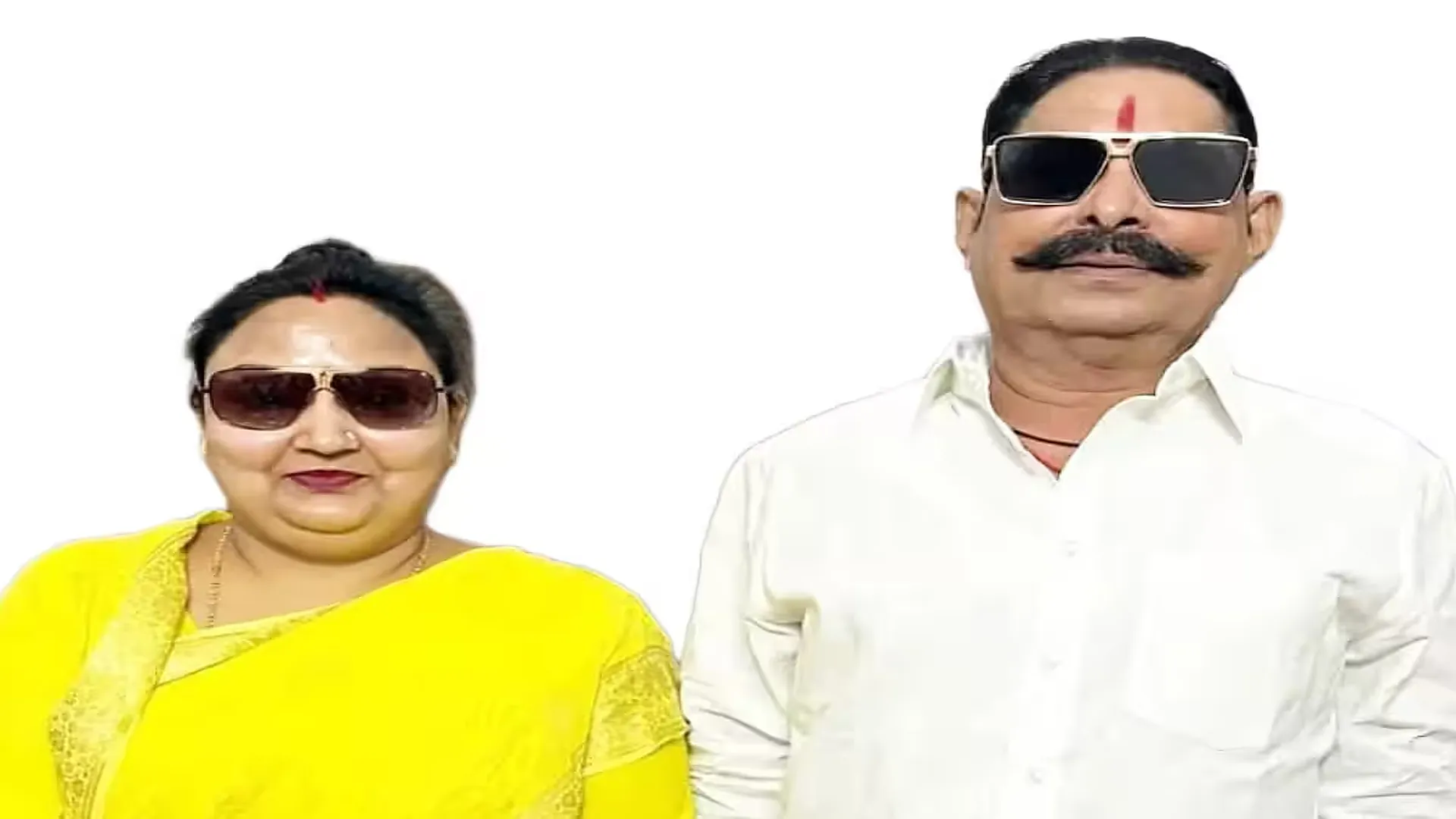
Bihar's political landscape has seen a fresh development after Mokama MLA Anant Singh announced plans to form his own political party following his expulsion from Janata Dal (United), or JD(U). The announcement came after JD(U) expelled Singh and his wife, former MLA Neelam Devi, for six years over alleged anti-party activities.
The dispute has brought internal party discipline, candidate support and political competition in Bihar into focus.
Why Did JD(U) Expel Anant Singh?
According to reporting published on October 25, the disciplinary dispute followed Singh's support for Jan Suraaj candidate Anuj Singh against JD(U) nominee Neeraj Kumar in the Patna Graduates' constituency election.
The party treated the action as anti-party activity and announced the expulsion of Anant Singh and Neelam Devi for six years.
The development illustrates the importance political parties place on maintaining discipline during elections. When a legislator publicly supports a candidate competing against the party's nominee, the leadership may view it as a challenge to its authority and election strategy.
The exact party order and its stated grounds should be checked before publication. The expulsion is a party decision; it should not be described as a legal disqualification from the Assembly unless a separate competent authority makes such a determination.
Singh Announces Plans for a New Party
Following his expulsion, Singh announced plans to establish a new political organisation. He questioned the authority of the leaders responsible for the disciplinary decision and criticised JD(U)'s political direction.
Singh also argued that the party's future was closely connected to Nitish Kumar's leadership. His comments signal a possible attempt to establish an independent political platform after the breakdown in his relationship with JD(U).
However, an announcement of intent is not the same as the formal launch of a registered political party. The party's name, organisational structure, registration status and electoral plans need to be confirmed separately.
Why the Dispute Matters in Bihar
Anant Singh represents Mokama, a constituency with its own local political dynamics. His decision to leave JD(U) and pursue a separate organisation could affect relationships among local leaders and party workers.
But the consequences should not be assumed in advance. A legislator's political influence, a party's organisational reach and the support available to a new organisation are different questions.
A new party must establish a structure, identify candidates, build relationships with voters and explain its political priorities. Public recognition can attract attention, but sustained electoral participation requires an organisation capable of operating beyond one leader.
JD(U)'s Organisational Challenge
For JD(U), the expulsion underscores the difficulty of balancing party authority with the political calculations of individual legislators.
Parties depend on members following official decisions, particularly during elections. At the same time, disciplinary action can create disagreements with local leaders who have their own support networks.
The impact on JD(U) will depend on whether the dispute remains limited to the individuals involved or creates wider organisational tensions. Further statements and decisions from the party may clarify its position.
What Happens Next?
The next developments to watch are the formal establishment of Singh's proposed party, any response from JD(U), and whether the dispute affects political activity in Mokama or the wider state.
The announcement marks a new stage in the disagreement, but it does not establish how Singh's future organisation will perform electorally.
The episode provides a useful example of how conflicts over party discipline can lead to changes in political affiliation and attempts to create new organisations in Bihar.