Bihar Education Audit Flags Alleged Salary Irregularities in Nawada, Patna and Bhagalpur
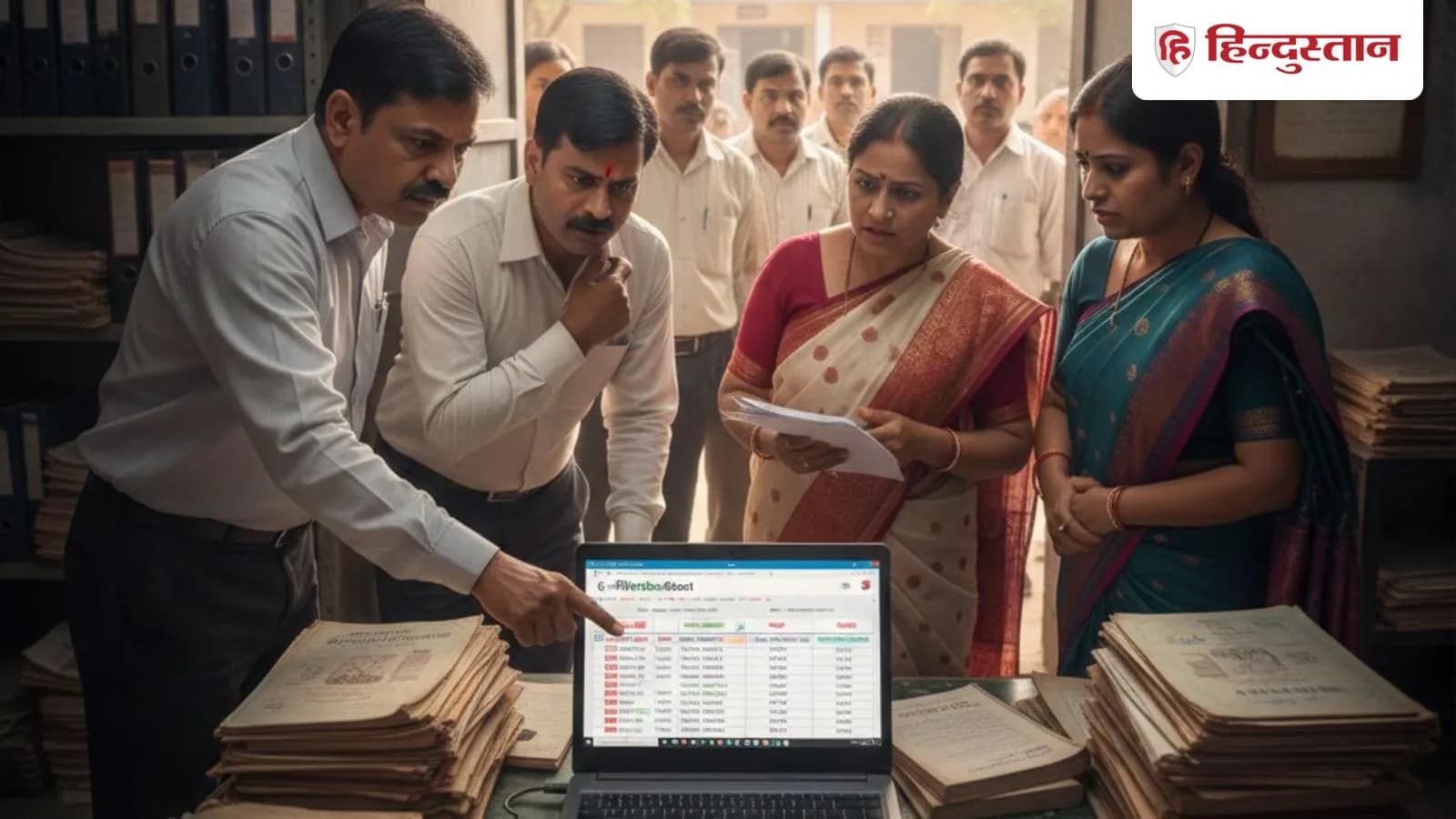
Patna, October 29, 2026: An internal audit of Bihar's education department has flagged alleged irregularities in teacher salary payments and employee records in Nawada, Patna and Bhagalpur, according to reports published by The Indian Express and Jansatta.
The reported findings include allegedly inflated salary payments, unauthorised access to official payroll systems and payments linked to non-existent teachers. The findings have raised questions about payroll verification and financial controls within the state's education administration.
What Did the Audit Find?
According to Jansatta, three cases involved alleged financial irregularities amounting to approximately ₹1.85 crore. The reported issues included changes to salary records, misuse of official login credentials and payments made in the names of allegedly non-existent employees.
One reported case in Nawada involved a teacher's approved monthly salary of ₹46,772 being increased to ₹4,91,772, resulting in an alleged unauthorised payment of ₹10.44 lakh.
Other cases reportedly involved alleged misuse of payroll access and payments connected to employee records that were under investigation. These allegations require assessment through the relevant departmental and police investigations.
Government Orders Wider Scrutiny
The reports state that the education department's review has extended beyond the three districts. Education Minister Mithilesh Tiwari said all 38 districts were being scrutinised, with the audit expected to be completed by mid-November.
The government is also examining how salary records are created, checked and approved through the Human Resource Management System (HRMS) and associated payment processes.
Why Payroll Verification Matters
Accurate payroll records are essential for ensuring that public funds reach eligible employees and that government expenditure is properly documented.
Controls over employee registration, salary changes and system access can help detect unauthorised transactions. Independent verification and timely action on confirmed irregularities are also important for maintaining public confidence.
The review may help identify weaknesses in existing processes and determine whether further administrative or legal action is required.
What Happens Next?
The next steps will depend on the findings of the district-level scrutiny and any investigations conducted by the relevant authorities. Officials will need to establish the facts of each case, identify responsibility where misconduct is proven and take appropriate action under the applicable rules.
The reported audit findings are allegations and should not be treated as proof of guilt against any individual before the investigation and due process are completed.
Conclusion
The reported audit findings have brought attention to payroll management and financial oversight in Bihar's education department. With scrutiny reportedly extending across all 38 districts, the key issues will be verification of employee records, recovery of any confirmed unauthorised payments and stronger safeguards for government payroll systems.