Prashant Kishor Challenges Bihar CM Samrat Choudhary as Jan Suraaj Seeks Greater Political Space
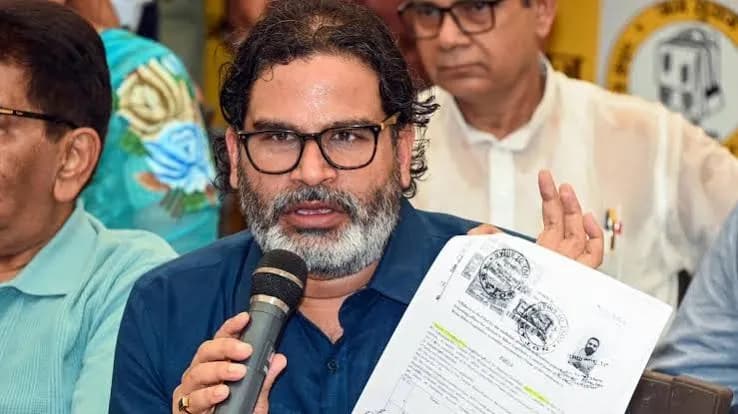
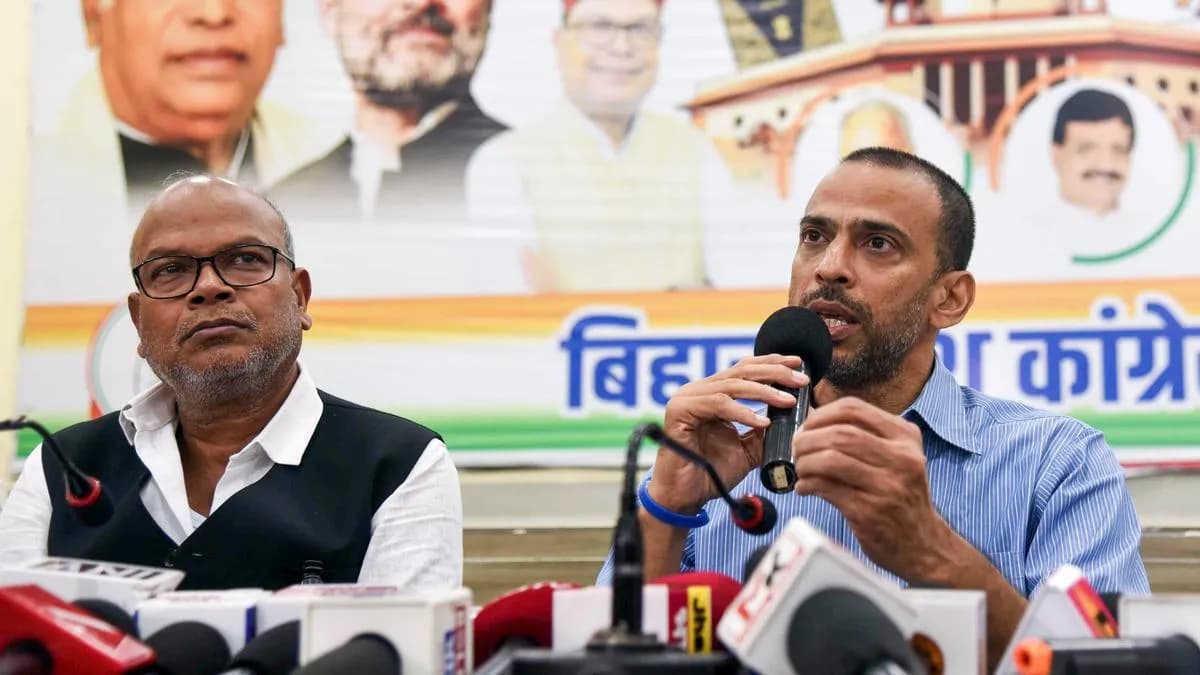
Bihar politics is witnessing a fresh contest for political space as Jan Suraaj Party founder Prashant Kishor continues to challenge Chief Minister Samrat Choudhary and the BJP-led government. A report published by India Today on October 15, 2026, examined how Kishor's criticism has attracted attention despite his party's limited representation in the state legislature.
The political situation presents a challenge for Choudhary, who became Bihar's first BJP chief minister after succeeding Nitish Kumar. His government must establish its own political authority while managing relationships within the National Democratic Alliance (NDA), according to the report.
Prashant Kishor Steps Up Criticism of the Government
Prashant Kishor has continued to question the state government's functioning and has criticised Samrat Choudhary on political and governance issues. His interventions have kept Jan Suraaj in the public debate despite the party's limited legislative presence.
Kishor has also raised concerns about the government's record and political accountability. His criticism forms part of Jan Suraaj's effort to establish a distinct identity in Bihar's competitive political environment.
The impact of this approach will depend on whether the party can sustain public engagement and translate its political messaging into broader organisational support.
Samrat Choudhary Faces the Challenge of Coalition Management
Choudhary assumed the chief minister's office following Nitish Kumar's long period of influence in Bihar politics. The transition has placed attention on his leadership style, government priorities and ability to coordinate with NDA allies.
The coalition includes parties with their own organisational interests and political ambitions. Managing those relationships while pursuing the government's agenda remains an important aspect of Bihar's political landscape.
Developments involving disagreements within the NDA have added to the challenges facing the ruling alliance. However, individual disputes should be distinguished from any formal change in the coalition's composition or support.
Jan Suraaj Seeks a Larger Role in Bihar Politics
Jan Suraaj has sought to position itself as an alternative political voice in Bihar. Kishor's public criticism of the government has helped keep the party visible in discussions about governance and political accountability.
Its limited legislative representation, however, means that the party's influence must be assessed separately from its public profile. Sustained organisational activity, engagement with voters and its performance in future electoral contests will be important measures of its development.
The party's strategy also places it in a political environment where the BJP, JD(U), RJD, Congress and other regional players have established organisational networks.
Electoral Accountability Remains a Wider Political Issue
Alongside the confrontation between Kishor and Choudhary, electoral processes remain a source of political disagreement in Bihar.
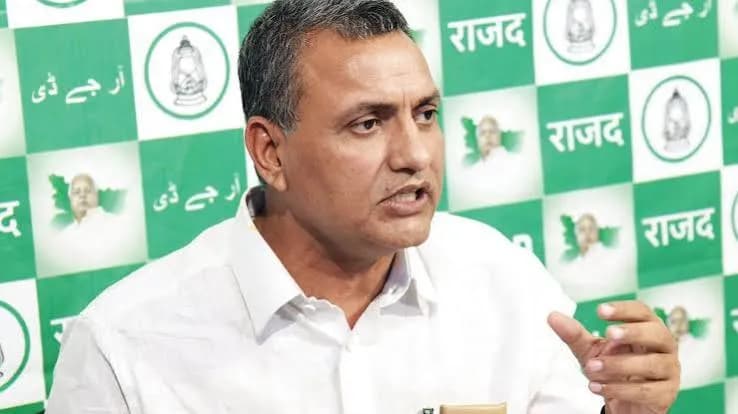
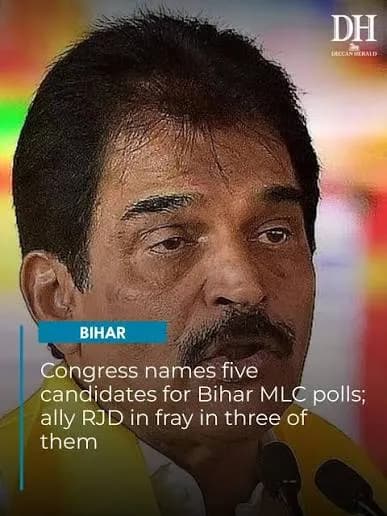
Opposition parties, including the RJD and Congress, have raised objections to the Special Intensive Revision (SIR) of electoral rolls and demanded action against Chief Election Commissioner Gyanesh Kumar. On October 7, opposition parties held demonstrations at block headquarters across the state as part of their campaign.
The dispute has contributed to continuing tensions between opposition parties and the authorities. Allegations concerning electoral irregularities remain contested and should be evaluated against official records and responses from the Election Commission.
What Lies Ahead for Bihar Politics?
The coming months will test how the BJP-led government manages its alliance relationships and responds to criticism from opposition parties and emerging political groups.
For Jan Suraaj, maintaining visibility is only one part of the challenge; building a durable organisation and demonstrating wider public support will also matter. For the ruling alliance, governance priorities and internal coordination will remain central to its political management.
Bihar's political contest is therefore unfolding across several fronts, including government leadership, coalition coordination, electoral accountability and the emergence of alternative political voices.
Editorial note: This article draws on reporting published on October 15–16, 2026. Political assessments are attributed to the cited reporting, and allegations are not presented as established findings.