Land Encroachment Complaint Against Maithili Thakur’s Father Raises Questions in Darbhanga
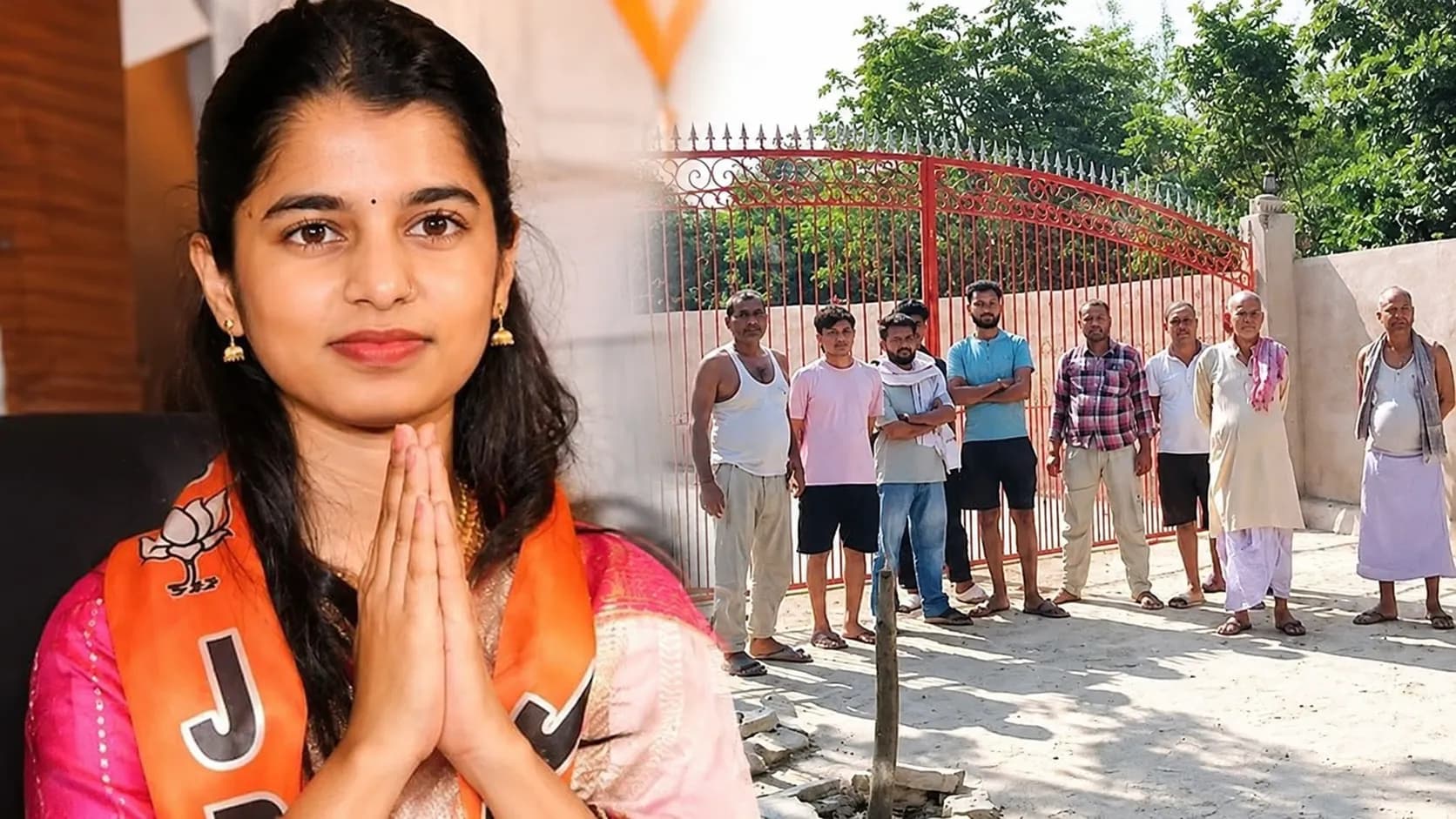
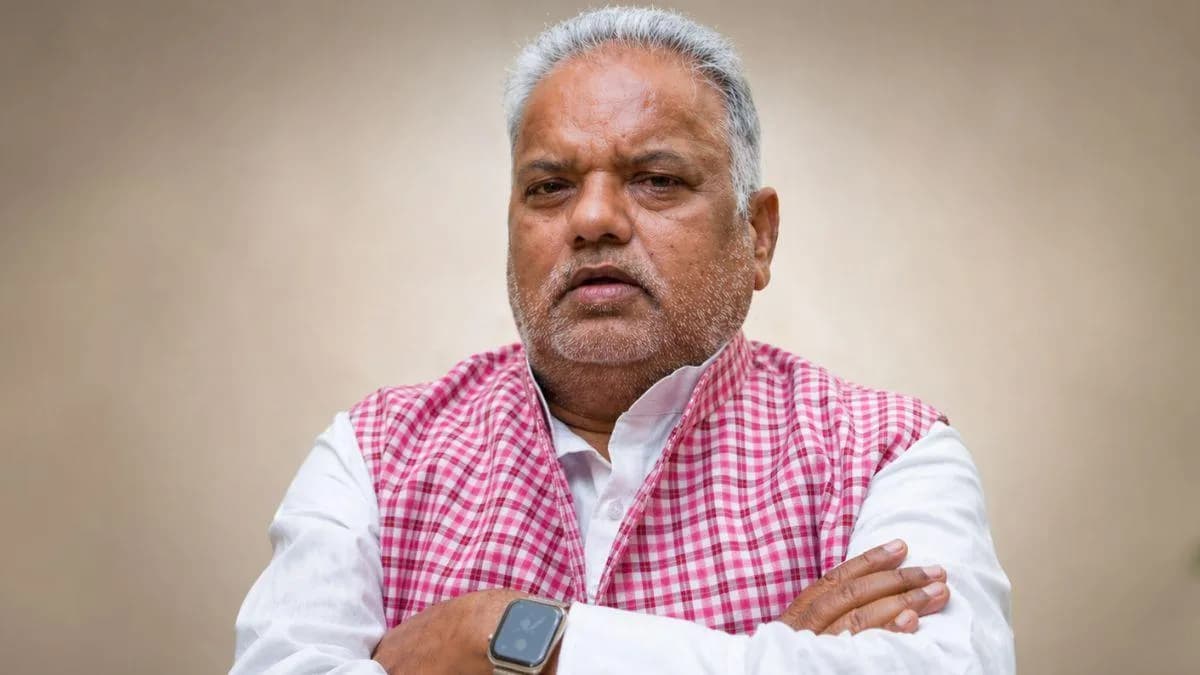
DARBHANGA, November 12, 2026: A land dispute involving the family of BJP MLA Maithili Thakur has become a subject of public attention in Darbhanga after residents of Pokharbhinda submitted complaints alleging encroachment on private and public land by her father, Ramesh Thakur.
The complaints have raised questions about the ownership and use of several disputed properties, including private plots, a government road and areas associated with village religious and community sites.
The matter has attracted additional attention because Maithili Thakur represents the Alinagar Assembly constituency and is associated with the ruling BJP. However, the complaints concern allegations against her father. They should not automatically be treated as evidence of wrongdoing by the MLA herself.
The immediate issue is now the administrative examination of the disputed land and the claims made by the residents.
What Triggered the Complaint?
Residents of Pokharbhinda have approached local revenue authorities with complaints concerning land that they claim has been occupied or affected by construction and other activities.
One of the complainants, Gagan Kumar Mishra, reportedly raised an objection involving approximately three decimals and 14 dhurs of land. The complaint alleges that a boundary wall and gate were constructed on the disputed property.
Other residents have raised separate concerns relating to soil excavation, possible damage to trees and the status of land used by the wider village community.
The complaints also refer to the village deity's site, a Radha-Krishna temple, government land and a public road. A further allegation concerns the filling of an area connected with a pond's drainage channel.
These are claims submitted by residents. Whether the properties were actually encroached upon will depend on land records, physical measurements and the findings of the competent authorities.
Revenue Administration Orders Measurement
The local administration has reportedly taken up the complaints for examination.
Circle Officer Alok Kumar directed the revenue employee and circle amin to measure the disputed properties and submit a report to the circle office within five days.
The measurement process is significant because land disputes cannot be settled merely through competing verbal claims. Authorities generally need to examine ownership documents, recorded boundaries, land classification and the actual physical position of the property.
The report may help establish whether the disputed structures fall within privately owned plots, public land or another recorded category.
The administration is also expected to call the concerned parties for a public hearing. This would provide an opportunity for complainants and the people named in the complaints to present their respective positions.
Why Public Land Claims Matter
The complaints are not limited to a disagreement between two private landowners. Some of the allegations concern areas reportedly used by the wider village community.
Public roads, drainage channels, ponds and religious or community sites can have significance beyond individual ownership.
If a public pathway is obstructed, residents may face difficulties accessing homes or common facilities. If a drainage channel is affected, it can alter the movement of water and create disputes involving neighbouring properties.
Similarly, land associated with village institutions may have a different legal status from privately owned plots. The recorded classification and relevant documents are therefore essential to any final assessment.
The inquiry will need to establish the nature of each disputed parcel separately rather than treating all complaints as one single issue.
Political Attention Around an Elected Representative's Family
The involvement of a family member of a sitting MLA naturally brings political attention to the dispute.
Public representatives are expected to maintain accountability and ensure that complaints involving their constituencies receive proper attention. At the same time, a family connection should not be treated as proof of responsibility for an alleged violation.
For the BJP, the episode may attract questions from residents and political opponents about how the matter is handled. For the local administration, the central responsibility is to conduct an impartial examination based on records and evidence.
Any political response should remain separate from the official findings.
What Residents Will Be Watching
The next important development is the measurement report expected from the revenue officials.
Residents will likely look for clarity on the boundaries, ownership status and classification of the land mentioned in their complaints. The public hearing may also provide an opportunity for the authorities to address competing claims.
If the administration identifies any violation, further action would have to follow the applicable legal process. If the allegations are not supported by the records, the findings should clearly explain the basis for that conclusion.
Until the report and official findings are available, the complaint should remain an allegation under examination.
The Larger Question of Local Accountability
Land disputes frequently become politically sensitive when they involve influential individuals or families connected to public office.
The credibility of the local administration depends on whether complaints are investigated consistently, regardless of the social or political position of the people involved.
In Darbhanga, the immediate test will be whether the measurement and hearing process provide a transparent explanation to the residents.
The case is therefore not simply about political attention surrounding an MLA's family. It is also about the ability of local institutions to resolve disputes involving private rights and community property through evidence and due process.
Join the discussion