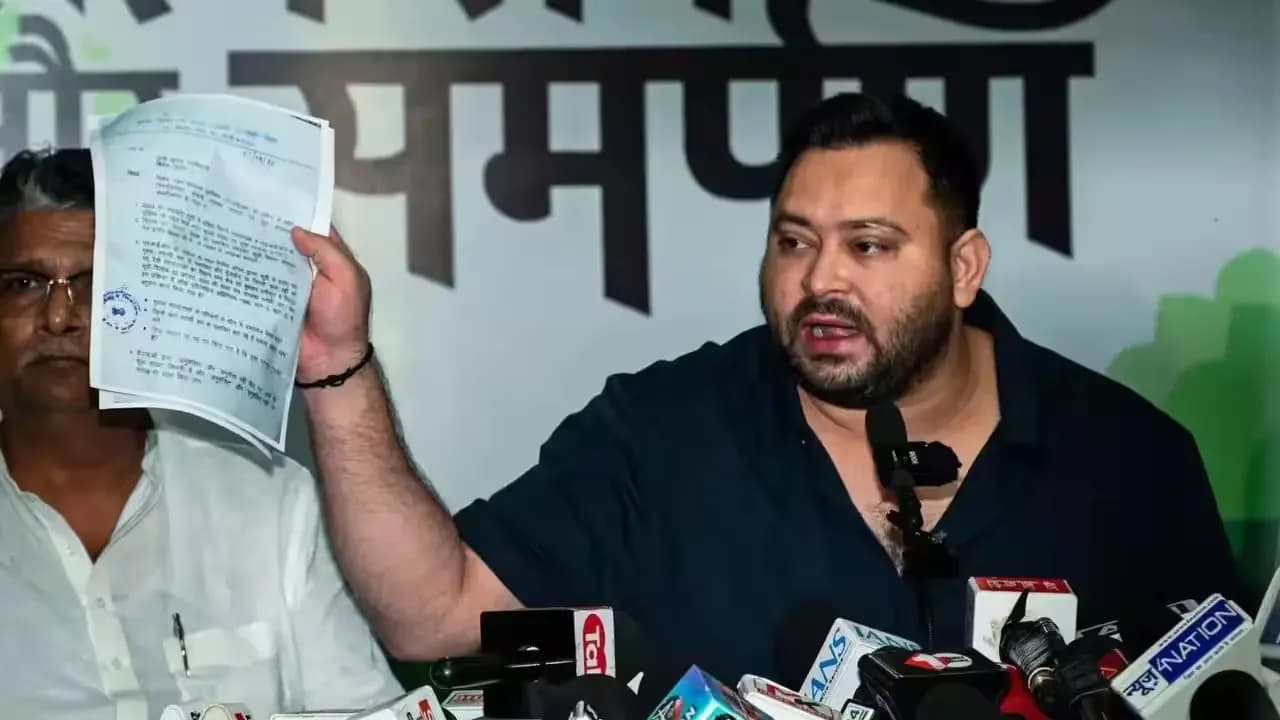
Jan Suraaj's Political Strategy in Bihar: Prashant Kishor's Focus on Governance and Public Participation
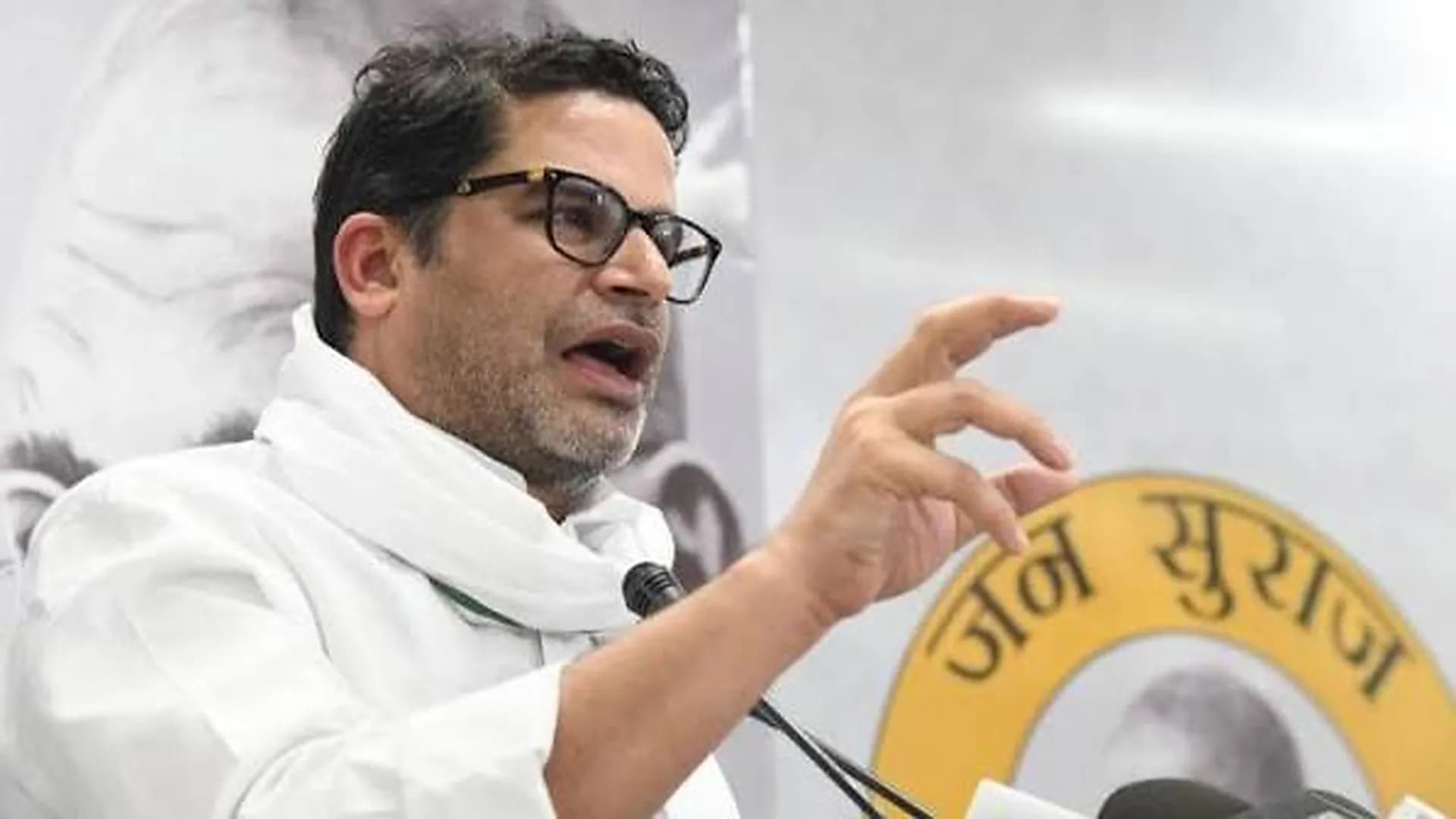
Jan Suraaj's Political Strategy in Bihar: Prashant Kishor's Focus on Governance and Public Participation
Jan Suraaj presents itself as a political initiative focused on public participation, organisational development and changes in how politics engages with citizens in Bihar.
Its official website describes its objective as bringing people into the political process and encouraging collective participation in the state's development. The website identifies Prashant Kishor as the initiative's guiding figure, Uday Singh as national president and Manoj Bharti as state president.
These stated objectives provide a basis for examining the organisation's political approach. Its actual performance, however, must be assessed through verifiable organisational activities, candidate records, policy proposals and election results.
From Political Messaging to Organisation
Political movements need organisational structures to translate public messaging into sustained activity.
Jan Suraaj's official platform emphasises participation and engagement. Its website invites people to become volunteers and members and provides information about the organisation's leadership.
These activities indicate how the organisation presents its structure and seeks public involvement. They do not, by themselves, establish the number of active members, the level of support in different districts or the effectiveness of its organisational network.
Those questions require verifiable information, such as documented membership procedures, public programmes and official election records.
Prashant Kishor's Role
Prashant Kishor is associated with Jan Suraaj's political messaging and public engagement.
His role brings attention to questions about how the organisation intends to turn its stated priorities into policy and administrative proposals.
For voters, the important issue is the substance of those proposals. Political commitments can be evaluated by asking how they would be funded, which institutions would implement them, what timelines would apply and how results would be measured.
Claims about the organisation's popularity or likely electoral performance should not be presented as facts without appropriate evidence.
Leadership and Organisational Accountability
Jan Suraaj's website identifies Uday Singh as national president and Manoj Bharti as state president.
Leadership responsibilities include establishing organisational priorities, coordinating activities and communicating policy positions.
The structure also raises practical questions about how decisions are made, how local units operate and how the organisation responds to public concerns.
These questions are relevant to any political party. An organisation's stated commitment to public participation should be assessed through its documented procedures and actual activities rather than its promotional language alone.
Election Participation and Political Competition
Elections provide a formal way to assess a party's ability to organise candidates, communicate its proposals and secure votes among eligible voters.
For Graduate and Teachers' constituency elections, the relevant electorates are narrower than the general electorate. Consequently, results from these constituencies should not be treated as a direct measurement of support across all of Bihar.
Candidate selection, eligibility requirements and the final results should be checked against official election records.
Where Jan Suraaj criticises a rival party or alleges a failure in government, the original statement should be identified and the factual basis examined. Responses from the relevant party or authority should be included when available.
Policy Commitments and Public Accountability
A political organisation's credibility can be examined through the specificity of its proposals.
For example, statements about education should identify the intended changes in schools or higher education. Proposals concerning employment should explain the expected mechanisms for creating opportunities. Governance commitments should identify the administrative changes being proposed.
Specific commitments make it easier for citizens to assess whether an organisation has followed through on its stated objectives.
Conclusion
Jan Suraaj's official platform emphasises public participation and political engagement in Bihar. Its organisational leadership and policy messaging provide several areas for further reporting.
A factual assessment should focus on documented activities, verifiable proposals and official election results rather than predictions about the organisation's future.
Related Keywords
Join the discussion