From Village to City: How Local Elections Shape Politics in Bihar
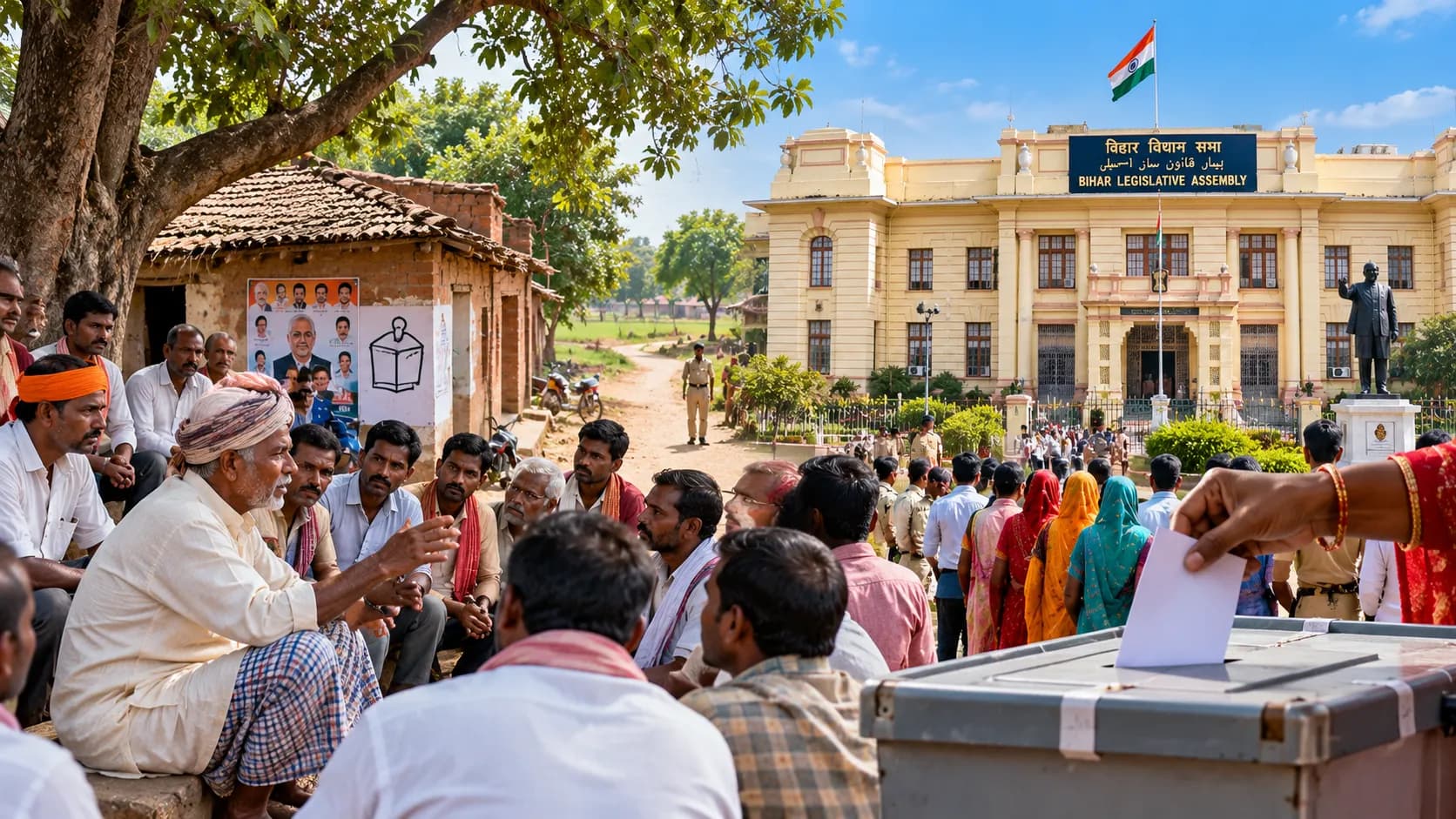
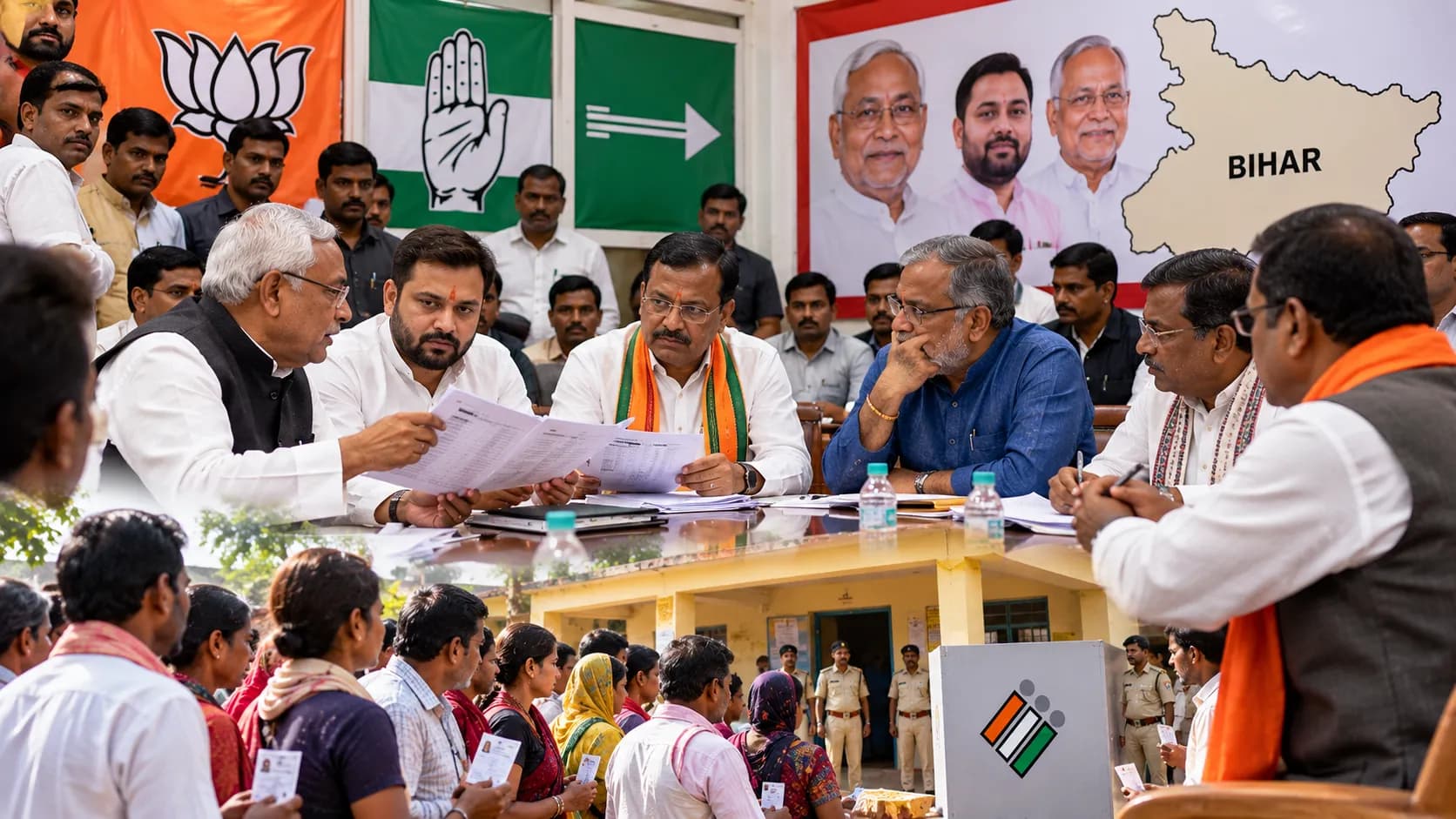
When people hear about Bihar politics, they often think about major political parties, the Chief Minister and Assembly elections. But political decisions also matter at the village, block and city levels.
Local elections allow people to choose representatives who work on issues affecting their immediate surroundings. These elections are an important part of democratic participation in Bihar.
What Are Local Elections?
Local elections are held for rural and urban local bodies.
In rural areas, people elect representatives to institutions such as Gram Panchayats, Panchayat Samitis and Zila Parishads. In urban areas, elections are held for bodies such as Nagar Nigams, Nagar Parishads and Nagar Panchayats.
These institutions have different responsibilities connected with local administration and public services.
Who Conducts These Elections?
The State Election Commission, Bihar, is responsible for the preparation of electoral rolls and the conduct of elections to rural and urban local bodies.
The Commission works under the constitutional framework and relevant state laws.
This is different from Lok Sabha and Assembly elections, which are conducted by the Election Commission of India.
Why Are Local Elections Important?
Local elections give residents an opportunity to choose representatives who understand the problems of their areas.
People may raise questions about local roads, drainage, sanitation, drinking water, street lighting and other civic matters with their elected representatives.
These issues may appear small at the state level, but they can have a direct effect on everyday life.
How Do Local Elections Affect Bihar Politics?
Local elections help political parties and independent candidates build connections with people outside major state-level campaigns.
They also create opportunities for new leaders to take part in public life. Some local representatives may later become active in wider political organisations.
However, local election results should not automatically be treated as a prediction of Assembly or Lok Sabha results. The voters, candidates and local issues can be different.
The Role of Citizens
Democracy does not end after voting. Citizens can follow the work of their local representatives, attend public meetings where available and raise questions about local issues.
They can also check official election information and verify candidate details before voting.
Local elections are an important part of Bihar's political system because they connect democracy with people's everyday lives. Strong public participation and accountable representatives help keep local government connected to the people.
Related Keywords
Join the discussion