BJP-JD(U) Unity Before PM Modi's Vaishali Rally: Can the NDA Put Recent Differences Behind It?
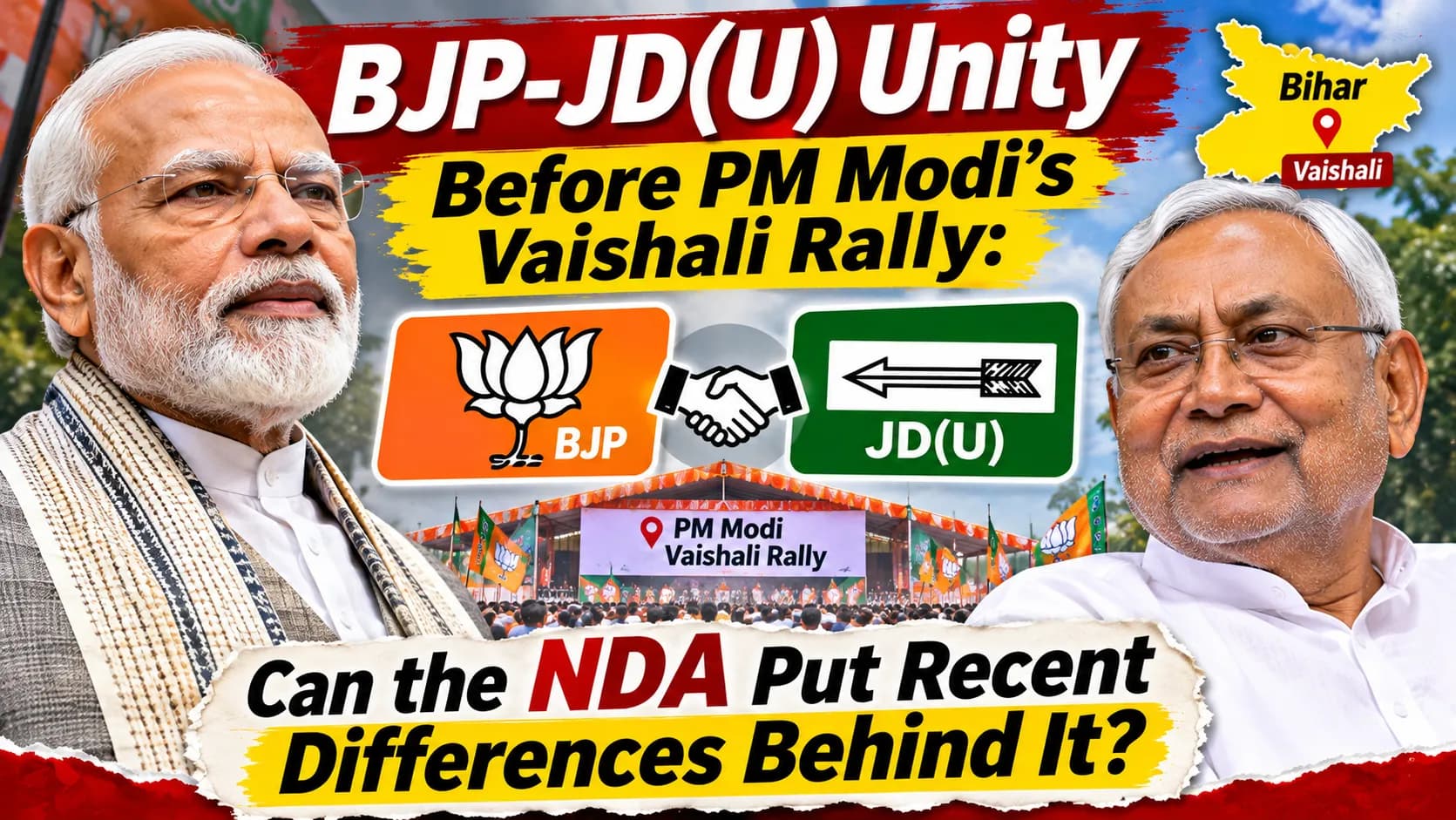
The BJP and Janata Dal (United) are preparing to project a united political front ahead of Prime Minister Narendra Modi's scheduled November 21 public meeting in Vaishali. The event is expected to mark one year of NDA government under BJP leadership in Bihar.
The rally has acquired additional political significance following disagreements between alliance partners after the recent Bihar Legislative Council elections.
Although senior leaders have publicly emphasised coordination, the coming weeks will provide an opportunity to examine how the alliance manages differences while preparing for a major political programme.
Why has the rally become important?
The November 21 programme is more than a public meeting. It is also an occasion for the NDA to present its political message after a year of government.
The alliance is expected to use the event to highlight its leadership, political coordination and priorities for Bihar.
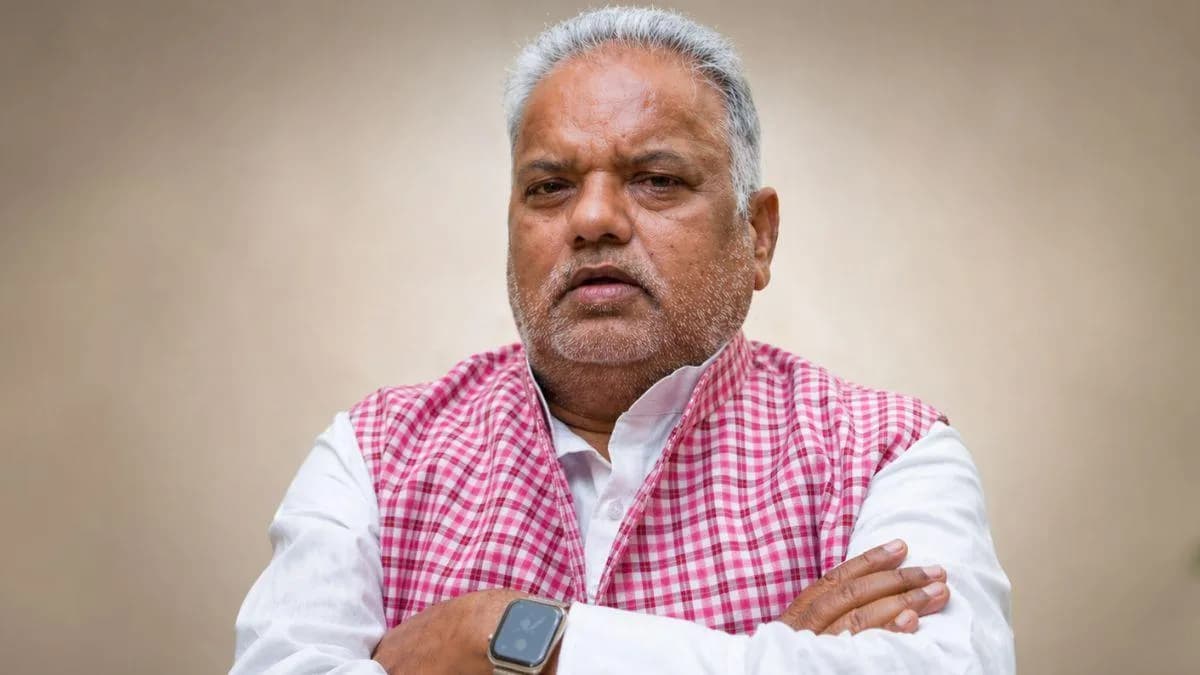
A report published on November 7 said BJP and JD(U) leaders had held discussions aimed at projecting unity before the rally. BJP state president Sanjay Saraogi stated that there were no issues among the five NDA parties.
Such public statements are important, but they should be assessed alongside the actual coordination between alliance partners.
The MLC election background
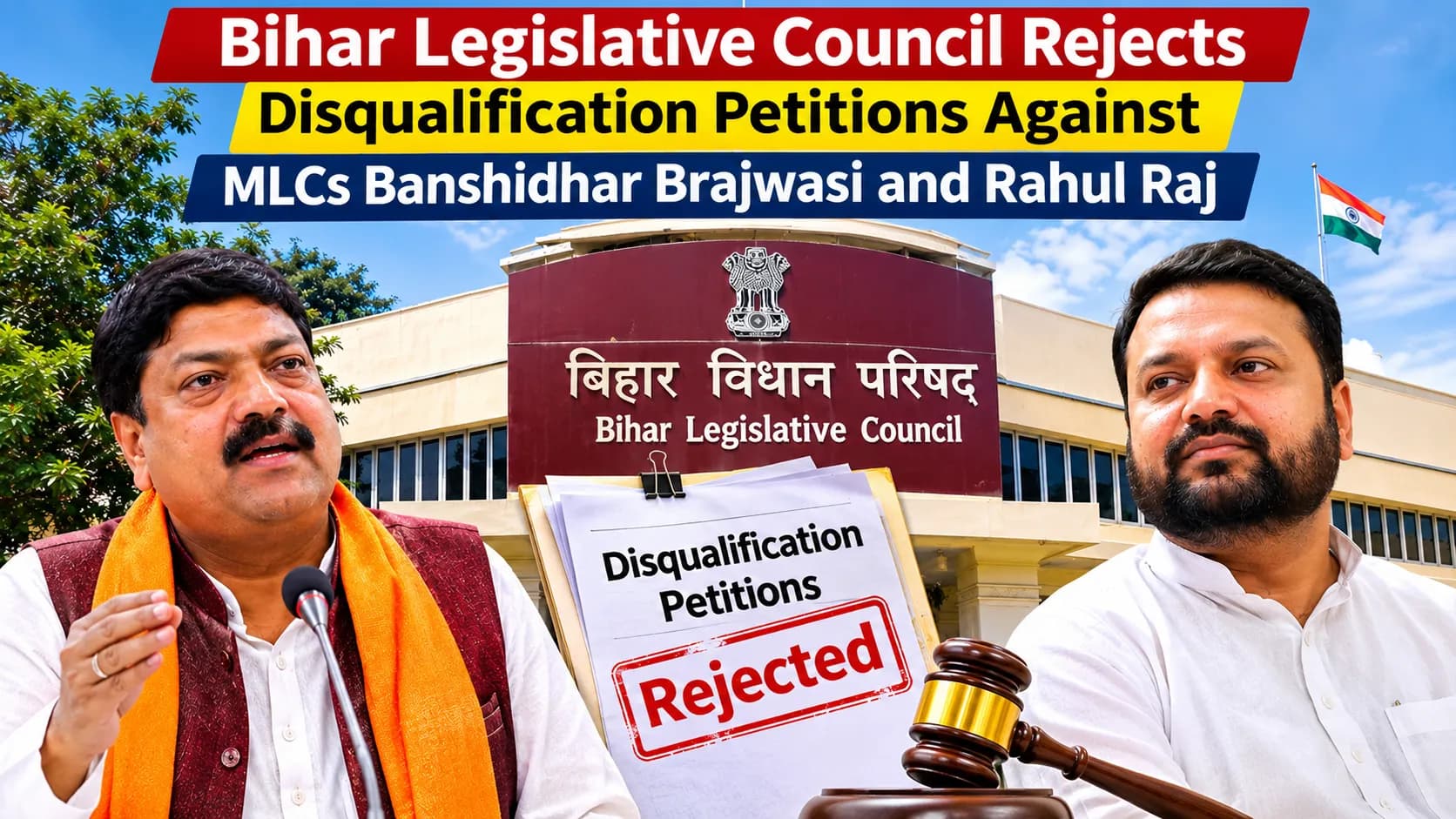
The recent Legislative Council elections created disagreements within the NDA.
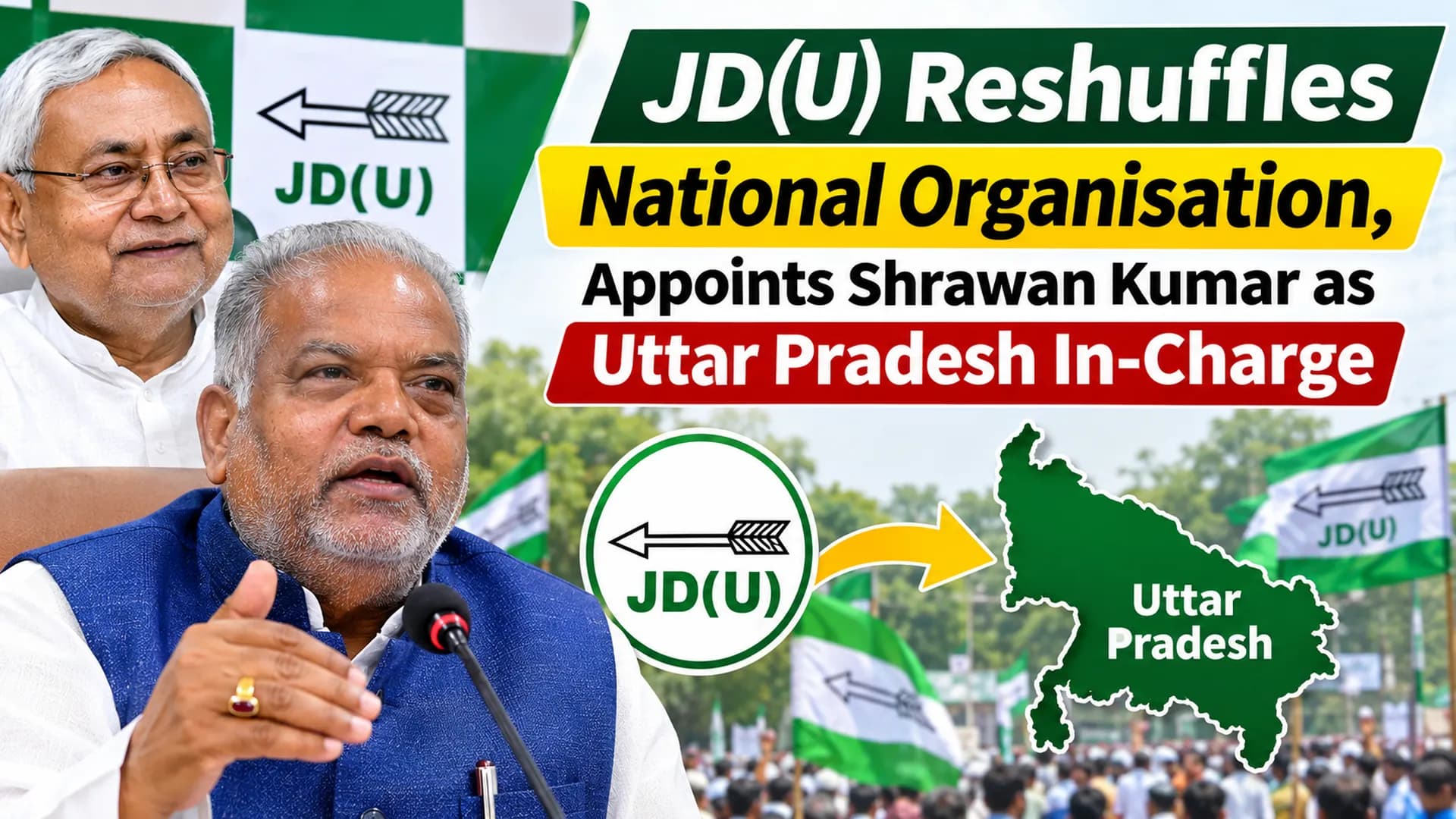
JD(U) leaders expressed concerns about the party's performance and the level of coordination with its BJP ally. The results also produced discussions about internal party organisation and the role of alliance partners in supporting candidates.
These developments created a political challenge for the alliance because both BJP and JD(U) have to coordinate their political activities while maintaining their separate organisational identities.
Why coalition coordination matters
An alliance is not simply a collection of parties appearing together at public meetings.
It requires agreement on candidate selection, campaign arrangements, political communication and coordination between state and national leadership.
Differences can emerge over local political influence, election strategy and the distribution of organisational responsibilities.
For the Bihar NDA, the challenge is to manage these disagreements without allowing them to dominate the alliance's public message.
What message could the Vaishali event send?
A joint public programme involving national and state-level leaders can provide the alliance with an opportunity to communicate a shared political agenda.
The government may use the event to present its work during the first year and announce or highlight future priorities.
However, political announcements should be distinguished from completed projects or implemented policies. The significance of the rally will depend on what is officially announced and the evidence supporting the claims made during the event.
What should observers watch?
The key indicators will include participation by alliance leaders, the coordination of public statements, the issues highlighted during the rally and the extent to which constituent parties maintain a consistent political message.
It will also be important to see whether differences exposed during the MLC elections are addressed through organisational discussions.
The larger political question
The NDA's challenge is to demonstrate that disagreements between coalition partners can be managed through political coordination.
For BJP, the event provides an opportunity to communicate the government's first-year priorities. For JD(U), it is an opportunity to maintain its identity and role within the ruling alliance.
The Vaishali rally will therefore be relevant not only for its public announcements but also for what it reveals about the working relationship between the BJP and JD(U) in Bihar.
Related Keywords
All tagsJoin the discussion