Bihar MLC Membership Row – Council Rejects Disqualification Petitions Against Two Independent Members
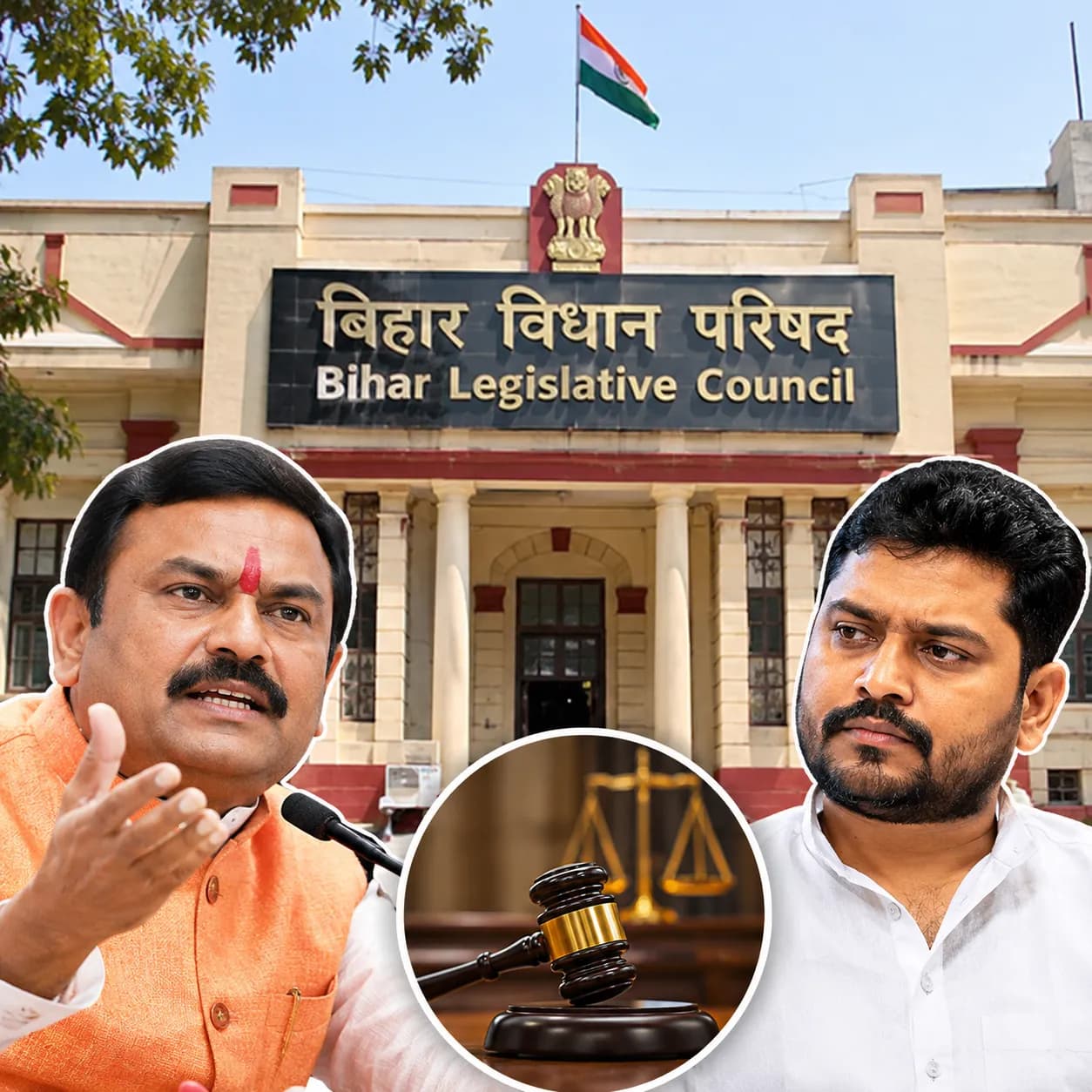
Bihar's political landscape has witnessed another development involving the ruling BJP and opposition parties after the Legislative Council secretariat rejected petitions seeking the disqualification of two independent MLCs, Banshidhar Brajwasi and Rahul Raj.
The petitions were filed amid allegations that the two independent legislators had associated themselves with the Bharatiya Janata Party after winning their respective Legislative Council elections.
The rejection of the petitions has brought immediate relief to both legislators, while the political debate surrounding their association with the BJP continues.
How Did the Political Controversy Begin?
Banshidhar Brajwasi and Rahul Raj were elected from the Tirhut Graduates' and Saran Teachers' constituencies respectively as independent candidates.
Following their victories, photographs emerged showing the two legislators visiting the BJP office in Patna, wearing saffron scarves and holding BJP membership receipts.
These developments triggered questions about whether the two independent legislators had formally joined the BJP.
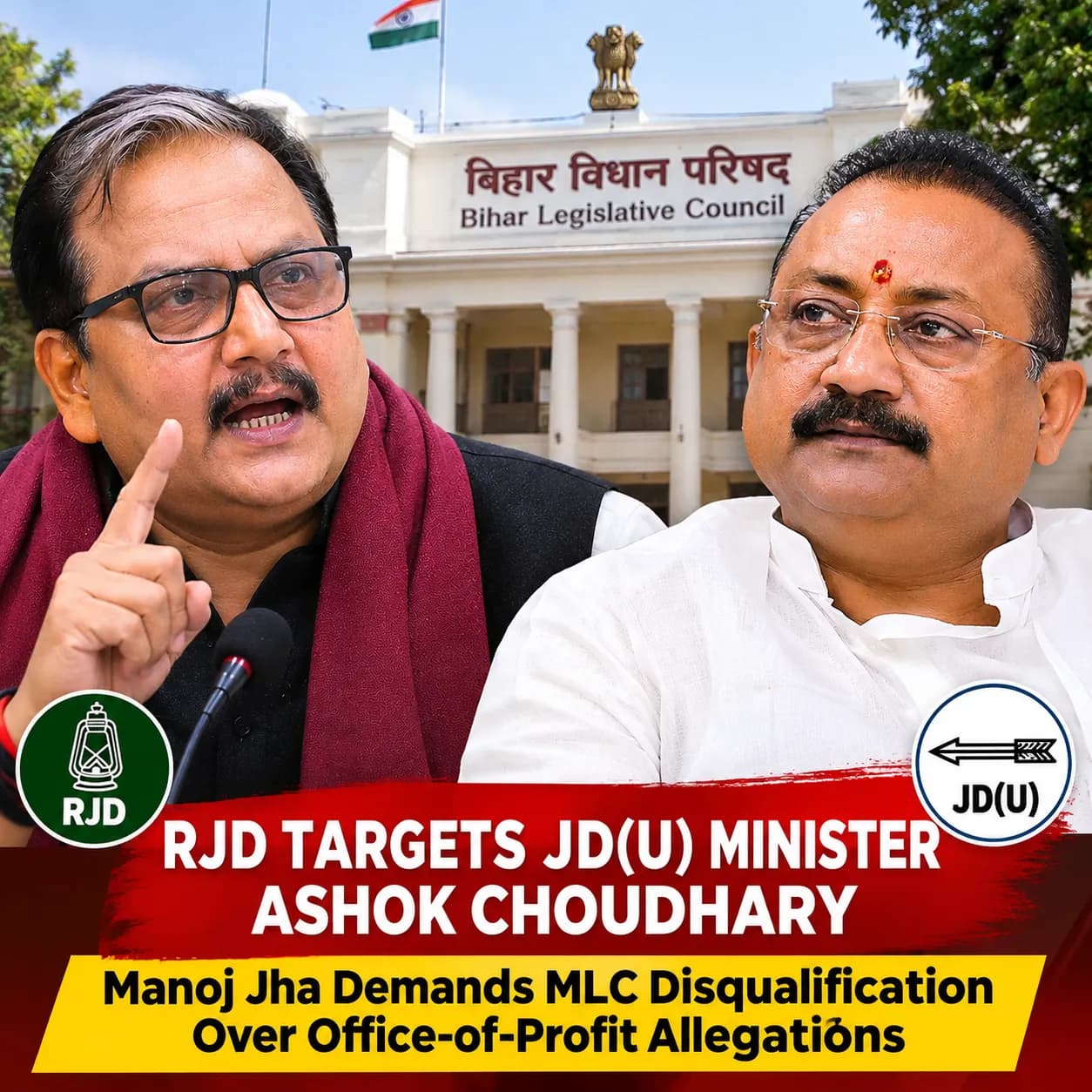
Opposition parties, particularly the Rashtriya Janata Dal (RJD) and Jan Suraaj, raised objections and sought action under the anti-defection provisions of the Constitution.
However, the two legislators and the BJP maintained that they had not formally joined the party and had only extended support to the NDA government.
Why Were the Disqualification Petitions Rejected?
According to reports published on November 18, the Bihar Legislative Council secretariat rejected a total of ten petitions seeking disqualification of the two MLCs.
The petitions were dismissed on legal and procedural grounds.
The objections included:
Some petitions were filed by individuals who were not eligible to initiate disqualification proceedings under the applicable rules.
Certain petitions submitted by RJD members reportedly contained procedural deficiencies.
Issues involving affidavits, verification documents and prescribed formats were also cited.
The petitions were rejected at the preliminary stage because they did not satisfy the required legal and procedural conditions.
RJD and Jan Suraaj's Political Position
The petitions reflected concerns raised by opposition parties over the alleged association of independent legislators with the ruling BJP.
The RJD and Jan Suraaj questioned whether the legislators' actions could attract provisions of the anti-defection law.
Their challenge brought the issue into the political spotlight, particularly because the two members had originally contested and won as independents.
The rejection of their petitions has shifted the immediate focus from the disqualification proceedings to the legal and political questions surrounding their association with the BJP.
What Does the Decision Mean for Bihar Politics?
The development is significant for the political relationship between the ruling NDA and the opposition.
For the BJP and its allies, the decision means that the two MLCs retain their membership following the rejection of the petitions.
For the opposition, the controversy remains relevant because questions about political association and the application of anti-defection provisions continue to attract attention.
The case also highlights the importance of following the prescribed legal procedures when initiating disqualification proceedings.
What Happens Next?
The immediate disqualification petitions have been rejected. However, the broader political debate over the legislators' relationship with the BJP may continue.
Any further legal challenge or fresh proceedings would depend on the applicable rules and subsequent developments.
Conclusion
The rejection of the disqualification petitions against Banshidhar Brajwasi and Rahul Raj marks another important development in Bihar's political affairs. While both MLCs retain their positions, the dispute highlights continuing tensions between the ruling alliance and opposition parties over political affiliations and anti-defection rules.