Bihar MLC Election 2026: BJP Warns Rebel Candidates to Withdraw Nominations
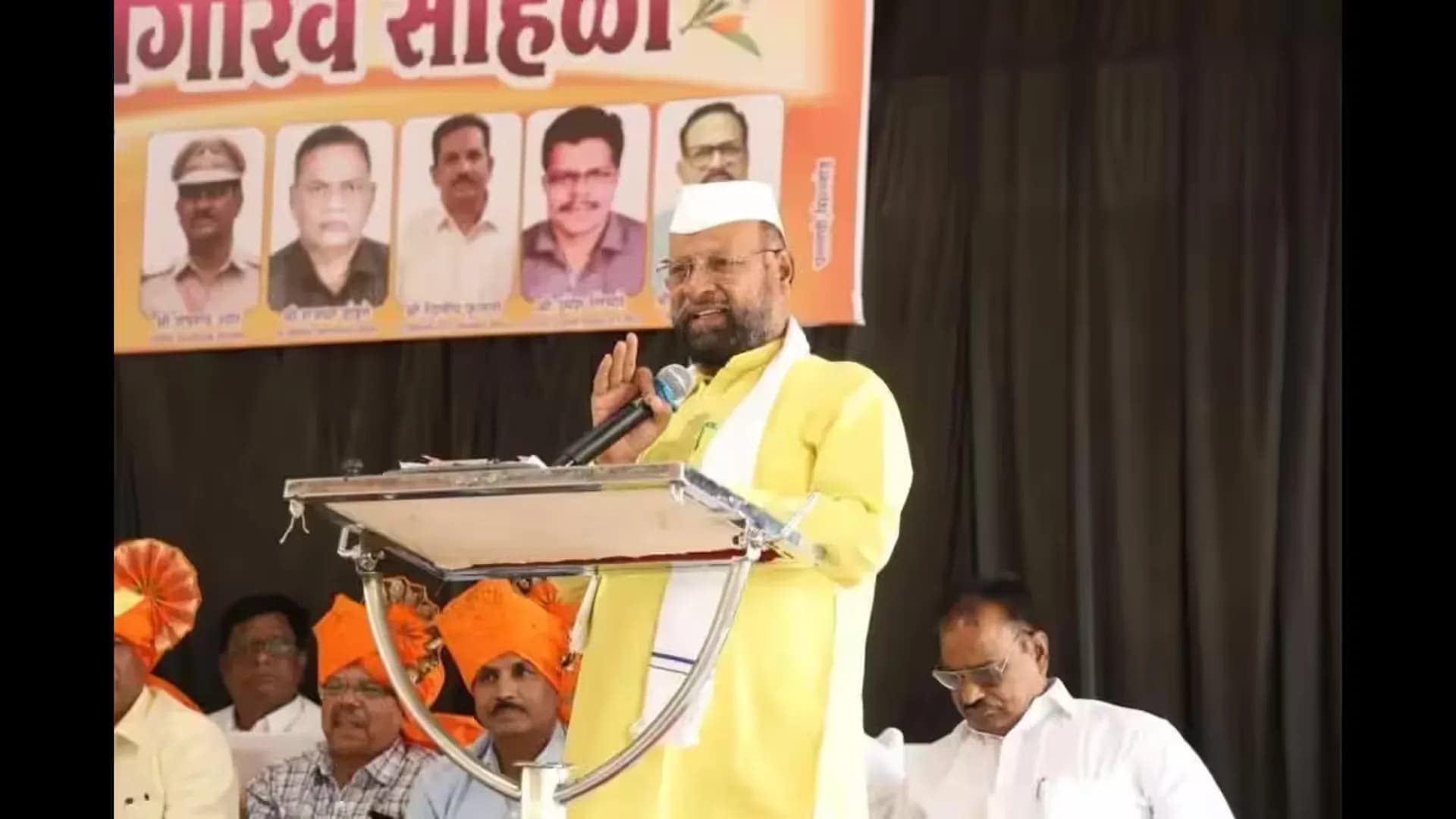
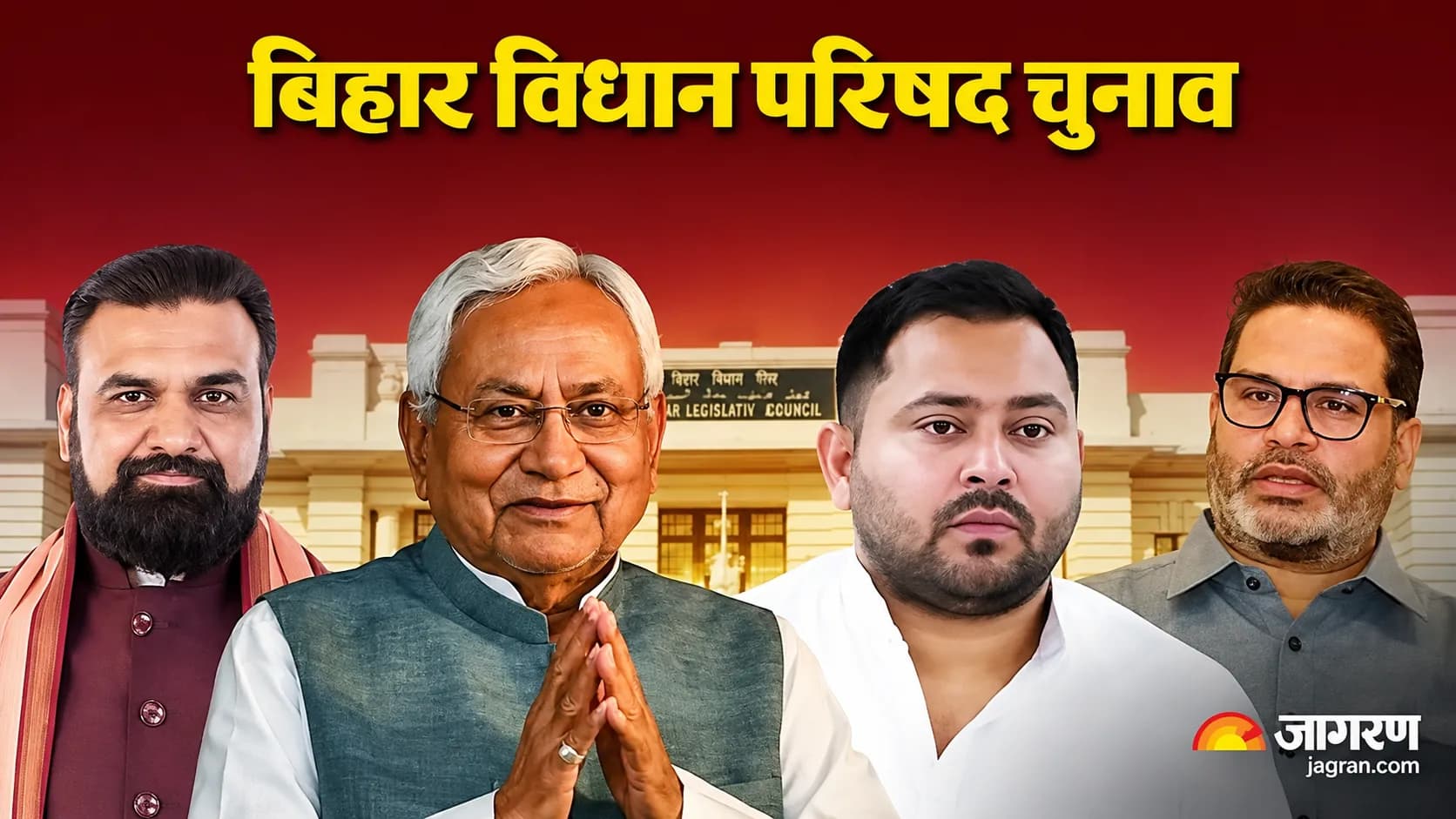
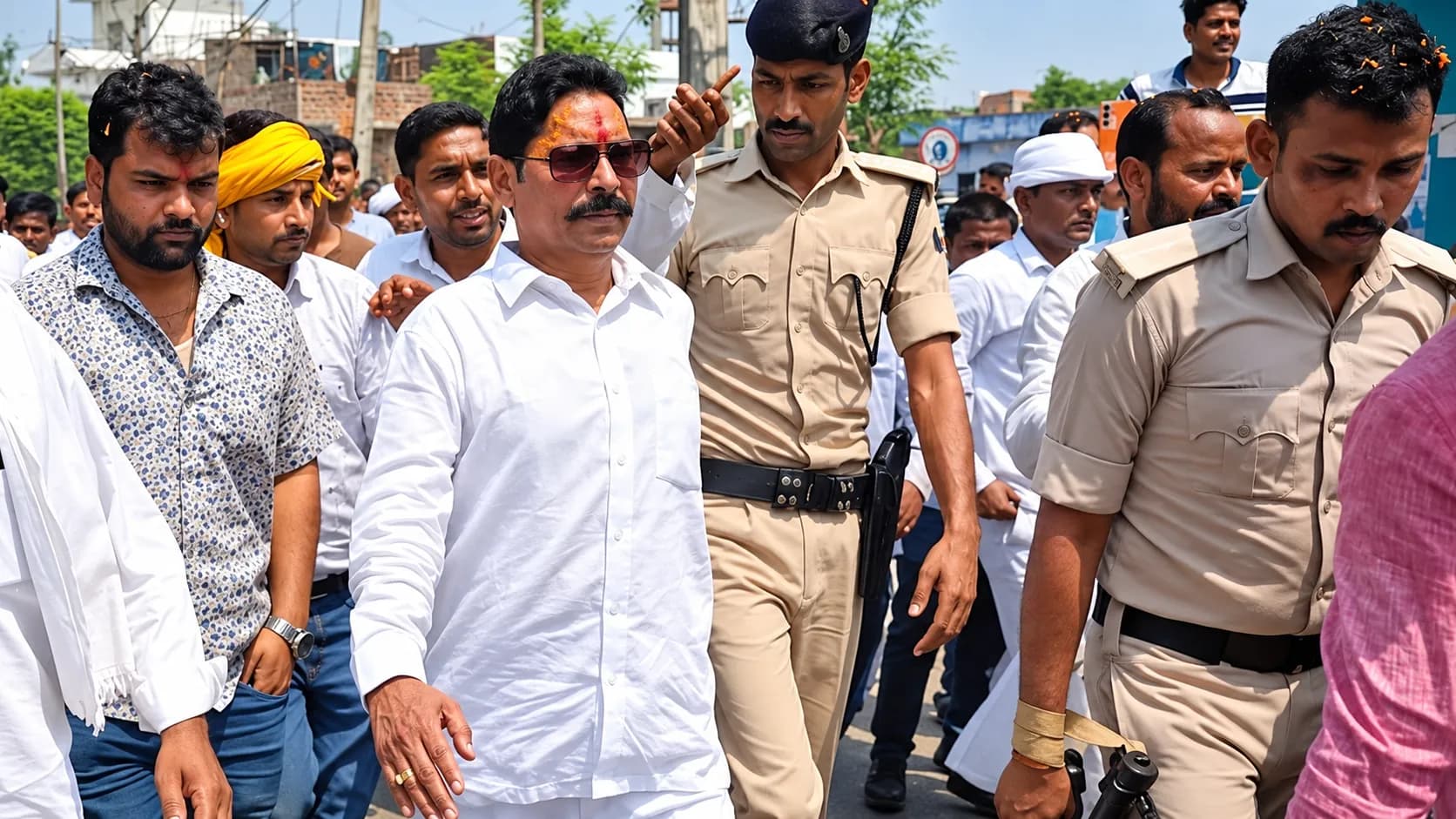
PATNA, October 10, 2026: The Bihar unit of the Bharatiya Janata Party (BJP) has warned party members contesting the Legislative Council elections as independent candidates against the official party line to withdraw their nominations by the announced deadline. The warning has brought attention to internal party discipline, candidate selection and the challenges political organisations face when members decide to contest elections outside the official nomination process.
According to reporting published on October 10, the party warned rebel candidates that failure to withdraw their nominations could result in disciplinary action, including the cancellation of party membership. The development comes amid preparations for the Bihar Legislative Council elections, where candidates from political parties and independent groups are competing for representation.
The dispute illustrates an important aspect of electoral politics: political parties must balance individual ambitions, internal organisational rules and the need to maintain a consistent election strategy. When party members contest against officially nominated candidates, the organisation must decide how to respond while managing the possible effects on its local political networks.
The immediate question is whether the candidates named in the party's warning will withdraw their nominations within the deadline. The wider issue concerns how parties manage disagreements over nominations and enforce their internal rules during an election.
BJP's Warning to Rebel Candidates
The BJP's warning reportedly gave rebel candidates until 4 pm on October 10 to withdraw their nominations. The party indicated that members who continued to contest against its official candidates could face disciplinary consequences.
Such warnings are a recognised part of party organisation during elections. Political parties generally nominate candidates through internal consultation and leadership decisions. Once an official candidate is announced, the organisation expects members to support that candidate rather than enter the contest independently.
When a party member decides to contest against an official nominee, the decision can create competing campaign structures within the same political organisation. Supporters who would otherwise work together may become divided between the official candidate and the rebel.
The BJP's warning signals an attempt to establish a clear distinction between its officially approved candidates and those contesting independently. Whether the warning leads to withdrawals or disciplinary proceedings will depend on the candidates' decisions and the party's subsequent actions.
The final outcome should be assessed through confirmed announcements rather than assumptions about whether the candidates will comply.
Why Rebel Candidates Matter in Legislative Council Elections
Rebel candidacies can affect elections in several ways. They may divide support among candidates with overlapping political networks, create additional competition within a party's local organisation and force leadership teams to spend time resolving internal disputes.
However, the effect varies from constituency to constituency. An independent candidate may attract support because of personal relationships, previous political activity or dissatisfaction with the official nomination decision. Another candidate may struggle to build an effective campaign without the formal resources available to party nominees.
The presence of a rebel candidate does not automatically determine the result. The final outcome depends on the electoral system, the composition of the electorate, candidate support and the conduct of the campaign.
For party leadership, the immediate concern is often organisational coordination. A candidate contesting independently may challenge the authority of the official nomination process and create uncertainty about which candidate local workers should support.
The BJP's response therefore has significance beyond the individuals involved. It demonstrates how party leadership seeks to maintain a distinction between authorised candidacies and independent electoral decisions.
Candidate Selection and Internal Party Discipline
Candidate selection can become contentious when several members seek the same nomination. Parties must decide which candidates to support, often considering organisational experience, local influence, political alliances and the requirements of the election.
Not every aspirant can receive a nomination. Members who do not secure the party ticket may choose to support the official candidate, remain politically inactive during the contest or run independently.
The last option creates a direct organisational challenge. Party leadership may view an independent candidacy against the official nominee as a violation of internal discipline. The candidate, however, may believe that an independent campaign provides an opportunity to seek electoral support without the party nomination.
These competing positions cannot be resolved simply by examining the candidates' public statements. A fair assessment requires identifying the official nominations, the party rules that apply and any disciplinary decisions announced by the organisation.
In the present case, the reported warning establishes that the BJP has communicated a deadline and threatened disciplinary consequences. It does not, by itself, establish that the threatened action has already been carried out.
Any later report should therefore distinguish between the warning, a candidate's response, an actual withdrawal and a confirmed disciplinary decision.
Possible Implications for the Bihar MLC Contest
The immediate electoral significance of rebel candidacies depends on the number of affected constituencies and the extent of competition between official and independent candidates.
If a rebel withdraws, the official candidate may face a different competitive field than if the independent campaign continues. If multiple candidates remain in the contest, parties may need to adjust their local campaign arrangements and communications with voters or electors.
However, the available reporting does not establish the eventual outcome of every threatened withdrawal. It would therefore be premature to claim that the dispute has already changed the election result or determined which candidates will win.
The appropriate next step is to monitor official nomination records, withdrawals and subsequent party announcements. These records will help establish which candidates remain in the contest and whether the party's warning leads to formal action.
The episode also raises broader questions about how political organisations handle internal disagreement. Strong organisational rules may help parties coordinate their campaigns, while unresolved nomination disputes can create tensions among members who compete for influence.
The balance between individual political ambition and organisational discipline remains a recurring issue during elections.
What to Watch Next
Three developments will clarify the significance of the BJP's warning.
First, whether the candidates withdraw their nominations within the announced deadline. A withdrawal would alter the list of contestants, while a decision to remain in the race could lead to further action by the party.
Second, whether the BJP issues an official statement identifying the candidates and the disciplinary rules being applied. Such information would allow the dispute to be reported more precisely.
Third, whether the episode affects local campaign coordination. Statements from party representatives and official election records may help establish whether the dispute has consequences beyond the initial warning.
Related Keywords
Join the discussion