Bihar Launches Month-Long Anti-Drug Campaign: CM Samrat Choudhary Gives Police Free Hand
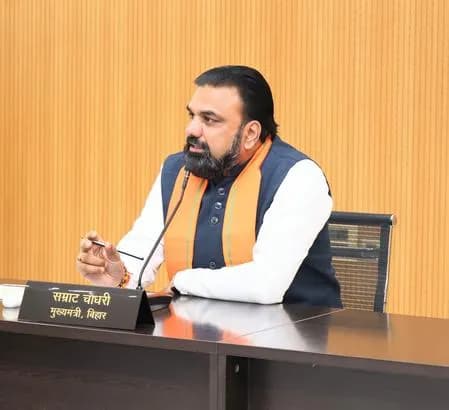
Patna, October 29, 2026: The Bihar government has launched a month-long anti-drug campaign, Nashamukt Bihar Abhiyan, from October 27 to November 26, 2026. The initiative aims to strengthen action against drug trafficking, raise public awareness about substance abuse and improve access to de-addiction support.
Chief Minister Samrat Choudhary has directed police officials to take stronger action against drug suppliers and dismantle trafficking networks. The campaign comes amid growing concerns about narcotics seizures and drug-related cases across the state.
According to a report by The Indian Express, the initiative combines law-enforcement measures with awareness programmes and community participation.
Why Has Bihar Launched the Campaign?
The campaign follows reports of an increase in drug-related cases and narcotics seizures in Bihar. Police data cited by The Indian Express recorded 1,905 cases under the Narcotic Drugs and Psychotropic Substances (NDPS) Act between January and May 2026. This was 83 more cases than the total recorded during the whole of 2022.
The reported figures have increased concerns about the availability of narcotics, their impact on young people and the need for stronger prevention and treatment services.
The government’s campaign seeks to address drug trafficking while encouraging communities to recognise the risks of substance abuse and seek appropriate support.
Samrat Choudhary Directs Stronger Police Action
Chief Minister Samrat Choudhary has given police leadership broad authority to act against drug suppliers and trafficking networks, according to The Indian Express.
The enforcement component focuses on identifying suppliers, disrupting organised distribution networks and strengthening coordination among the relevant authorities.
The campaign also reflects the state government's effort to address narcotics trafficking alongside its existing prohibition policy.
Public Awareness and Community Participation
The Nashamukt Bihar Abhiyan is not limited to police enforcement. It also includes public-awareness activities intended to reach residents in urban and rural areas.
According to the report, planned activities include awareness vehicles, street plays, village meetings, panchayat-level programmes and outreach initiatives in cities.
Students, the Brahma Kumaris organisation and the Jeevika network are among the groups expected to contribute to awareness efforts.
Community involvement is important because families, educational institutions and local organisations can help people recognise the effects of substance abuse and connect those who need help with support services.
De-Addiction Support and Helpline Initiatives
The campaign also includes digital and telephone-based support measures. The reported initiatives include a WhatsApp chatbot and a helpline intended to help people access information about de-addiction.
These services are intended to complement enforcement and public education by making support information more accessible.
People experiencing substance-use problems, and their families, may need medical assessment, counselling and appropriate treatment. Awareness efforts can help reduce stigma and encourage people to seek assistance.
Districts Under Focus
The report identifies eight districts for targeted attention, including areas near state borders. Patna, Vaishali, Samastipur and Ara are among the places specifically highlighted.
Targeted outreach and enforcement can help authorities focus resources in areas where drug trafficking and related concerns have been reported.
The precise impact of the campaign will depend on implementation, coordination among agencies and the availability of effective treatment and rehabilitation services.
The Wider Challenge of Drug Abuse in Bihar
Bihar has maintained a prohibition policy since 2016. However, recent reporting has highlighted concerns about the spread of other intoxicating substances and the pressure on enforcement and treatment services.
The rise in NDPS cases reported for the first five months of 2026 illustrates the scale of the challenge facing authorities. The figures do not, by themselves, establish the full extent of drug use across the population, but they show why enforcement agencies and public-health services are drawing attention to the issue.
Addressing substance abuse requires more than action against suppliers. Prevention, early intervention, counselling, treatment, rehabilitation and community support are also important parts of a sustained response.
What Happens Next?
The Nashamukt Bihar Abhiyan is scheduled to run until November 26, 2026. During this period, police action and public-awareness activities are expected to operate alongside outreach and de-addiction support initiatives.
The campaign's progress will be assessed through its implementation and the results reported by the relevant authorities. Sustained coordination between law enforcement, healthcare services, educational institutions and local communities will be important to its longer-term impact.
Conclusion
Bihar's month-long Nashamukt Bihar Abhiyan combines stronger action against drug trafficking with public education, community participation and de-addiction support. Chief Minister Samrat Choudhary has called for intensified enforcement, while the campaign also seeks to reach families, students and communities throughout the state.
The initiative places both law enforcement and public awareness at the centre of Bihar's response to substance abuse. Its longer-term effectiveness will depend on implementation, access to treatment and continued cooperation among government agencies and communities.
Related Keywords
Join the discussion