Bihar CM Samrat Choudhary Raises Ganga Water Demand, Says State's Needs Must Come First
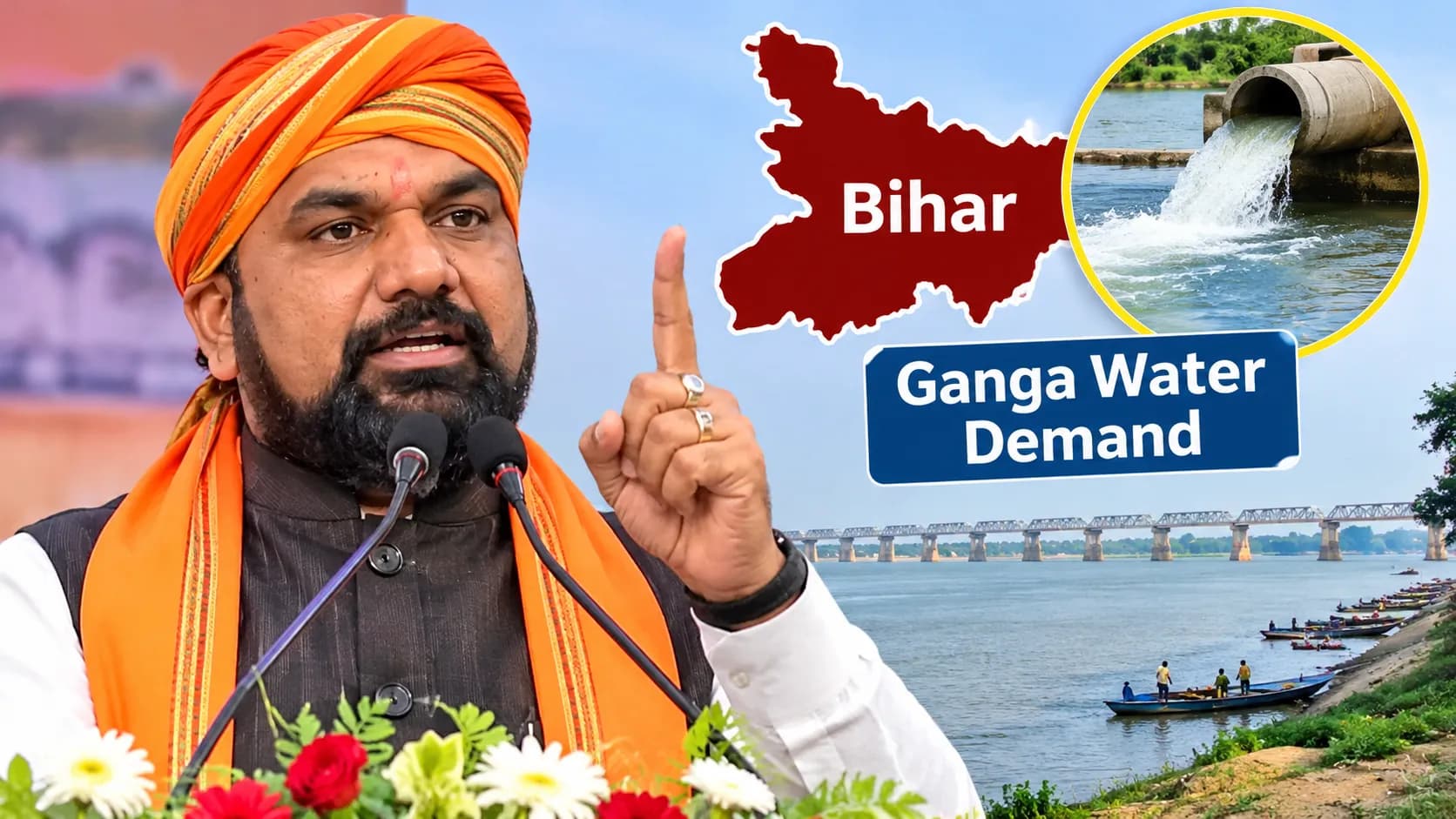
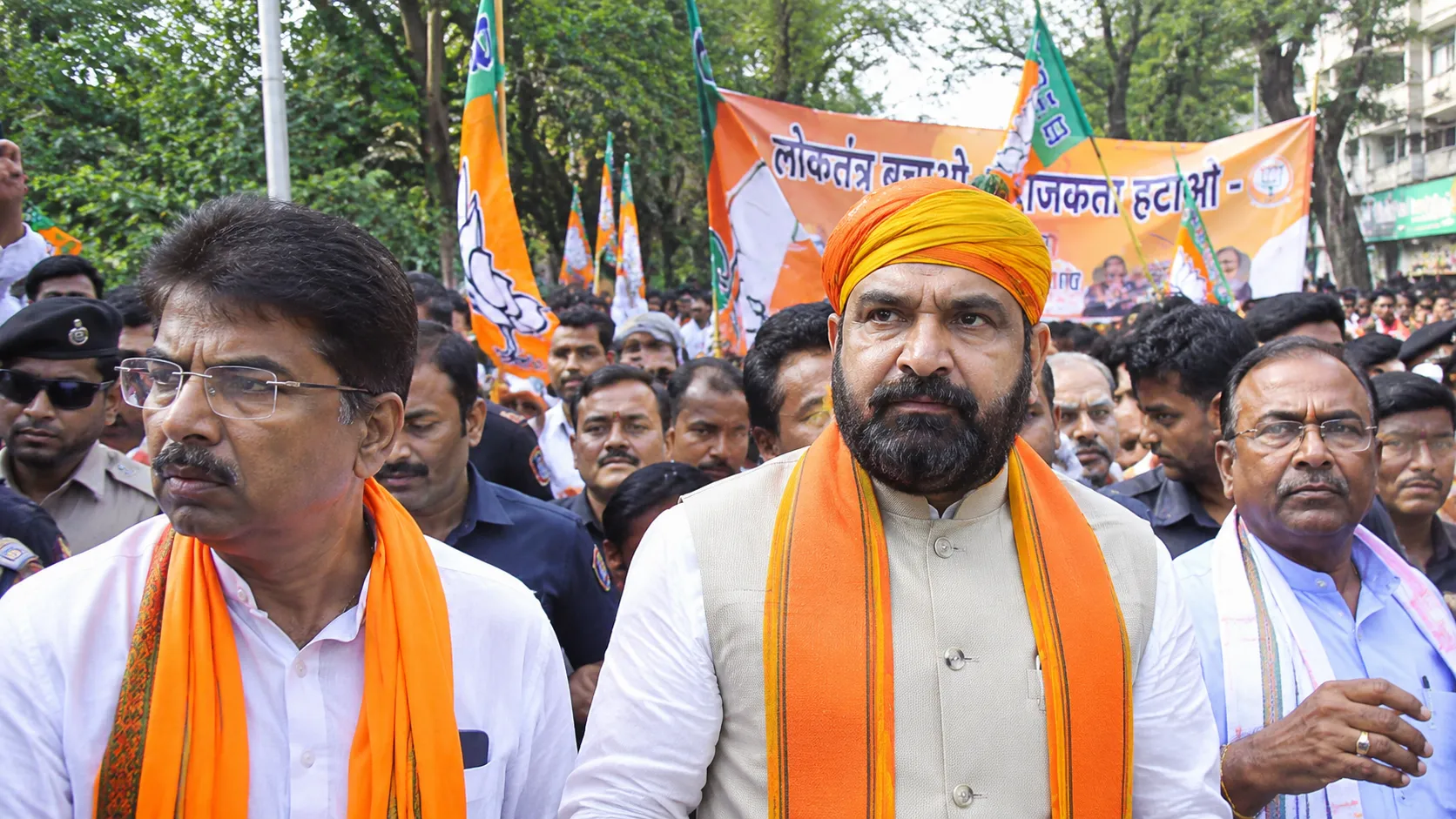
Bihar Chief Minister Samrat Choudhary has raised the state's demand for a fair share of Ganga water in discussions about the Ganga water-sharing arrangement and the Farakka agreement.
Speaking at a seminar in Patna on October 30, Choudhary said Bihar needed sufficient water for drinking, farming and industrial activities. He said the state's interests should receive priority when decisions are taken about the use and sharing of Ganga water.
Why Is Bihar Raising This Issue?
The Ganga is an important river for Bihar. It supports agriculture, provides water for different uses and plays a major role in the state's river system.
The state government has raised concerns about water availability and river management, particularly during periods when water levels and river flow become important for farming and other needs.
The Farakka agreement is connected with the sharing of Ganga water between India and Bangladesh. Bihar wants its own water requirements to receive attention in discussions about the agreement.
What Did Samrat Choudhary Say?
Choudhary said Bihar needs sufficient water for drinking, irrigation and industries.
He also said that the state's rivers should be treated as valuable resources rather than as problems.
The Chief Minister referred to the long-running dispute between Bihar and Jharkhand over the sharing of Sone river water. He said the dispute had been resolved with the help of Union Home Minister Amit Shah and that Bihar would receive 75 per cent of the water under the arrangement.
This statement reflects the state government's account of the agreement. The details of the arrangement should be checked against official documents before treating it as a completed legal settlement.
The Political Importance of Water Sharing
Water sharing is not only an administrative issue. It can also become an important political subject because decisions affect farmers, industries and people who depend on rivers.
State governments often raise their concerns with the Centre when agreements or river-management decisions affect their requirements.
Bihar's demand is connected with the wider discussion on the Farakka arrangement and the future management of Ganga water.
The issue also requires coordination between the central government, state governments and neighbouring countries where international river agreements are involved.
What About Flood Management?
Choudhary also spoke about the need to strengthen embankments along the Ganga and improve scientific river management.
He suggested that experts should study the river's flow patterns and silt accumulation through an aerial survey.
The Chief Minister also discussed the state's plans for better use of river silt and said that scientific management could support infrastructure work.
These points were part of his address at the seminar and represent the state government's proposed approach.
What Happens Next?
The next important step will be further discussions between Bihar and the Centre on the state's water requirements.
Any change to an international water-sharing agreement would require the appropriate government-level process and discussions with the concerned parties.
For Bihar, the main demand is that drinking water, irrigation and other state requirements should be considered before decisions are taken.
The issue is important for the state's political relationship with the Centre and for the wider debate about the fair use of river resources.
Related Keywords
Join the discussion