Bihar MLC Election 2026: Counting Begins for Eight Seats as Samrat Choudhary, Tejashwi Yadav and Prashant Kishor Face Political Test
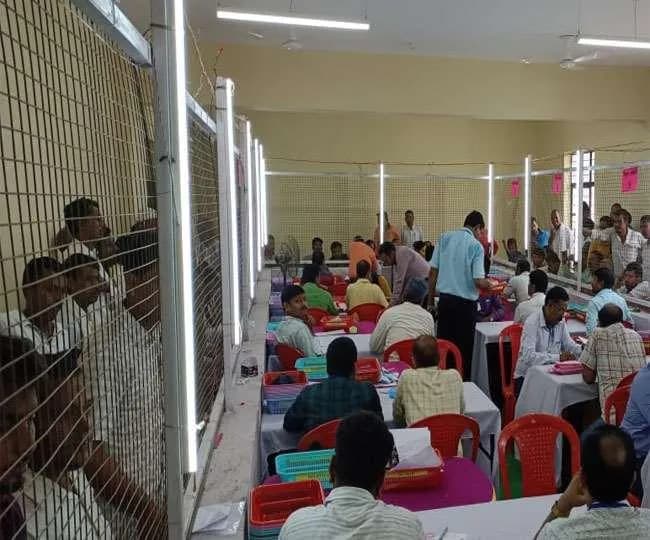
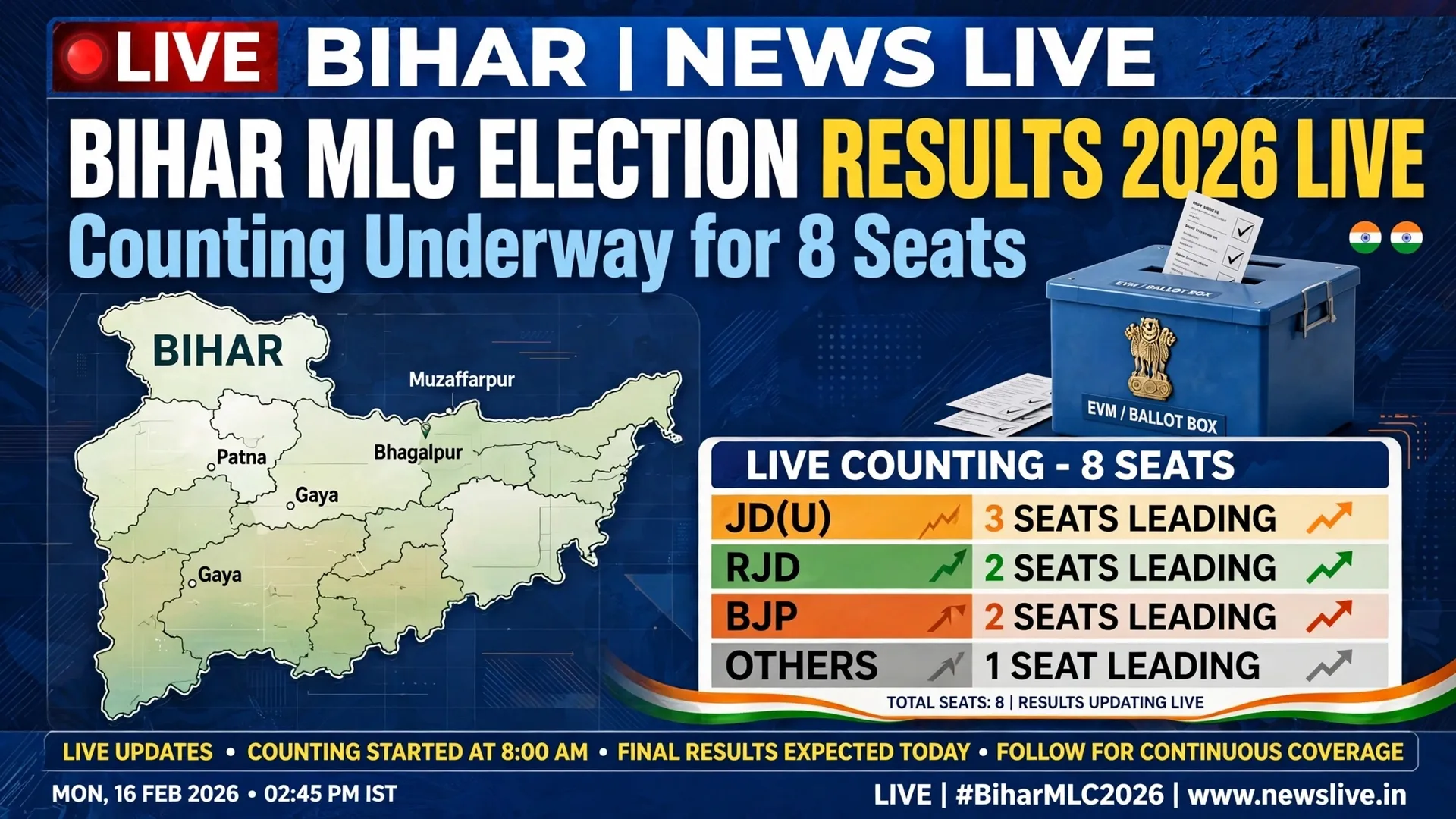
Patna, October 27, 2026: The counting of votes for eight seats in the Bihar Legislative Council is scheduled to take place on Tuesday, October 27, in a contest that has drawn attention to the political strategies of the ruling National Democratic Alliance (NDA), the opposition Rashtriya Janata Dal (RJD) and Prashant Kishor’s Jan Suraaj Party.
Polling for the eight seats was held on October 23 amid security arrangements across the state. The election covers four graduates’ constituencies and four teachers’ constituencies, with 150 candidates contesting. The results are expected to provide an indication of how the competing parties have performed among these specialised electorates.
Eight Seats Across Graduates’ and Teachers’ Constituencies
The four graduates’ constituencies are Patna, Darbhanga, Kosi and Tirhut. The four teachers’ constituencies are Patna, Darbhanga, Tirhut and Saran.
The election is being conducted through separate constituencies for registered graduates and teachers. The counting process will determine which candidates secure the seats and how the parties fare in these electorates.
According to reports published ahead of counting, the Election Commission designated eight counting centres across several district headquarters. Security arrangements were made at the centres to oversee the counting process.
Samrat Choudhary and the NDA’s Performance
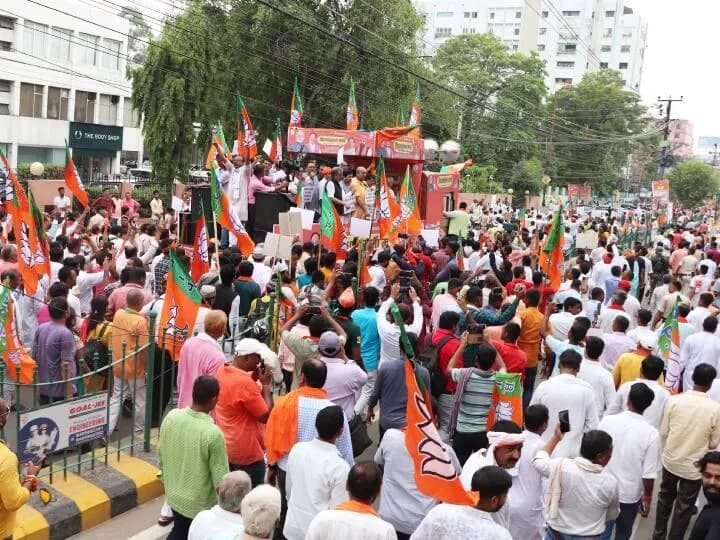
The results are being watched closely by the NDA, which includes the Bharatiya Janata Party (BJP) and Janata Dal (United), or JD(U). For Bihar Chief Minister Samrat Choudhary and the ruling alliance, the results will provide a measure of the candidates’ performance in the graduates’ and teachers’ constituencies.
The BJP and JD(U) have fielded candidates across the constituencies. However, local rivalries and differences among political figures have added another dimension to the contest.
One closely watched dispute involves Mokama MLA Anant Singh, who publicly backed Jan Suraaj candidate Anuj Singh against JD(U) nominee Neeraj Kumar in the Patna Graduates’ constituency. The disagreement has highlighted tensions within the ruling alliance’s wider political network.
The results will show whether the NDA’s candidates can convert their party support into victories across the eight constituencies.
Tejashwi Yadav and the Opposition’s Challenge
For RJD leader Tejashwi Yadav and the opposition, the election offers an opportunity to assess their support among graduates and teachers.
The opposition parties have not fielded common candidates in every constituency. In Patna Graduates, for example, the RJD and Congress have contested with separate nominees. Such contests can complicate coordination between parties that otherwise oppose the NDA.
The vote count will therefore be important not only for individual candidates but also for understanding how opposition parties perform when they compete separately in the same electoral space.
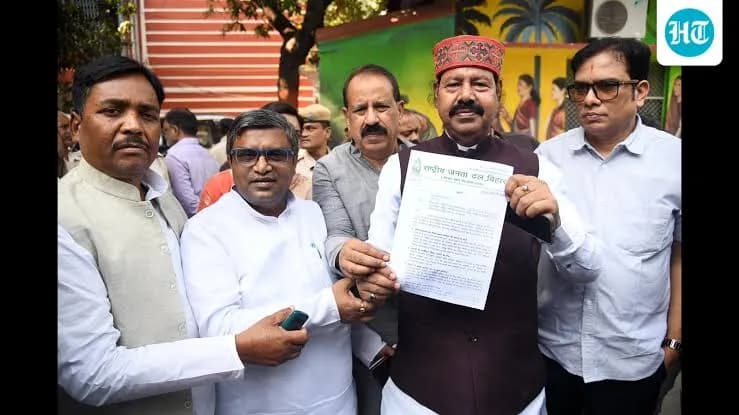
Ahead of counting, RJD Rajya Sabha MP Sanjay Yadav wrote to the Election Commission of India requesting transparent procedures for examining disputed ballot papers and addressing objections during counting. An RJD delegation also raised concerns with Bihar’s Chief Electoral Officer. These were requests for procedural safeguards; they do not by themselves establish that irregularities occurred.
Prashant Kishor’s Jan Suraaj Enters All Eight Contests
Jan Suraaj, founded by Prashant Kishor, has fielded candidates in all eight constituencies. The party is seeking to build its presence in Bihar’s electoral politics beyond its public outreach and campaign activities.
Its participation gives voters an additional option in each constituency and places its candidates in direct contests with nominees from established political parties.
The Patna Graduates’ seat has attracted particular attention because of Anant Singh’s support for Jan Suraaj candidate Anuj Singh over JD(U)’s Neeraj Kumar. The result will clarify how the candidates have performed in this constituency, although one election alone cannot determine the party’s wider political prospects.
What the Results Could Mean
The eight-seat contest is a limited election involving graduates’ and teachers’ constituencies rather than a statewide popular vote. Its results should therefore be interpreted within that context.
The outcome will determine the successful candidates and provide parties with information about their support among these electorates. It may also prompt discussions about alliance coordination, candidate selection and the opposition’s approach to future contests.
For the NDA, RJD and Jan Suraaj, the immediate priority is the performance of their candidates. The results will offer a clearer picture of the political balance in these particular constituencies once the counting process is completed.
Conclusion
The Bihar MLC election counting on October 27 is an important political event for the state’s major parties. With eight seats, 150 candidates and competition across graduates’ and teachers’ constituencies, the results will shape the composition of the Legislative Council in the seats being contested.
The outcome will also provide a useful measure of party performance in these electorates, while the broader political implications will depend on the results and developments in subsequent contests.