Video Campaign Creation • Voter Turnout Management • Political Campaign Management • Political Social Media & Digital Marketing • Live Streaming • Audio Campaign Creation • Facebook Marketing • Website • GST • IT • Software • Tax Consultant • Advertisement • Digital Marketing
Nalanda is a historic district of Bihar, renowned for the ancient Nalanda Mahavihara, a celebrated centre of learning. With its headquarters at Bihar Sharif, the district is known for Buddhist heritage, Rajgir's cultural attractions, agriculture and historical significance.
Nalanda is one of Bihar's historically significant districts, known internationally for its ancient educational heritage, Buddhist connections and archaeological sites. The district headquarters is Bihar Sharif, and the district forms part of Patna Division. Its identity combines ancient learning, religious heritage, agriculture, tourism and modern administration.
History and Heritage
Nalanda is closely associated with Nalanda Mahavihara, one of the most celebrated ancient centres of higher learning in the Indian subcontinent. The historic institution attracted scholars and students from different parts of Asia and became renowned for Buddhist philosophy, logic, medicine, grammar and other fields of knowledge.
The archaeological remains of ancient Nalanda provide important evidence of India's educational and intellectual history. The site's international significance has made it a major destination for historians, researchers, students and tourists.
Geography and Administration
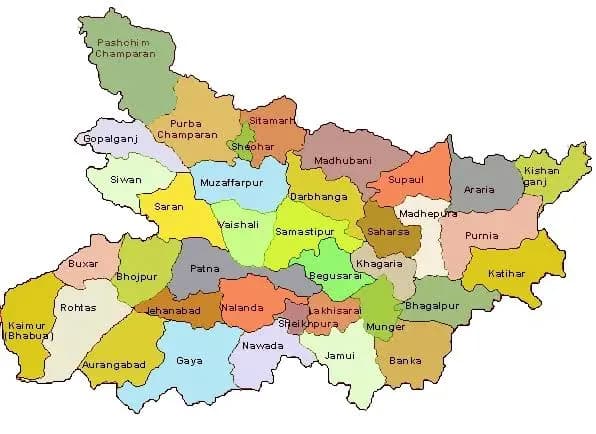
Nalanda district is located in southern Bihar and covers approximately 2,355 square kilometres according to the district administration's demographic information. Bihar Sharif serves as the district headquarters.
The district has three subdivisions: Bihar Sharif, Rajgir and Hilsa. Its administrative structure includes 20 community development blocks, which support local governance, public services and rural development.
Population and Demographics
According to the Census of India 2011 district census handbook, Nalanda district had a population of 2,877,653. The district includes urban centres, smaller towns and rural settlements. Hindi and Magahi are among the languages commonly spoken in the region.
The district's population is engaged in a variety of activities, including agriculture, trade, public services, small businesses, tourism and education.
Economy and Agriculture
Agriculture is an important source of livelihood in Nalanda. Paddy, wheat, potatoes, onions and other seasonal crops contribute to the district's agricultural economy. Farming and associated trading activities support numerous rural households.
Small businesses, retail markets, handloom-related activities, transport and tourism also contribute to the local economy. The district's historical attractions provide opportunities for hospitality, transport services, handicrafts and other tourism-related enterprises.
Political Significance
Nalanda has an important place in Bihar's political and electoral landscape. The district includes the Nalanda Lok Sabha constituency and seven Bihar Legislative Assembly constituencies.
The Assembly constituencies are Asthawan, Bihar Sharif, Rajgir (Scheduled Caste reserved), Islampur, Hilsa, Nalanda and Harnaut. These constituencies represent the district's urban and rural communities in the Bihar Legislative Assembly.
Election campaigns and local political discussions frequently involve agricultural development, employment, education, roads, healthcare, tourism and public services. Constituency-level representation provides a channel for residents to raise their concerns through elected representatives.
Tourism and Cultural Attractions
Nalanda is one of Bihar's prominent heritage destinations. The ancient Nalanda Mahavihara archaeological complex is its best-known landmark and attracts visitors interested in Buddhist history and ancient education.
Rajgir is another major attraction, known for its hills, religious significance and historical associations. Important sites in the district include the Nalanda Archaeological Museum, Hiuen Tsang Memorial Hall, Vishwa Shanti Stupa, Griddhakuta Hill, Venuvana and Pawapuri's Jal Mandir.
These destinations connect Nalanda with the wider Buddhist pilgrimage circuit and contribute to the district's cultural and tourism economy.
Education and Learning
Nalanda's educational legacy is closely linked to its ancient university, which became an influential centre of learning and scholarship. The historic ruins remain an important symbol of India's intellectual heritage.
The district also has modern educational institutions serving students from surrounding communities. Education continues to be an important factor in the district's social and economic development.
Transport and Connectivity
Nalanda is connected to other parts of Bihar through road and rail networks. Bihar Sharif and Rajgir serve as important centres for local transportation and access to historical attractions. Connectivity supports agriculture, trade, education, tourism and access to public services.
Development and Public Priorities
Important development priorities include agricultural productivity, irrigation, rural roads, education, healthcare, employment opportunities, tourism infrastructure and the preservation of historical sites.
Sustainable tourism can create local employment while helping protect archaeological remains and religious heritage. Improvements in public infrastructure and essential services remain important for communities across the district.
Nalanda District Today
Nalanda represents a distinctive combination of ancient scholarship, religious heritage, agriculture and contemporary development. From the archaeological remains of Nalanda Mahavihara to the cultural attractions of Rajgir and the administrative centre at Bihar Sharif, the district remains an important part of Bihar's historical and modern identity.
Contact Us
We're here to listen
Reach our editorial and support team for questions, feedback, corrections, story ideas and collaboration opportunities.